Wondering how to boost your elementary schooler's memory? Discover effective memory training methods through play and daily habits to enhance your child's learning abilities. Uncover secrets to fostering a child who learns joyfully and grows independently.

Is Your Elementary Schooler Struggling with Learning? You're Not Alone!
As parents of elementary school children, it's common to worry about our kids' academic progress. Perhaps you've noticed your child forgetting what they learned in class, or struggling to stay focused during homework time. In today's information-rich world, it's crucial for children to develop a genuine interest in learning and to effectively retain knowledge. Many parents are seeking effective memory training methods for elementary school students. The goal isn't just rote memorization but fostering memory skills in a fun, age-appropriate way that aligns with their developmental stage.If children are facing difficulties in their learning journey, certain signs might become apparent. For instance, they might quickly forget content they've read, or find it hard to recall multiple instructions at once. Also, while they might fully immerse themselves in their favorite games or activities, they might quickly lose interest or become distracted during schoolwork. When parents observe these patterns, it's vital to provide appropriate support and intervention to help their child rediscover the joy of learning.

Factors Impeding a Child's Learning Potential
A child's struggle with learning can stem from a complex interplay of various factors. One common culprit is inefficient learning strategies. Over-reliance on rote memorization or a monotonous learning environment that fails to spark curiosity can bore a child's brain, hindering its ability to store information. Furthermore, excessive exposure to digital devices can be a major cause of scattered attention. Children accustomed to visually stimulating content and instant gratification often find it difficult to engage deeply with text-based learning. These environmental influences can significantly impede a child's ability to develop effective memory training methods.Today's children grow up surrounded by a myriad of digital devices. Smartphones, tablets, and video games can capture their attention and deliver information at a rapid pace. However, this constant stimulation can also diminish their capacity for sustained focus on a single task. Such devices continuously offer new distractions, potentially hindering a child's training in independent thinking, information processing, and recall. Therefore, setting appropriate limits on screen time and creating an optimal learning environment are essential for a child's effective learning and the development of their elementary student memory.
※ This post contains affiliate links. I may earn a commission at no extra cost to you.

Practical Strategies to Boost Memory and Learning in Elementary Children
To effectively enhance a child's memory, it's crucial to integrate a variety of approaches. Moving beyond simple desk-bound memorization, we should encourage diverse memory training methods that children can actively and joyfully participate in. Brain Activation Through Play: Games like memory card matching effectively stimulate visual recall and improve concentration. Activities such as memorizing short lists of numbers or words, or strategic games like chess and puzzles, develop problem-solving skills and memory simultaneously.
Visual Association and Mind Mapping: When learning new information, try using association techniques that link it to related images or stories. For example, drawing a funny picture for a difficult word or creating a mind map to visually organize central concepts with branching ideas can make information more memorable.
The Power of Repetition and Spaced Review: Consistent repetition of learned material is fundamental for long-term memory formation. Instead of trying to cram everything at once, utilize spaced repetition—reviewing material learned today, then again in a few days, and a week later—to maximize memory efficiency.
Engaging Auditory and Movement: Memorizing information to songs or rhythms, or using audiobooks for repeated listening, can be effective auditory memory training. Additionally, incorporating physical actions like hand gestures or light movement while learning words or numbers activates various parts of the brain, strengthening memory retention.
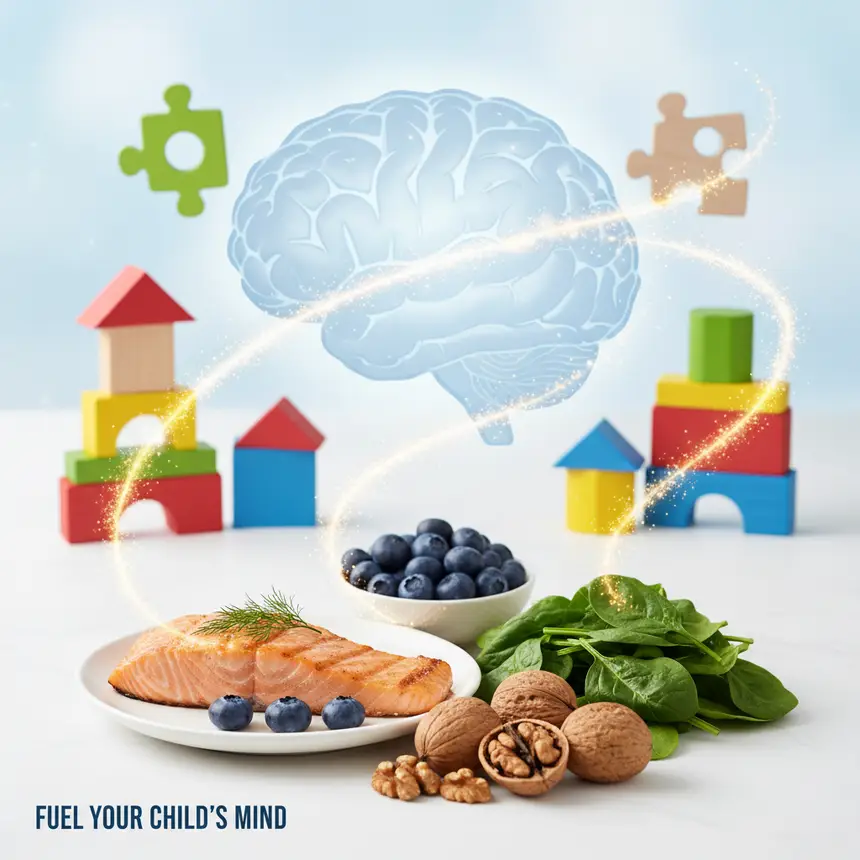
* Healthy Habits for Brain Development: The brain cannot function optimally without adequate rest and nutrition. Elementary school children need about 9-10 hours of sleep nightly for peak memory and concentration. Furthermore, a balanced diet rich in Omega-3 fatty acids (from fish, nuts) and antioxidants (from vegetables, fruits) activates brain function and aids memory improvement. Regular aerobic exercise enhances blood flow to the brain, boosting concentration and memory. These healthy lifestyle habits form the foundational support for all elementary student memory development.
Visual Association and Mind Mapping: When learning new information, try using association techniques that link it to related images or stories. For example, drawing a funny picture for a difficult word or creating a mind map to visually organize central concepts with branching ideas can make information more memorable.
The Power of Repetition and Spaced Review: Consistent repetition of learned material is fundamental for long-term memory formation. Instead of trying to cram everything at once, utilize spaced repetition—reviewing material learned today, then again in a few days, and a week later—to maximize memory efficiency.
Engaging Auditory and Movement: Memorizing information to songs or rhythms, or using audiobooks for repeated listening, can be effective auditory memory training. Additionally, incorporating physical actions like hand gestures or light movement while learning words or numbers activates various parts of the brain, strengthening memory retention.
* Healthy Habits for Brain Development: The brain cannot function optimally without adequate rest and nutrition. Elementary school children need about 9-10 hours of sleep nightly for peak memory and concentration. Furthermore, a balanced diet rich in Omega-3 fatty acids (from fish, nuts) and antioxidants (from vegetables, fruits) activates brain function and aids memory improvement. Regular aerobic exercise enhances blood flow to the brain, boosting concentration and memory. These healthy lifestyle habits form the foundational support for all elementary student memory development.
Sustained Efforts to Unlock Your Child's Potential
A child's memory and learning abilities are not developed overnight; rather, they evolve progressively through consistent parental engagement and the application of effective memory training methods. It's important to blend the various strategies outlined above, tailoring them to your child's temperament and developmental stage. Instead of merely force-feeding knowledge, help your child discover the joy of learning through self-exploration, critical thinking, and problem-solving. Such experiences not only foster self-directed learning in the long run but also positively impact brain development.Setting learning goals together and creating small successes that build a sense of achievement are also crucial. For instance, discussing what they learned with family, or playing a game of memorizing a shopping list, connects learning to real life and offers excellent memory-boosting opportunities. Parents should act as steadfast supporters, encouraging and cheering on their child's learning journey. Rather than rushing, patiently allow your child to learn at their own pace. Cultivating a positive learning environment is key to unleashing your child's full potential. Why not start a fun memory training adventure with your child today for their bright future?
Frequently Asked Questions
Q. When is the best time to start memory training for elementary school children?
A. While a child's cognitive development begins in infancy, the elementary school years are an excellent time to introduce specific memory training tailored for academic learning. It's ideal to start naturally, like through play, whenever your child shows interest in new information and learning.
Q. My child often gets distracted during study time. What should I do?
A. If your child is easily distracted, assess their learning environment. Remove unnecessary digital devices and ensure a quiet space. Also, alternate short study periods with ample breaks, and try incorporating games or activities that genuinely interest your child into their learning routine.
Q. How can I effectively implement spaced repetition for learning?
A. Spaced repetition involves reviewing learned material at increasing intervals. For example, you can set a schedule to revisit content learned today, then again after one day, three days, and a week. Consistent practice with this method significantly improves long-term memory retention.
Q. What specific foods are beneficial for brain health?
A. Foods good for brain health include those rich in Omega-3 fatty acids, like fatty fish (salmon, mackerel), nuts, and avocados. Additionally, antioxidants found in berries and leafy green vegetables help activate brain function. It's generally advised to reduce the intake of sugar and processed foods.
Q. How can I help my child develop self-directed learning skills?
A. Encourage your child to practice setting their own goals and creating study plans. Foster a sense of accomplishment through small successes. When they encounter difficulties, resist giving immediate answers; instead, guide and encourage them to find solutions independently.