A guide to healthy meal plans for growing children during summer break. Discover practical ways to provide balanced, home-cooked meals that boost your child's energetic growth. Start building healthy eating habits for a lifetime of well-being today.

Summer Break Mealtime Challenges for Growing Kids
Summer vacation often brings a unique set of challenges for parents when it comes to mealtimes. With children home all day, preparing three square meals plus snacks can feel like a never-ending task in the kitchen. Yet, this period of rapid growth and high activity levels, especially for elementary school children, makes balanced nutrition more critical than ever. Ensuring kids receive adequate nourishment fuels their energy for play and learning, and lays the groundwork for their overall development. Despite the summer heat, the effort parents put into wholesome home-cooked meals brings immense satisfaction and provides vital energy for their growing children.

The Hidden Pitfalls of Modern Eating Habits
In today's fast-paced world, convenience foods, including quick takeout and highly processed snacks, often seem like an easy solution for busy parents. However, a diet heavily reliant on these Westernized, prepared meals can fall short of providing the essential nutrients growing children need. Critical vitamins, minerals, and proteins vital for development can be lacking, while excessive sodium and sugar intake may disrupt their health balance. This pattern not only affects physical growth and immune function but can also impact cognitive development and learning abilities, potentially establishing unhealthy eating habits for the long term. Careful attention to these dietary choices is therefore crucial.
※ This post contains affiliate links. I may earn a commission at no extra cost to you.

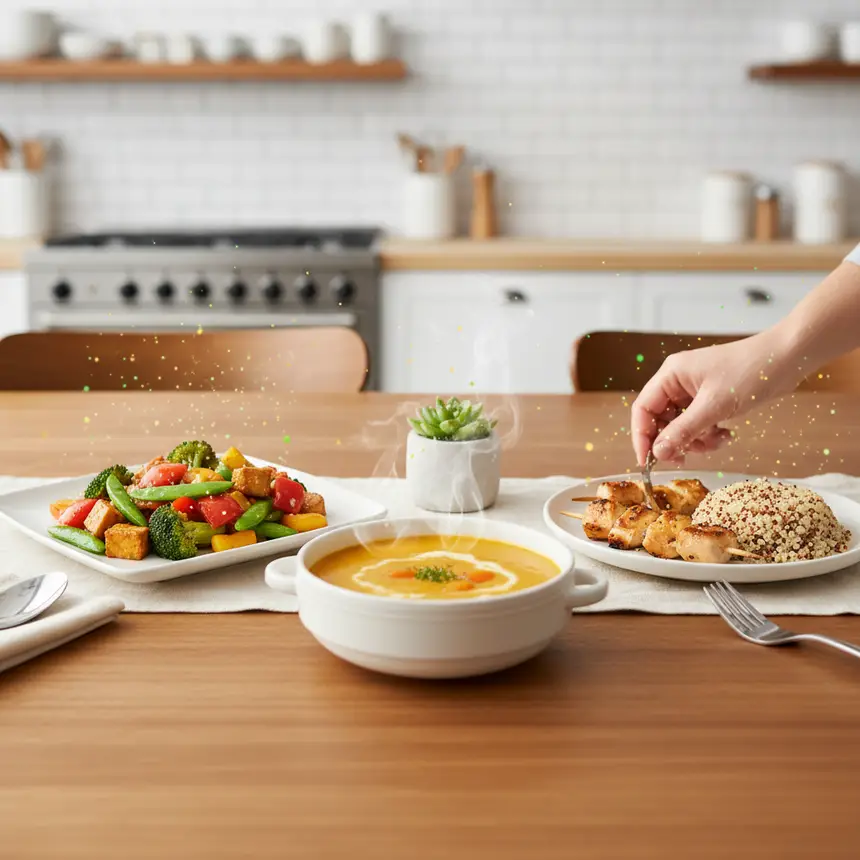
Building a Strong Foundation with Balanced Home-Cooked Meals
Optimal growth and development in children demand a diverse intake of nutrients. Proteins are fundamental for muscle and tissue growth, carbohydrates provide vital energy for daily activities, and a spectrum of vitamins and minerals regulates bodily functions and bolsters immunity. For instance, a hearty beef and seaweed soup offers rich iron and protein, excellent for growing bodies. Potatoes provide Vitamin C and potassium, contributing to immune health, while seasonal greens supply essential fiber and various vitamins. Witnessing a child enjoy a nutritious meal brings immense satisfaction to parents. These home-prepared meals, crafted with fresh ingredients, are not just about feeding; they actively support both physical and mental development.
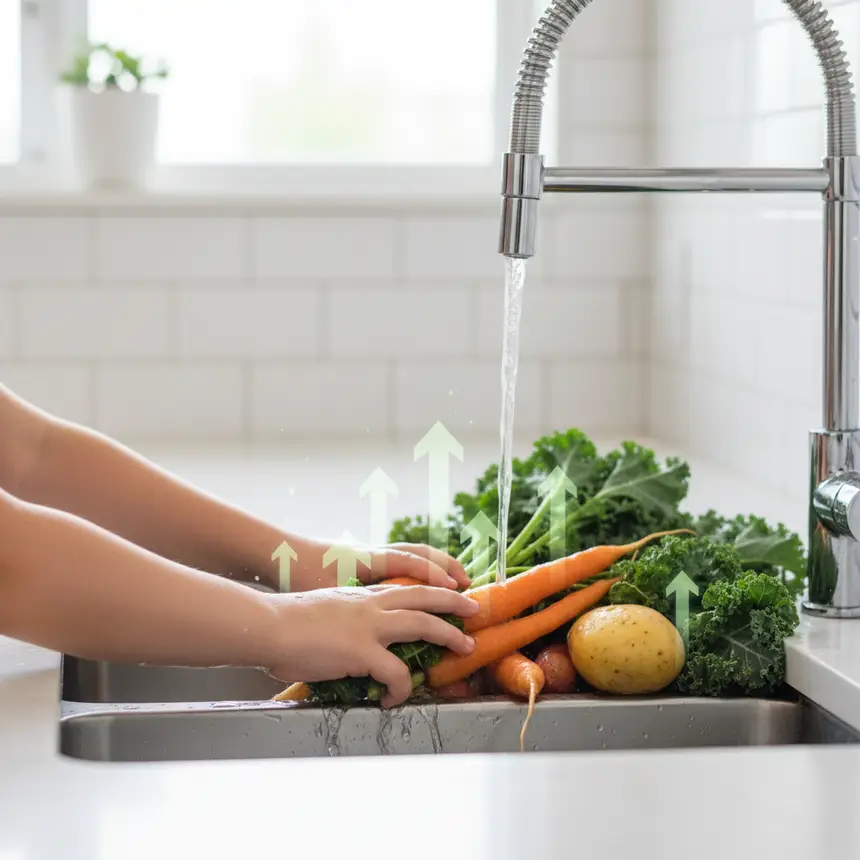
Simple Steps for Healthier Eating Habits
Improving a child's diet doesn't require a radical overhaul; it starts with manageable steps. First, try planning your weekly meals in advance. Deciding on key nutrients and seasonal ingredients beforehand can significantly streamline meal preparation. Second, involve your children in the cooking process. Simple tasks like washing vegetables or mixing ingredients can boost their interest in food and help reduce picky eating. Third, introduce new foods gradually, in small portions, and repeatedly, to build familiarity. Utilize child-friendly cooking methods, such as thinly slicing potatoes for a stir-fry or preparing greens with a savory sesame oil dressing. Lastly, ensure they drink plenty of water, which aids digestion, nutrient absorption, and overall bodily function. These small, consistent efforts collectively foster a healthier summer break for your child.
Nurturing Growth: Your Effort, Their Future
Preparing nutritious meals for children can often feel like a demanding, sometimes exhausting, endeavor, especially during the peak heat of summer. However, the joy of seeing your child thrive, eating well and growing strong, transforms every ounce of effort into profound satisfaction. It's often said, 'You are what you eat,' and healthy eating habits established in childhood form the critical foundation for a lifetime of well-being. This summer break, consider investing a little extra care into home-cooked meals. It’s truly one of the best gifts you can give your child. What wholesome, energy-rich dish will you be preparing for your child tonight? We wish your child a healthy and vibrant summer break!
Frequently Asked Questions
Q. Why is it challenging to manage children's diets during summer break?
A. During summer break, children spend more time at home, requiring parents to prepare three meals and snacks daily. Additionally, the summer heat can make cooking feel burdensome, and children's appetites might decrease, making diet management more difficult.
Q. My child is a very picky eater. How can I encourage them to eat healthier foods?
A. Try finely chopping disliked ingredients and mixing them into foods your child already enjoys. Involving your child in the cooking process or arranging food in fun shapes can also pique their interest. Encouraging them to try new foods gradually through positive experiences is key.
Q. Do you have any quick and easy healthy meal tips for busy parents?
A. Planning your weekly menu and preparing basic side dishes on the weekend can save a lot of time during busy weekdays. You can also aim for one main dish that can be repurposed for several meals, or focus on fresh ingredients that require minimal cooking.
Q. What are the most essential nutrients for growing children?
A. Growing children need proteins (for growth and muscle development), carbohydrates (for energy), healthy fats (for brain development and energy), and a variety of vitamins and minerals (for bodily function regulation and immune support). Pay special attention to calcium, iron, and vitamin D.
Q. What kind of snacks are best for supporting a child's growth and development?
A. Opt for natural, unprocessed snacks like fresh fruits, vegetable sticks, nuts (if no allergies), yogurt, hard-boiled eggs, or low-fat milk. It's also important to encourage children to drink plenty of water instead of sugary beverages.