A practical guide for parents preparing their baby's first rice cereal. Learn the importance of early solids for infant growth and how to prepare healthy, easy-to-digest meals.

Navigating the First Spoonful: The Challenges of Introducing Rice Cereal
The transition to solid foods, marked by the introduction of rice cereal, is a momentous occasion for both babies and parents. While exciting, it often brings a wave of questions and concerns for caregivers. Many parents wonder if they are preparing the cereal correctly, ensuring adequate nutrition, and if their little one will readily accept this new experience. The demands of daily life can make fresh meal preparation a time-consuming task, and mastering the right consistency, along with maintaining impeccable hygiene, adds to the complexity. The significant responsibility of providing essential nutrients without overwhelming a baby's delicate digestive system can feel daunting. So, what are the most effective and straightforward ways to prepare rice cereal for your baby's healthy start?
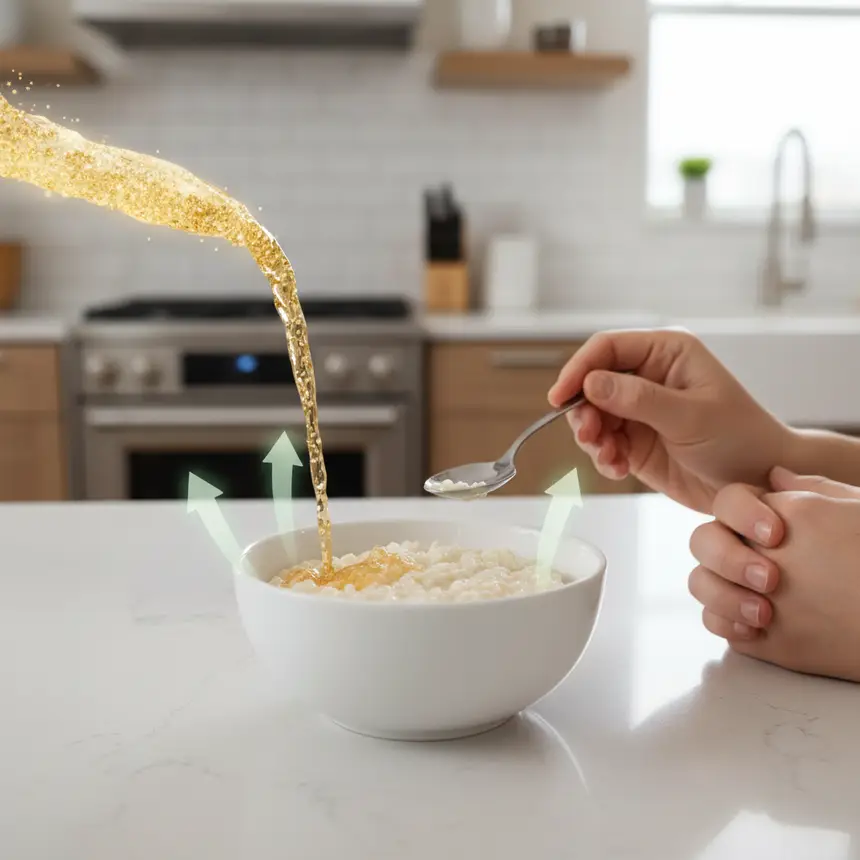
Nurturing Growth: Strategic Approaches to Preparing Nutritious Rice Cereal
The Foundational Role of Early Solids
Introducing solid foods, typically between four to six months of age, marks a crucial milestone in an infant's development. Rice cereal, often the first solid food, serves as a primary source of carbohydrates, fueling the baby's active physical development and cognitive growth. Beyond energy, it lays the groundwork for absorbing micronutrients like iron, which breast milk or formula alone might not sufficiently provide at this stage. This phase also helps babies practice oral motor skills and adapt their digestive systems to new textures and flavors. Given their still-developing digestive tracts, offering easily digestible and smooth preparations is paramount.
Crafting Wholesome Rice Cereal with Ease
Here’s a straightforward method for busy parents to prepare nutritious rice cereal. Begin with 30 grams of thoroughly washed rice. For easier digestion, it’s beneficial to soak the rice beforehand and then blend it finely. Combine the prepared rice with 150 milliliters of clean water and cook them together. Utilizing a multi-functional kitchen appliance with a grain cooking setting can significantly simplify this process. Once cooked, the cereal should reach a consistency that's neither too thin nor too thick, making it comfortable for your baby to swallow. This recipe typically yields about 130-140 ml of rice cereal. Portioning it into 40 ml servings allows for fresh feeding over two to three sessions. Remember to adjust the consistency as your baby progresses in their feeding journey.
Prioritizing Hygiene and Smart Storage
When it comes to baby food, hygiene cannot be overstressed. It is best to consume freshly prepared cereal within two to three days, and ideally, cultivating a habit of preparing fresh batches as needed is recommended. After cooking, immediately soaking and cleaning your cooking equipment will prevent sticking and ensure proper sanitation. Always use clean spoons and bowls for feeding, and avoid re-serving any leftover cereal to maintain a healthy and safe eating environment for your baby. Strict hygiene practices are crucial for supporting your baby's gut health and minimizing the risk of foodborne illnesses.
Introducing solid foods, typically between four to six months of age, marks a crucial milestone in an infant's development. Rice cereal, often the first solid food, serves as a primary source of carbohydrates, fueling the baby's active physical development and cognitive growth. Beyond energy, it lays the groundwork for absorbing micronutrients like iron, which breast milk or formula alone might not sufficiently provide at this stage. This phase also helps babies practice oral motor skills and adapt their digestive systems to new textures and flavors. Given their still-developing digestive tracts, offering easily digestible and smooth preparations is paramount.
Crafting Wholesome Rice Cereal with Ease
Here’s a straightforward method for busy parents to prepare nutritious rice cereal. Begin with 30 grams of thoroughly washed rice. For easier digestion, it’s beneficial to soak the rice beforehand and then blend it finely. Combine the prepared rice with 150 milliliters of clean water and cook them together. Utilizing a multi-functional kitchen appliance with a grain cooking setting can significantly simplify this process. Once cooked, the cereal should reach a consistency that's neither too thin nor too thick, making it comfortable for your baby to swallow. This recipe typically yields about 130-140 ml of rice cereal. Portioning it into 40 ml servings allows for fresh feeding over two to three sessions. Remember to adjust the consistency as your baby progresses in their feeding journey.
Prioritizing Hygiene and Smart Storage
When it comes to baby food, hygiene cannot be overstressed. It is best to consume freshly prepared cereal within two to three days, and ideally, cultivating a habit of preparing fresh batches as needed is recommended. After cooking, immediately soaking and cleaning your cooking equipment will prevent sticking and ensure proper sanitation. Always use clean spoons and bowls for feeding, and avoid re-serving any leftover cereal to maintain a healthy and safe eating environment for your baby. Strict hygiene practices are crucial for supporting your baby's gut health and minimizing the risk of foodborne illnesses.
※ This post contains affiliate links. I may earn a commission at no extra cost to you.

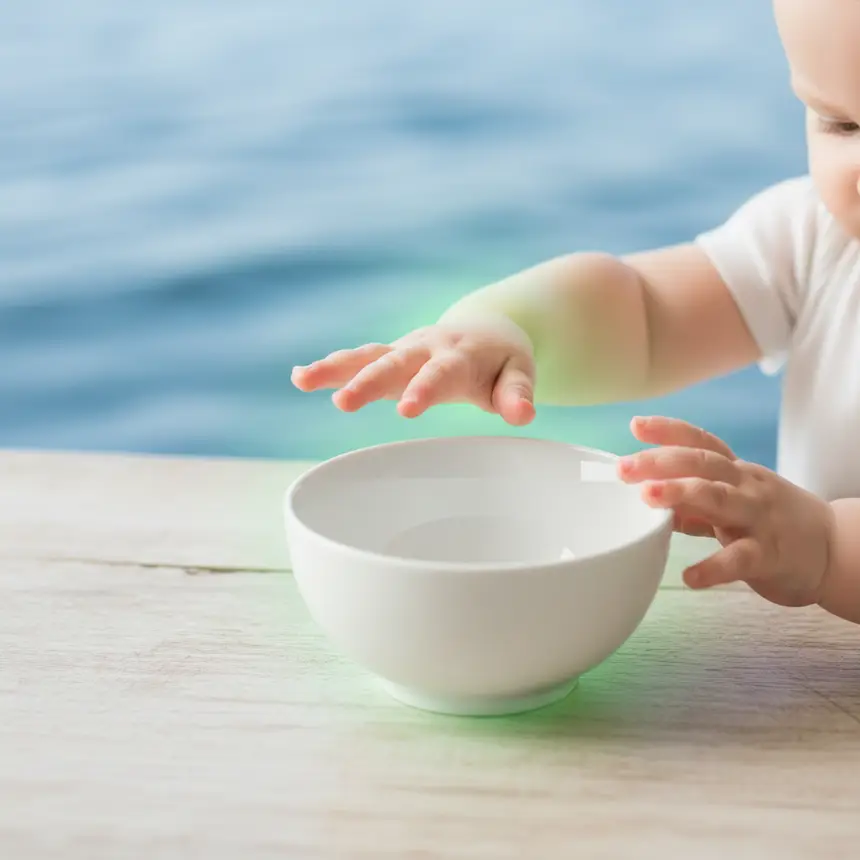
Consistent Care and Observational Feeding: Keys to Early Weaning Success
Early solid feeding is more than just providing sustenance; it's a vital learning period where babies explore new tastes and textures and begin to establish eating habits. Consistently offering healthy rice cereal, while flexibly responding to your baby's unique growth and developmental pace, is essential.
The early solids journey is pivotal in shaping your baby's healthy growth and lifelong eating habits. With carefully prepared rice cereal, attentive parental observation, and consistent effort, your baby will confidently move forward to the next developmental stages.
- Observe Your Baby's Cues: Pay close attention to your baby's facial expressions, intake, and digestive comfort during feeding. This helps you understand their preferences and any potential discomfort.
- Adjust Consistency: Start with a very thin consistency and gradually thicken it as your baby becomes more accustomed to solids.
- Monitor for Allergies: When introducing new ingredients, start with a small amount and carefully observe your baby for several days for any signs of allergic reactions, such as skin changes or digestive issues.
- Prepare for Diverse Nutrition: Once your baby is comfortable with rice cereal, gradually introduce other pureed vegetables like pumpkin, broccoli, zucchini, or sweet potatoes, and fruits, to ensure a balanced nutritional intake.
The early solids journey is pivotal in shaping your baby's healthy growth and lifelong eating habits. With carefully prepared rice cereal, attentive parental observation, and consistent effort, your baby will confidently move forward to the next developmental stages.
Frequently Asked Questions
Q. When is the ideal time to start rice cereal?
A. Generally, babies are ready between 4 to 6 months of age, when they can hold their head up steadily, the tongue-thrust reflex has diminished, and they show interest in foods parents are eating.
Q. How should I adjust the consistency of rice cereal for my baby?
A. Begin with a very thin, almost liquid-like consistency and gradually thicken it as your baby becomes more comfortable. Start with cereal that drips off a spoon and slowly make it a bit more pasty.
Q. What other foods can be introduced after rice cereal?
A. Once your baby is comfortable with rice cereal, you can gradually introduce single-ingredient purees of vegetables like sweet potato, green beans, or carrots, and fruits like apples or bananas, one at a time to check for tolerance.
Q. How much rice cereal should my baby eat per feeding?
A. Start with a small amount, perhaps 1-2 tablespoons (15-30ml) once a day, and gradually increase the quantity based on your baby's appetite and digestion. Never force-feed if your baby shows disinterest.
Q. What if my baby refuses to eat the rice cereal?
A. If your baby refuses, don't force it. Try adjusting the feeding time, taking a short break, and reintroducing it later. Sometimes, a different spoon or a change of scenery can help. Patience and positive associations are key.