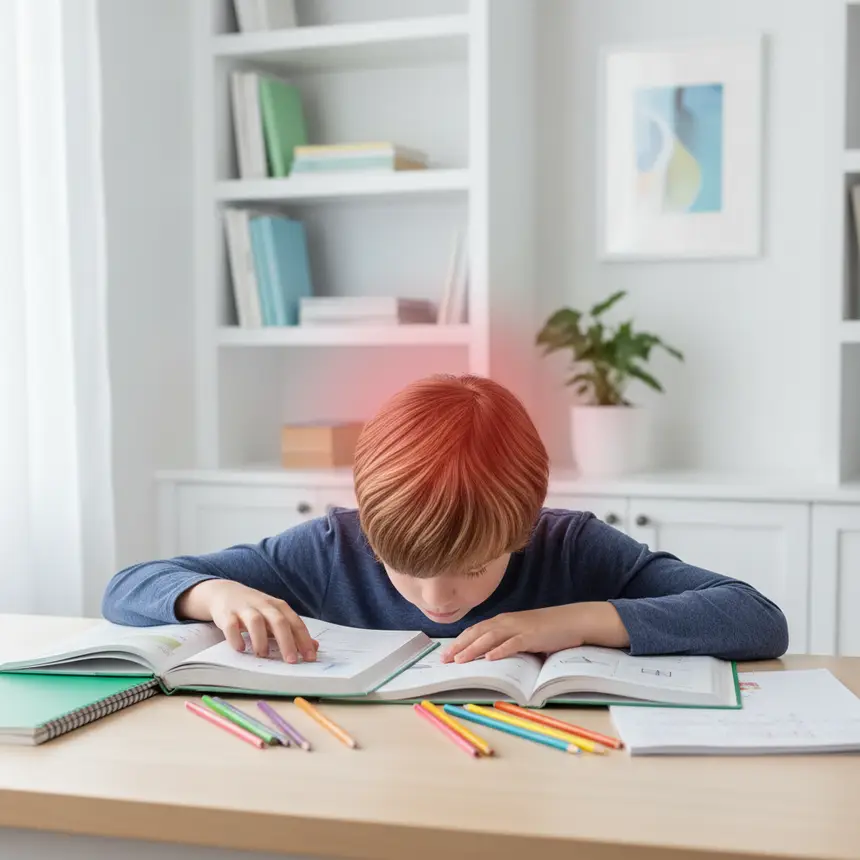
Is your child reluctant to read? Discover effective strategies and play-based activities to foster joyful children's reading habits. Unlock your child's curiosity and build a foundation for lifelong learning.

Igniting a Passion for Reading: Transforming Reluctance into Lifelong Learning
Just as children embark on their first adventures exploring the world around them, encountering diverse narratives through books opens up a universe of possibilities for their development. Are you finding your little one gravitates more towards toys and games than storybooks, leaving you wondering how to spark their interest in reading? Many parents face the challenge of encouraging early childhood reading habits, often feeling a gap between the aspiration of a book-loving child and the reality of a quick, sometimes reluctant, bedtime story. But there's no need to feel discouraged; this is a common starting point for many families.
The advantages of reading extend far beyond simply recognizing words. Books ignite a child's imagination, expand their vocabulary, and cultivate empathy by allowing them to step into the shoes of different characters. They also broaden a child's understanding of the world by exposing them to various concepts and ideas. A child who reads becomes a mini-explorer, constantly asking questions and seeking answers. Even if a child initially shows little enthusiasm for books, the right approach can transform them into an ardent reader. Witnessing their eyes light up at a new story, empathizing with characters, and satisfying a thirst for knowledge profoundly impacts their emotional and cognitive growth.
Crucially, positive early reading experiences lay a robust foundation for a child's continuous intellectual curiosity and a lifelong appreciation for learning. The background knowledge accumulated through books translates into confidence in school, fostering complex problem-solving skills and critical thinking—essential assets for their future. Reading isn't just about absorbing information; it's instrumental in helping children develop independent thought and their own value systems. Ready to embark on this enriching journey and watch your child flourish with the power of stories?
The advantages of reading extend far beyond simply recognizing words. Books ignite a child's imagination, expand their vocabulary, and cultivate empathy by allowing them to step into the shoes of different characters. They also broaden a child's understanding of the world by exposing them to various concepts and ideas. A child who reads becomes a mini-explorer, constantly asking questions and seeking answers. Even if a child initially shows little enthusiasm for books, the right approach can transform them into an ardent reader. Witnessing their eyes light up at a new story, empathizing with characters, and satisfying a thirst for knowledge profoundly impacts their emotional and cognitive growth.
Crucially, positive early reading experiences lay a robust foundation for a child's continuous intellectual curiosity and a lifelong appreciation for learning. The background knowledge accumulated through books translates into confidence in school, fostering complex problem-solving skills and critical thinking—essential assets for their future. Reading isn't just about absorbing information; it's instrumental in helping children develop independent thought and their own value systems. Ready to embark on this enriching journey and watch your child flourish with the power of stories?
Captivating Young Minds: From Choosing Books to Interactive Play
To cultivate joyful children's reading habits, it's essential to move beyond merely reading aloud. The goal is to make books feel less like a chore and more like an exciting extension of playtime.
1. Engaging in Two-Way Conversations with Books
When you read to your child, they shouldn't just be passive listeners. Use the illustrations as prompts to ask questions like, "How do you think this character is feeling?" or "What would you do if you were in this situation?" Pause the story to connect the narrative to your child's own experiences. This interactive approach helps them grasp the content more deeply and relate it to their world, boosting their language development and critical thinking skills. It transforms reading into a dynamic, shared experience rather than a one-sided delivery of information. By encouraging your child to predict outcomes or voice their opinions about situations in the book, the story becomes even more vivid and engaging. This shared narrative creation builds precious moments of connection beyond simple reading.
2. Selecting Books That Spark Genuine Interest
Choosing books that align with your child's age, developmental stage, and personal interests is paramount. If your child loves animals, dinosaurs, vehicles, or princesses, start with books featuring those themes. Begin with shorter, richly illustrated books and gradually introduce narratives with more depth as their attention span grows. Allowing your child to choose books themselves is also an excellent strategy. By letting them freely explore and select books at a bookstore or library, they develop a sense of ownership and attachment to reading. Consider exploring curated lists of age-appropriate books or subscription services that deliver diverse titles regularly. The consistent arrival of new, exciting books can naturally foster anticipation and curiosity about reading.
3. Maximizing Learning Through Post-Reading Activities
One of the most powerful ways to cultivate true interest and sustained children's reading habits is through engaging post-reading activities. These activities allow children to re-interpret and express the story in various ways, significantly enhancing their engagement and creativity.
These diverse activities transform the reading experience from a fleeting memory into a multi-sensory adventure, embedding the joy of stories deep within a child's mind.
1. Engaging in Two-Way Conversations with Books
When you read to your child, they shouldn't just be passive listeners. Use the illustrations as prompts to ask questions like, "How do you think this character is feeling?" or "What would you do if you were in this situation?" Pause the story to connect the narrative to your child's own experiences. This interactive approach helps them grasp the content more deeply and relate it to their world, boosting their language development and critical thinking skills. It transforms reading into a dynamic, shared experience rather than a one-sided delivery of information. By encouraging your child to predict outcomes or voice their opinions about situations in the book, the story becomes even more vivid and engaging. This shared narrative creation builds precious moments of connection beyond simple reading.
2. Selecting Books That Spark Genuine Interest
Choosing books that align with your child's age, developmental stage, and personal interests is paramount. If your child loves animals, dinosaurs, vehicles, or princesses, start with books featuring those themes. Begin with shorter, richly illustrated books and gradually introduce narratives with more depth as their attention span grows. Allowing your child to choose books themselves is also an excellent strategy. By letting them freely explore and select books at a bookstore or library, they develop a sense of ownership and attachment to reading. Consider exploring curated lists of age-appropriate books or subscription services that deliver diverse titles regularly. The consistent arrival of new, exciting books can naturally foster anticipation and curiosity about reading.
3. Maximizing Learning Through Post-Reading Activities
One of the most powerful ways to cultivate true interest and sustained children's reading habits is through engaging post-reading activities. These activities allow children to re-interpret and express the story in various ways, significantly enhancing their engagement and creativity.
- Artistic Expression: Encourage your child to draw the characters or recreate scenes from the book. Simple coloring, playdough creations, paper crafts, or collages can bring the story to life. By encouraging free expression of their imagined scenes, you nurture their creativity and expressive abilities. Displaying their finished artwork alongside the book can give them a great sense of accomplishment.
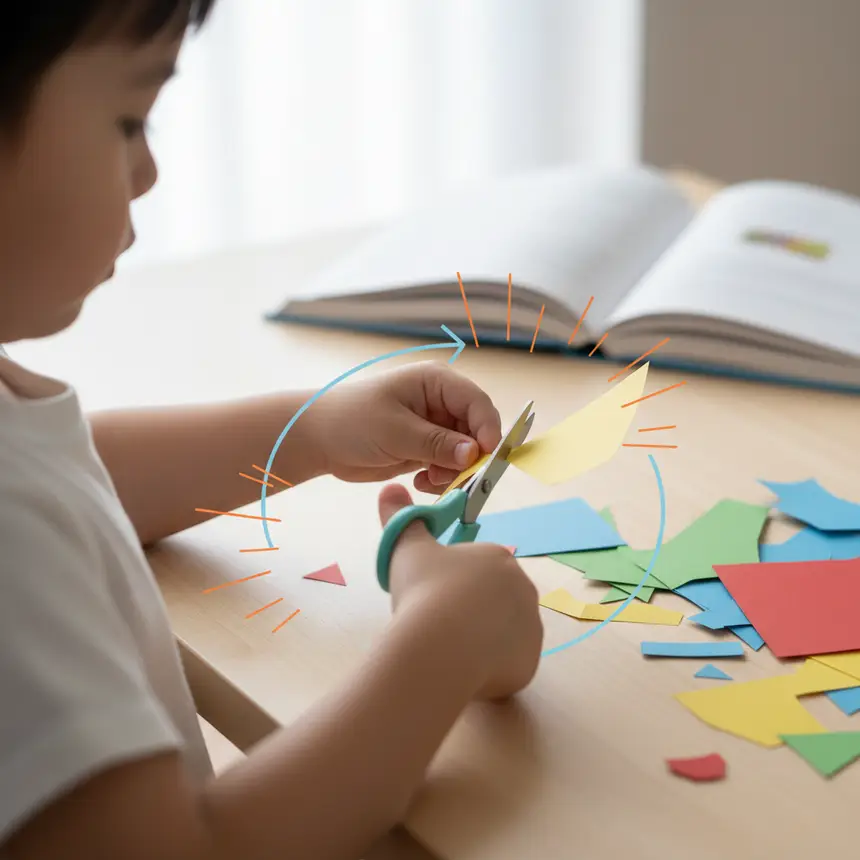
- Fine Motor Skill Development: Incorporate puzzles related to the book's themes or create opportunities for cutting and pasting characters. Using safety scissors to cut out figures and glue them onto a new background is excellent for developing hand-eye coordination and concentration. Handling small pieces also naturally improves patience and problem-solving skills.
- Imaginative Role-Playing: Craft character masks or use existing toys to re-enact parts of the story. When children embody characters and create their own dialogues, it boosts their social skills and expressive abilities. Role-playing with friends or family also helps them understand and empathize with others' emotions. It becomes an opportunity to further expand their imagination by re-storytelling.
- Real-World Connections: Extend the book's themes into everyday life. If a book features a farm, consider a visit to a local farm. Simple science experiments inspired by a story can broaden a child's intellectual curiosity and reinforce learning in a fun, tangible way. Such activities demonstrate to children that knowledge from books is not abstract but connected to the real world.
These diverse activities transform the reading experience from a fleeting memory into a multi-sensory adventure, embedding the joy of stories deep within a child's mind.
※ This post contains affiliate links. I may earn a commission at no extra cost to you.


Patience is Paramount: Pacing the Reading Journey to Your Child's Unique Rhythm
Establishing solid children's reading habits is not a sprint, but a marathon. Approaching it with patience, respecting your child's individual pace, and nurturing their autonomy are crucial for long-term success. Here are some key considerations and tips for fostering an effective reading environment:
These strategies for building children's reading habits are generally most effective for preschoolers (ages 3-7) and early elementary students (ages 7-9). This period is marked by rapid language and cognitive development, coupled with immense curiosity, making it an ideal time to build positive reading experiences. The right reading habits will equip your child with a powerful tool for exploring the world and fostering their self-driven growth.
- Encourage, Don't Coerce, and Be Patient: Forcing a child to read or making them sit through a story when they're clearly uninterested can create a negative association with books. If your child isn't keen, take a break or offer a different type of book. Instead of saying, "It's reading time!" try, "I found a fun new story we could explore together today." Positive framing makes a significant difference, and observing your child's reactions while giving them ample time to respond is key.
- Short, Consistent Sessions are Key: Regular Reading Routines: It's more beneficial to have short, regular reading moments than infrequent, long ones. Even 10 minutes daily, perhaps before bedtime or during a relaxed snack time, can build a strong foundation. This consistent exposure helps normalize reading as a part of daily life, making it a powerful basis for habit formation. Reading at the same time each day can also provide a sense of psychological security for your child.
- Create an Inviting Book Nook: A Child's Mini Library: Make books easily accessible by placing them in an area where your child can comfortably reach them. Creating a cozy and well-lit reading corner is also a great idea. Allowing your child to personalize the space with their favorite toys or blankets can further enhance its appeal. Simply having books visible and within reach helps children see them as friendly companions, increasing their chances of picking one up independently.
- Lead by Example: Be a Reading Role Model: Children are keen observers and often mimic their parents' behaviors. If your child frequently sees you reading for pleasure instead of watching TV or using a smartphone, they'll naturally perceive reading as a valuable and enjoyable activity. Shared experiences like visiting the local library or browsing a bookstore together, and even discussing books with each other, can foster a positive attitude towards reading. A parent's reading habits are the most powerful motivation for a child.
These strategies for building children's reading habits are generally most effective for preschoolers (ages 3-7) and early elementary students (ages 7-9). This period is marked by rapid language and cognitive development, coupled with immense curiosity, making it an ideal time to build positive reading experiences. The right reading habits will equip your child with a powerful tool for exploring the world and fostering their self-driven growth.
Frequently Asked Questions
Q. My child shows zero interest in books. How do I even begin?
A. Start by choosing picture books featuring characters or themes your child already loves. Instead of strictly reading the text, look at the pictures together and have open-ended conversations (e.g., "What do you see in this picture?", "What sound does this animal make?"). This reduces pressure and makes the book experience more about discovery. Short, enjoyable interactions are more important than long, forced ones.
Q. Are post-reading activities really necessary? I find it hard to come up with new ideas every time.
A. Post-reading activities are incredibly beneficial for cementing the story in your child's memory and boosting their overall engagement with books. They don't have to be elaborate! Simple activities like drawing a character from the book or reenacting a scene with toys are great. If coming up with new ideas is challenging, try just one or two simple activities for each book. The goal is engagement, not perfection.
Q. My child wants to read the same book over and over again. Is that okay?
A. Absolutely, it's perfectly normal and beneficial! When a child repeatedly requests the same book, it often means they find comfort in predictability and are internalizing the story. Rereading helps them build confidence, deepen their understanding, and enjoy the pleasure of anticipation. Feel free to read it as many times as they wish, but you can also gently introduce new books alongside their favorites.
Q. When is the best time to start building reading habits?
A. It's never too early to start! Reading to infants from birth, even just picture books, supports auditory development and fosters emotional security. As children become more responsive and begin to understand pictures and simple stories, typically around 2-3 years old, you can more actively introduce diverse books and integrate post-reading activities to solidify their early reading habits.