Wondering how to care for your baby's delicate skin? Discover essential tips for infant bathing, choosing gentle cleansers, effective moisturizing, and maintaining a healthy skincare routine for your little one.

Understanding Your Baby's Unique Skin Needs
Bringing a newborn home is a joyous occasion, but it also comes with new responsibilities, especially concerning their delicate skin. Have you ever found yourself wondering which products are best for your baby's bath, or how to properly care for their skin afterward? Many parents can relate to the worry of seeing their baby's skin easily irritated, turning red, or becoming dry with minimal provocation. To safeguard and maintain the health of this sensitive infant skin, it's crucial to grasp the correct bathing techniques and appropriate skincare practices.
The Science Behind Infant Skin Sensitivity
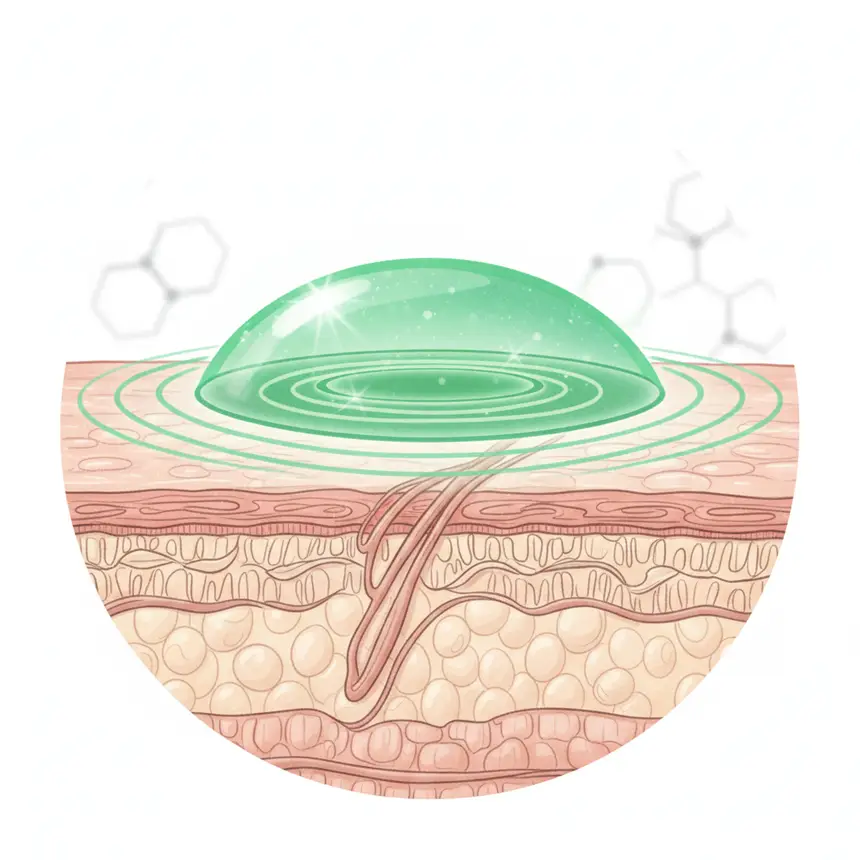
Infant skin differs significantly from adult skin in several ways. A primary characteristic is its underdeveloped skin barrier function. While skin plays a vital role in protecting the body from external factors and preventing moisture loss, a baby's skin is thinner and has weaker cell connections, making its protective layer less robust. This means it reacts easily to environmental changes and rapidly loses moisture, leading to dryness. Additionally, sweat and oil gland functions are still immature, making it challenging for the skin to regulate its own moisture and oil balance. Therefore, understanding these physiological traits of baby skin and applying appropriate care methods is essential.
※ This post contains affiliate links. I may earn a commission at no extra cost to you.


Choosing Safe and Effective Cleansing and Moisturizing Products for Infants
Given the sensitivity of infant skin, careful selection of bath cleansers and post-bath moisturizers is paramount. For cleansers, 'gentleness' should be the top priority. Harsh surfactants, artificial fragrances, or dyes can irritate a baby's skin and should be avoided. Opt for products primarily composed of naturally derived ingredients, with a balanced, slightly acidic pH. An all-in-one product that can be used from head to toe can help shorten bath time, reducing stress for the baby and minimizing skin exposure. Look for cleansers that produce a soft, fine lather rather than excessive foam.
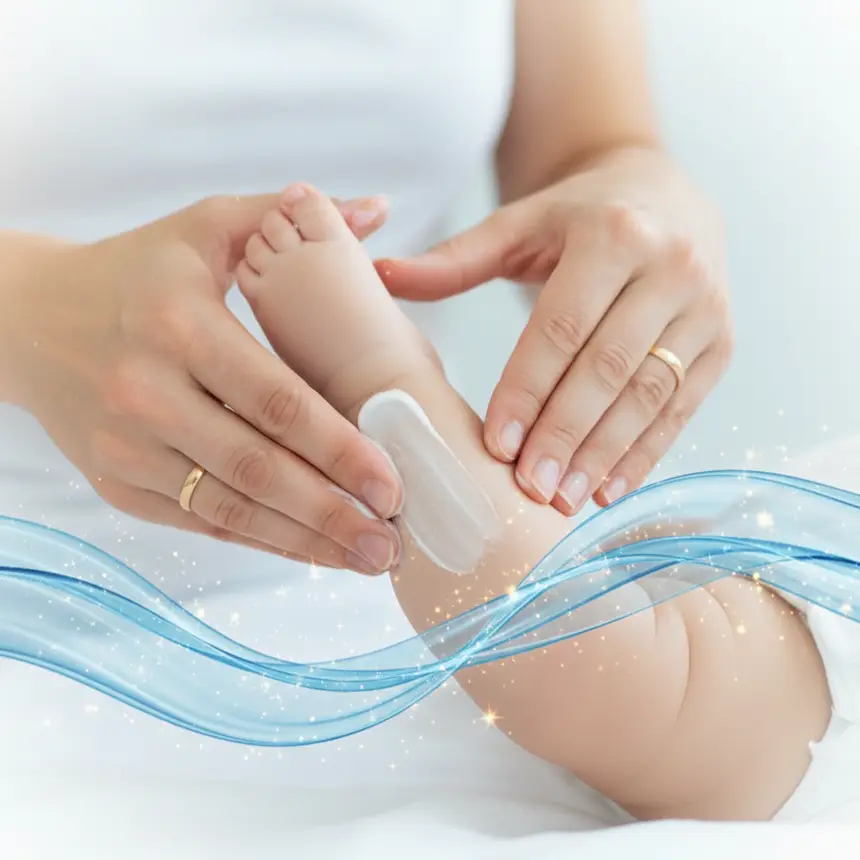
Post-bath moisturizing is just as critical as cleansing. To prevent dryness and maintain a healthy skin barrier, it's best to start moisturizing within three minutes after the bath. First, apply a generous amount of gentle baby cream to provide hydration and nourishment. Once the cream is absorbed, lightly apply a layer of moisturizing oil to create a protective barrier that seals in moisture. This two-step moisturizing routine effectively helps keep a baby's skin soft and supple for longer.
Post-bath moisturizing is just as critical as cleansing. To prevent dryness and maintain a healthy skin barrier, it's best to start moisturizing within three minutes after the bath. First, apply a generous amount of gentle baby cream to provide hydration and nourishment. Once the cream is absorbed, lightly apply a layer of moisturizing oil to create a protective barrier that seals in moisture. This two-step moisturizing routine effectively helps keep a baby's skin soft and supple for longer.
Practical Tips for Your Baby's Bath and Skincare Routine
Daily bathing and moisturizing form the foundation of healthy infant skin. Keep bath times brief, around 10 minutes, and use lukewarm water (about 98-100°F or 37°C). When using a cleanser, use a gentle lather to wash without irritation, paying close attention to folds in the neck, arms, and legs. However, be careful not to over-cleanse, as this can further dry out the skin. After the bath, gently pat your baby's skin dry with a soft towel, and apply moisturizers as described above, before the skin is completely dry.
Moreover, a baby's skin is sensitive to changes in weather and environment, so it's a good habit to check their skin condition daily, both morning and evening. If their skin appears drier or redder than usual, increasing the amount or frequency of moisturizer application can provide immediate relief. Strive for a consistent and steady routine to help maintain your baby's skin stability.
Moreover, a baby's skin is sensitive to changes in weather and environment, so it's a good habit to check their skin condition daily, both morning and evening. If their skin appears drier or redder than usual, increasing the amount or frequency of moisturizer application can provide immediate relief. Strive for a consistent and steady routine to help maintain your baby's skin stability.
Your Attention is Key to Your Baby's Skin Health
Proper skin care during infancy plays a significant role in a baby's overall growth and development. While it might initially feel overwhelming to choose products and establish a routine, understanding your baby's skin characteristics and adopting sound cleansing and moisturizing habits can make maintaining healthy skin much simpler than you think. The key is to consistently practice a routine that involves short, comfortable baths with gentle cleansers, followed by appropriate moisturizers to fortify the skin barrier. These efforts will not only protect your baby's skin but also transform bath time into a more enjoyable and bonding experience for both parent and child. Your baby's skin can truly flourish with your attentive care and love.
Frequently Asked Questions
Q. Why does my baby's skin get dry so easily?
A. A baby's skin is thinner than an adult's and has an underdeveloped skin barrier, making it prone to losing moisture quickly. Their sweat and oil glands are also immature, struggling to regulate the skin's natural oil and water balance.
Q. What ingredients should I avoid in baby bath cleansers?
A. It's best to avoid harsh surfactants, artificial fragrances, dyes, parabens, and other potentially irritating ingredients. Opt for cleansers made with naturally derived ingredients and a balanced, slightly acidic pH.
Q. When is the best time to apply moisturizer after a baby's bath?
A. The most effective time to apply moisturizer is immediately after patting your baby dry, within three minutes of the bath, before their skin completely dries. This helps lock in existing moisture for better absorption.
Q. Is an all-in-one cleanser suitable for my baby's hair and body?
A. Yes, an all-in-one cleanser can help shorten bath time and minimize irritation. However, ensure it's a gentle, tear-free formula made with mild ingredients specifically designed for infant use.
Q. What should I do if my baby's skin appears red or unusually dry?
A. Apply moisturizer more frequently and generously. Also, review the bath water temperature to ensure it's not too hot and that bath times aren't excessively long. If concerns persist, it's advisable to consult a pediatrician.