Struggling with infant feeding choices? Explore the pros and cons of breastfeeding, formula feeding, and pumping to find the best method for your family. Discover a guide to happy and healthy feeding for both parents and baby.

New Parent's First Hurdle: How to Approach Infant Feeding?
The joy of welcoming a new baby often comes with the significant responsibility of ensuring their healthy development. Among the many tasks, infant feeding stands out as a primary concern for new parents. Questions about the best way to nourish their baby and doubts about their own capabilities can be overwhelming. While many parents start with a specific feeding method in mind, they often encounter unforeseen challenges that lead them to explore various approaches. Adapting feeding methods flexibly as the baby grows is a mark of wisdom. The journey to discovering the most suitable feeding strategy for your infant will ultimately contribute to both parental well-being and the baby's happiness.
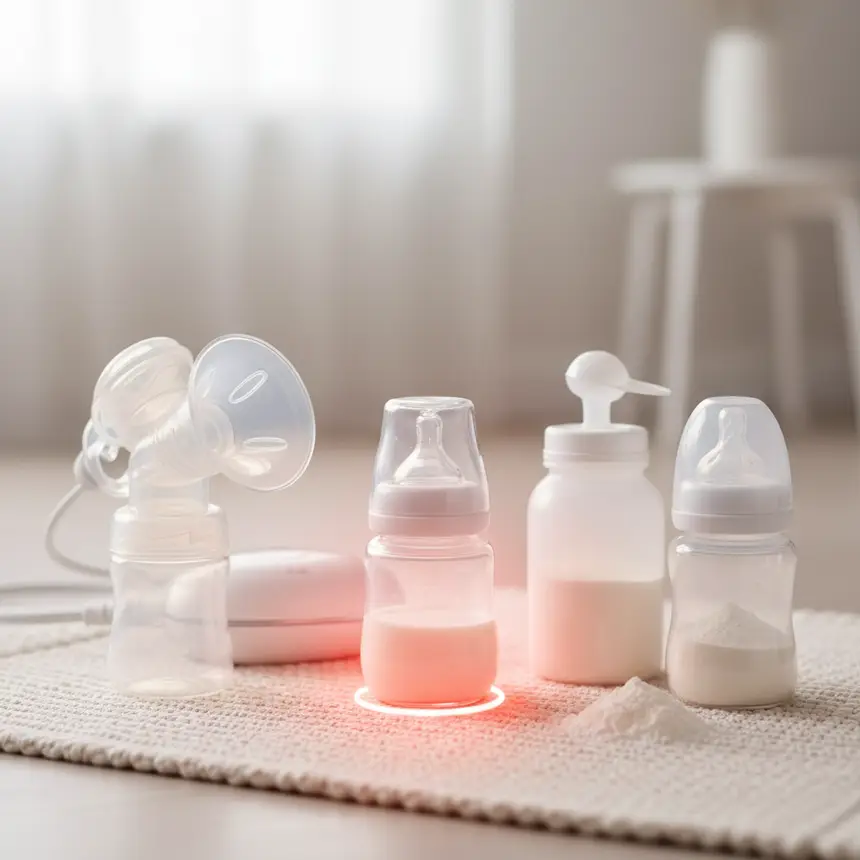
The Dual Nature of Each Feeding Method: Real-World Challenges Behind the Benefits
Feeding an infant is essential, yet it requires more effort from parents than often anticipated. Natural feeding offers incredible advantages, providing optimal nutrition and immunity while deepening the emotional bond between parent and child. However, new parents often face difficulties such as mastering the correct latch, fatigue from frequent feeding, and physical discomfort like engorgement or nipple pain. On the other hand, formula feeding is generally more convenient and allows for precise monitoring of the baby's intake, enabling more structured feeding schedules. A significant benefit is that partners or other family members can participate, sharing the caregiving load. However, the cost of formula and the need for thorough bottle sterilization and cleaning can be drawbacks. Lastly, pumping allows babies to receive the benefits of natural milk via a bottle, offering flexibility in scheduling. It's particularly useful if the baby struggles with direct latching or if the parent needs to be away. Yet, the process involves operating a pump, storing milk, and cleaning bottles, which adds to the time and effort required, making it challenging for long-term use.
※ This post contains affiliate links. I may earn a commission at no extra cost to you.

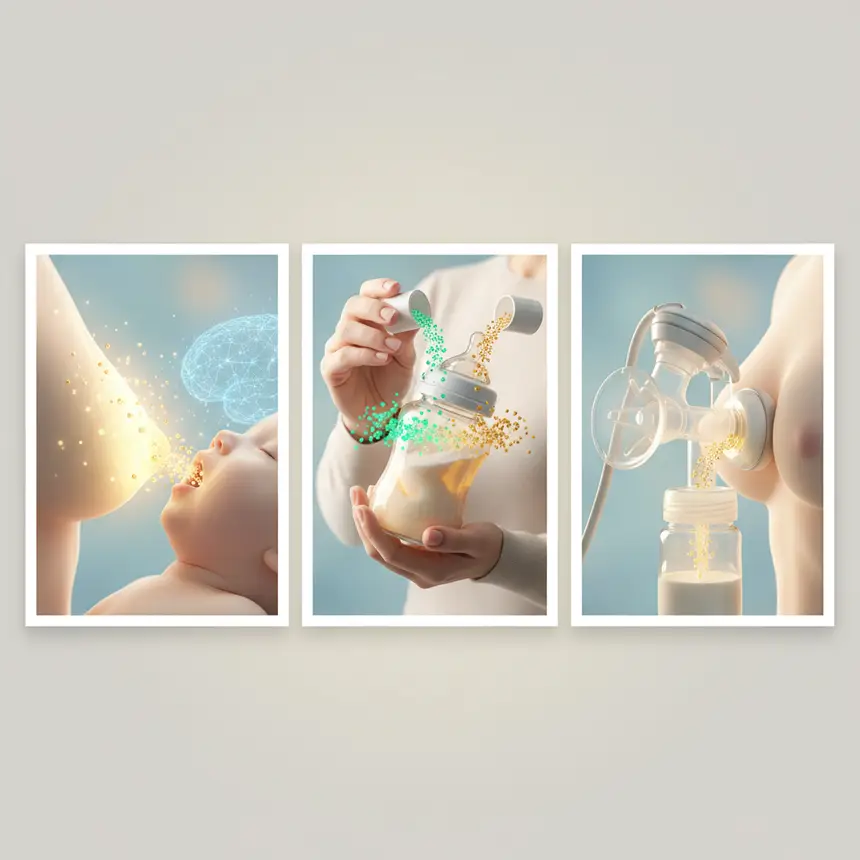
Informed Choices for Baby's Growth: Understanding Each Feeding Method
What is the ideal feeding method for your baby's healthy growth and development? The answer depends on the unique circumstances of each parent and baby. Understanding the core characteristics of each method and choosing what aligns best with your family is crucial.
- Advantages and Considerations of Natural Feeding: As the most natural source of nutrition for newborns, mother's milk contains immune components that aid in the baby's immune system development. Its composition changes with the baby's growth stages, and it contributes to emotional security. However, it requires sufficient rest and nutrition for the parent, and an adjustment period for mastering feeding positions and breast care.
- Practical Benefits of Formula Feeding: Formula provides scientifically balanced nutrients essential for a baby's growth and development. Parents can accurately track the baby's intake, making quantity management easy. Furthermore, other caregivers, including the father, can participate in feeding, effectively sharing the childcare burden. This ensures adequate rest for the mother and fosters bonding among family members.
- Utility and Efficiency of Pumping: Pumping combines the benefits of mother's milk with the convenience of bottle feeding. It can be particularly useful when a parent returns to work or when the baby has difficulty latching directly. Pumped milk can be stored in the refrigerator or freezer and given to the baby as needed, allowing for flexible feeding schedules. This method offers a good alternative for reducing parental stress while continuing to provide the baby with the nutritional advantages of mother's milk.
Your Family's Feeding Strategy: Flexible Approaches for Joyful Parenting
The choice of feeding method should consider various factors, including the parent's lifestyle, the baby's characteristics, and the family's support system. Instead of rigidly sticking to one method, consider a 'combination feeding' approach that flexibly mixes different methods as situations dictate. For instance, natural feeding during the day while the partner gives formula or pumped milk at night to allow the mother to rest, or using convenient formula when out and about. This flexible approach can prevent parental burnout and provide a stable feeding environment for the baby. What matters most is creating an environment where parents can care for their baby joyfully and without undue stress. Parenting is a marathon, so finding a sustainable method is paramount. Rather than being swayed by external advice, pay close attention to your family's situation and your baby's cues to discover the optimal path. Seeking professional guidance when needed is also a wise step.

No Single Right Answer: Finding the Best Path for Parent and Baby
The feeding journey is a unique experience that unfolds differently for every family. There is no single 'best' feeding method. What truly matters is finding a method that makes both parent and baby feel happy and comfortable. Sometimes, plans might not go as expected, leading to frustration or guilt, but a parent's effort and love are conveyed to the baby regardless of the feeding method. A baby's healthy growth and development are not solely dependent on how they receive nutrition. The parent's warm care and a stable environment have a far greater impact. So, trust yourself and your baby, and make the most reasonable and joyful choices according to your circumstances. Don't be overwhelmed by external opinions or an abundance of information; instead, enjoy this feeding time at your family's own pace. Remember that a parent's happiness contributes significantly to a child's happiness.
Frequently Asked Questions
Q. I'm breastfeeding and experiencing severe nipple pain. What should I do?
A. Nipple pain is a common challenge in early breastfeeding. It often indicates an incorrect latch, so it's advisable to seek expert help on proper feeding positions and how your baby latches. If the pain is severe, you might consider temporarily combining with pumping to give your nipples a rest.
Q. Will formula feeding reduce my emotional bond with my baby?
A. The emotional bond with your baby is formed through warm physical touch and interaction, regardless of the feeding method. Even with formula feeding, you can foster a deep bond by holding your baby close, making eye contact, and speaking in a gentle voice, ensuring ample interaction.
Q. What are effective ways to store pumped breast milk?
A. Pumped milk should be stored in clean, sterilized breast milk storage bags or bottles. It can be kept at room temperature for up to 4 hours, in the refrigerator for up to 4 days, and in the freezer for up to 6 months. It's crucial to label with the date and time of pumping and use the oldest milk first.
Q. I'm exhausted from nighttime feedings. Should I switch to formula?
A. Nighttime feedings can lead to sleep deprivation and increased parenting stress. If you're struggling to manage alone, consider combination feeding where your partner or another family member helps with nighttime formula feeds. This can ensure the parent gets adequate rest and contributes to sustainable, stable parenting in the long run.