Infant constipation is a common concern for new parents. Discover the causes of bowel issues, especially in formula-fed babies, and practical solutions like massage and gut health support. Learn essential parenting tips for healthy bowel habits and recognize signs that warrant professional medical advice.

A Common Worry for New Parents: My Baby Seems to Be Struggling
For many first-time parents, observing their newborn's bowel movements can become a source of anxiety. Thoughts like, 'My baby hasn't pooped today, is that normal?' or 'They're really straining, could this be infant constipation?' are frequent worries. During the newborn stage, bowel patterns are often inconsistent and still developing, making it tricky to discern what's normal and what warrants concern. This apprehension is completely natural for parents who are keenly attuned to every little cue and expression from their precious little one.
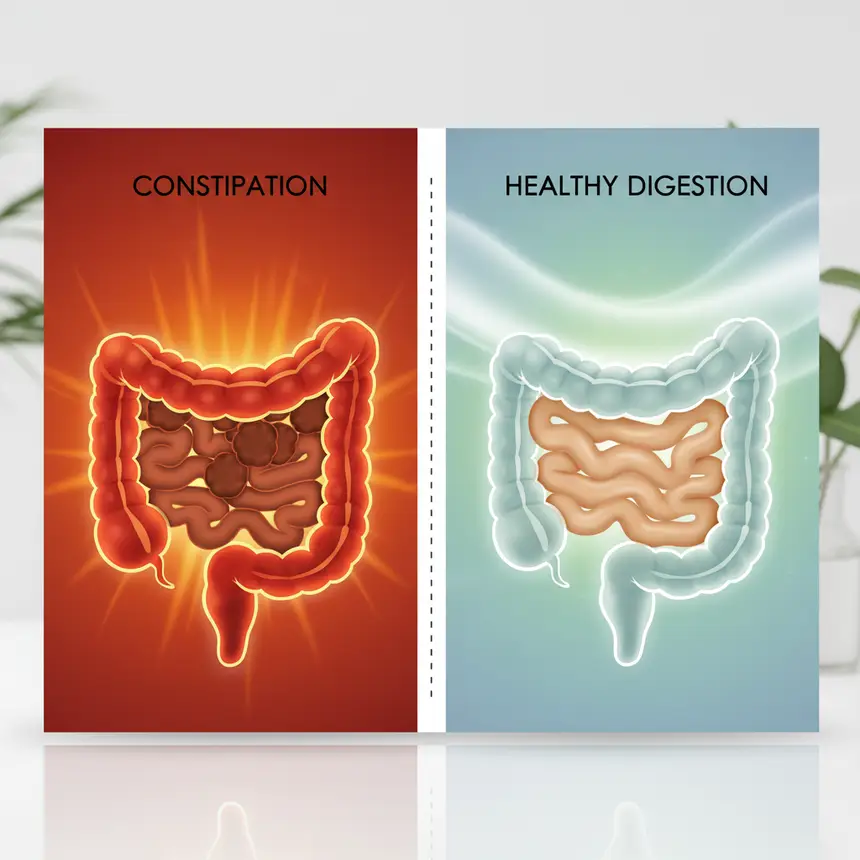
Distinguishing Normal Bowel Patterns from Constipation in Infants
A baby's bowel habits can be quite diverse, varying significantly with age and feeding method. Breastfed infants might have several bowel movements a day, sometimes even with every feeding, while formula-fed babies typically go once or twice daily, or even every two to three days. The key isn't just frequency, but the consistency of the stool. If your baby hasn't had a bowel movement for three or more days, passes hard, pellet-like stools, or strains and cries excessively during defecation, it could indicate baby constipation.This challenge is often observed more frequently in formula-fed infants for several reasons. Firstly, formula, compared to breast milk, can result in firmer stools during digestion. Secondly, newborns at this stage have limited ability to supplement their fluid intake beyond milk, which can lead to dehydration and harder stools. Thirdly, their intestinal functions are still maturing, leading to an unstable bowel rhythm. Lastly, sudden changes in formula type can also disrupt a baby's digestive system.
※ This post contains affiliate links. I may earn a commission at no extra cost to you.


Effective Strategies to Support Healthy Bowel Function in Infants
When your little one appears uncomfortable, as a parent, your immediate instinct is to find ways to help. Fortunately, there are several safe and effective methods you can try at home. Firstly, gentle abdominal massage can stimulate bowel activity. Using warm hands, gently massage your baby's tummy in a clockwise motion. This action can encourage the movement of the intestines and help soften stools.Secondly, a warm bath can be wonderfully relaxing for both your baby's body and mind. The warmth helps to soothe muscles and alleviate tension in the gut, which in turn can promote smoother bowel movements. Thirdly, maintaining a healthy internal gut environment is crucial. A balanced population of beneficial gut bacteria plays a significant role in digestion and bowel regularity, so carefully selecting and consistently using a probiotic supplement designed for infants can be a supportive measure.

Practical Guide to Fostering Regular Bowel Habits
Establishing healthy bowel habits for your baby requires consistent and attentive efforts in daily life. First, incorporate abdominal massages into your baby's routine daily, perhaps when they are relaxed, to gently encourage a natural bowel rhythm. Additionally, 'bicycle kicks'—gently moving your baby's legs as if they are riding a bicycle—can also be effective in stimulating intestinal movement.From a nutritional standpoint, ensuring formula is prepared accurately according to instructions is vital. Also, pay attention to your baby's hydration (though it's important to consult a pediatrician before giving water to newborns). Considering a probiotic supplement to support gut flora and digestive function can be beneficial. Look for products that contain diverse bacterial strains and essential nutrients like Vitamin D and zinc, which are important for growing infants. Since it's for your baby, it's wise to scrutinize product information, such as manufacturing dates, and ensure it's free from unnecessary additives, prioritizing purity and reliability.

Parental Wisdom for Your Baby's Healthy Development
Infant constipation and bowel challenges are common hurdles many parents encounter. However, these moments can also serve as opportunities to deepen your understanding and connection with your baby's unique needs. Consistent observation of your baby's bowel patterns and stool consistency, along with gentle interventions like those mentioned, are crucial for alleviating their discomfort.If your baby's abdomen feels hard, if you notice blood in their stool, or if they are vomiting or excessively fussy without a bowel movement, it's imperative to consult a healthcare professional without delay. Their expert guidance will provide an accurate diagnosis and appropriate advice. Your warm attention and informed responses are the greatest support for your baby's healthy growth journey. We wish you and your little one a smooth and healthy developmental path.
Frequently Asked Questions
Q. When should I be concerned about infant constipation?
A. While breastfed babies might poop many times a day and formula-fed babies can go every 2-3 days, you should consider constipation if your baby hasn't had a bowel movement for over 3 days, passes very hard stools, or is visibly straining and uncomfortable.
Q. Is constipation more common in formula-fed babies?
A. Yes, formula can sometimes lead to firmer stools compared to breast milk. Additionally, newborns have limited fluid intake beyond their milk, which can make formula-fed babies more susceptible to constipation.
Q. What home remedies can help relieve baby constipation?
A. Gently massaging your baby's tummy in a clockwise direction can help. Warm baths can also relax the baby's muscles and promote bowel regularity. Considering a supplement to support beneficial gut bacteria might also be helpful.
Q. When should I consider giving my baby probiotics, and what should I look for?
A. Probiotics can be considered early on to help balance the gut environment. Look for products with diverse strains, essential nutrients like Vitamin D and zinc, and ensure there are no unnecessary additives. Checking manufacturing dates and reliable product information is also important.
Q. In what situations should I seek professional medical help?
A. If your baby cries excessively while straining, has a hard abdomen, passes blood in their stool, or is vomiting or very irritable without a bowel movement, it's important to consult a healthcare professional immediately for proper diagnosis and advice.