Around age two, children often experience a language explosion. Discover why essential nutrients like DHA and ALA are crucial for this cognitive leap and how to support your child's brain development effectively.

H2. The Critical Role of Brain Nutrition in Rapid Language Acquisition
Around their second birthday, toddlers experience a fascinating surge in language development, transitioning from single words to forming basic sentences and actively engaging with their world. This period marks a pivotal shift in their cognitive abilities. During these crucial years, a child's brain is rapidly growing and forging new neural connections at an astonishing rate. To effectively support this remarkable progress in cognitive and linguistic skills, it's not enough to rely solely on play-based learning or reading. Adequate supply of brain-essential nutrients is fundamental. Key components that constitute the brain play a crucial role in determining the pace of development at this stage. Therefore, providing sufficient and timely nutritional support can significantly impact a two-year-old's language development and overall cognitive enhancement. A thoughtful approach to nutritional management is key to helping your child reach their full developmental potential.
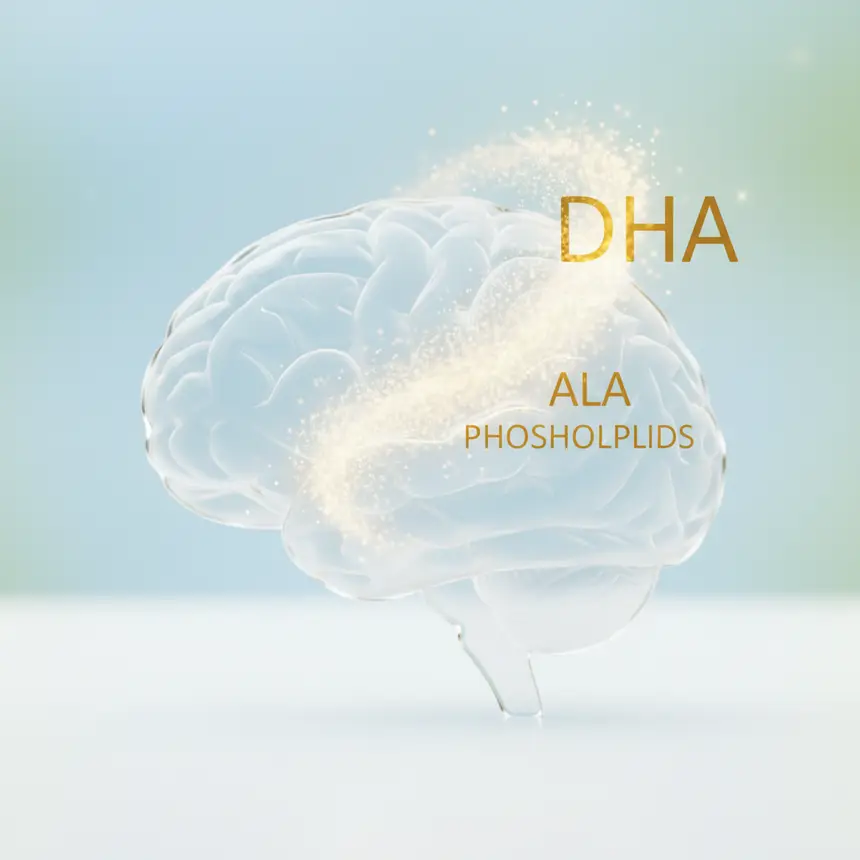
H2. Exploring Key Brain Builders: DHA, ALA, and Phospholipids
While various nutrients contribute to a child's brain development, particularly their language abilities, certain fatty acids are central. Essential fatty acids like DHA (Docosahexaenoic Acid) and ALA (Alpha-Linolenic Acid) are among the most important. DHA is widely recognized as a primary component of the brain and the retina of the eye, critically influencing cognitive function and visual development. ALA, a plant-based omega-3 fatty acid, can be converted into DHA within the body, making a balanced intake of both components incredibly important. After six months of age, when breast milk or formula intake typically decreases and fish consumption might still be limited, children are at a higher risk of not getting enough of these vital fatty acids, requiring special attention. Furthermore, phospholipids, such as phosphatidylcholine and phosphatidylserine, are also crucial structural elements of the brain, supporting nerve cell membrane function and facilitating smooth communication between brain cells. These nutrients work synergistically to promote brain growth and development. Ensuring a diverse intake through various sources, rather than focusing on just one, will help unlock your child's full potential. For instance, some vegetable oils (like flaxseed oil) and nuts are rich in ALA, and certain algae can be a source of DHA.
※ This post contains affiliate links. I may earn a commission at no extra cost to you.


H2. Smart Strategies for Effective Nutrient Intake
To effectively provide your child with the necessary brain-boosting nutrients, there are several practical approaches parents can consider. First, when selecting nutritional supplements, it's vital to check for a balanced ratio of specific components. For example, look for products where DHA and ALA are blended in appropriate proportions. Second, meticulously verify the source of the ingredients. Many parents prefer plant-based sources to alleviate concerns about microplastics or heavy metals from ocean pollution. Third, choosing a form and flavor that your child will readily accept is crucial. The market offers many products with appealing nutty flavors or neutral tastes, which can be given directly or mixed into your child's favorite snacks, such as fruit purees or yogurt. Fourth, maintaining the freshness of the product is an often-overlooked aspect. To minimize the risk of oxidation, it's advisable to select products that are individually portion-packed or come in smaller volumes designed for consumption within a short period after opening. Features like an open-date tracker can further aid in managing freshness effectively.

H2. Key Considerations for Supplementing Growing Children and Recommended Ages
When supplementing a growing child's diet with essential nutrients, a cautious approach is always warranted. Foremost among these considerations is safety. Opting for pure products free from artificial additives like synthetic colorings, sweeteners, or flavor enhancers is paramount for your child's well-being. Make it a habit to thoroughly check product labels to ensure no unnecessary ingredients are included. Secondly, consider whether the product is appropriate for your child's age and developmental stage. Generally, interest in nutritional supplementation often increases after six months of age, when solid foods are introduced and breast milk or formula alone may not suffice for certain nutrient needs. The period around two years old, when language development is particularly vibrant, can heighten the need for nutrients that support brain growth. However, before introducing any new nutritional supplement, it is always safest and wisest to consult with a pediatrician or a qualified health professional. They can confirm if it's appropriate for your child and advise on the recommended dosage. Tailoring nutritional care to your child's individual needs, guided by expert advice, is key.
Frequently Asked Questions
Q. Why is language development so crucial for toddlers around age two?
A. The toddler years, especially around age two, are a period of rapid cognitive and social-emotional development. Language is at the core of all this growth. The vocabulary and sentence-forming skills acquired at this stage significantly impact future learning abilities and social interactions, making active support crucial.
Q. How do DHA and ALA specifically benefit a child's brain development?
A. DHA is a major structural component of brain cell membranes, essential for cognitive functions like memory and learning. ALA, a plant-based omega-3 fatty acid, can convert into DHA in the body. Both work in balance to support healthy brain growth in children.
Q. What should parents prioritize when choosing nutritional supplements for their kids?
A. It's most important to ensure there are no unnecessary additives like artificial colors, sweeteners, or flavors. Also, consider if it uses plant-based ingredients, has a balanced ratio of DHA and ALA, and is packaged in small portions to prevent oxidation. Always consult a professional to ensure suitability for your child.
Q. What if my child refuses to take a specific nutrient supplement?
A. Try mixing small amounts into their favorite snacks like juice, yogurt, or fruit purees, or choose products that come in palatable flavors (like nutty) or tasteless forms. The key is to make it a pleasant experience rather than forcing it.
Q. Are plant-based sources for brain nutrients a better option for kids?
A. Yes, plant-based brain nutrients are increasingly preferred by many parents because they can alleviate concerns about heavy metals or microplastics from ocean pollution. They offer a safe and reassuring alternative for your child's dietary needs.