Learn the importance of maintaining an optimal 104-122°F (40-50°C) infant formula temperature and the correct preparation methods for your baby's healthy growth and comfortable feeding. Essential tips for new parents.

Ensuring Your Baby's Comfort: The Right Formula Temperature Makes All the Difference
As new parents, every day brings fresh challenges, especially when it comes to nourishing your little one. Preparing formula can often lead to questions and anxieties, particularly when your baby seems uncomfortable or refuses to feed. Many common issues, like fussiness or tummy upsets, can often be alleviated by simply getting the formula temperature just right. Properly prepared formula is crucial for your baby's comfortable digestion and optimal nutrient absorption. Formula that's too hot can scald your baby or degrade vital nutrients, while excessively cold formula might cause digestive discomfort or be outright rejected. Pediatric guidelines generally suggest a temperature between 104°F and 122°F (40°C-50°C) as ideal. Within this range, finding the specific temperature your baby prefers can significantly enhance their feeding experience. Mastering the correct formula temperature and preparation method is not just a recommendation; it's a fundamental step towards your baby's healthy and happy growth.
Mastering Formula Preparation: A Step-by-Step Guide for Parents
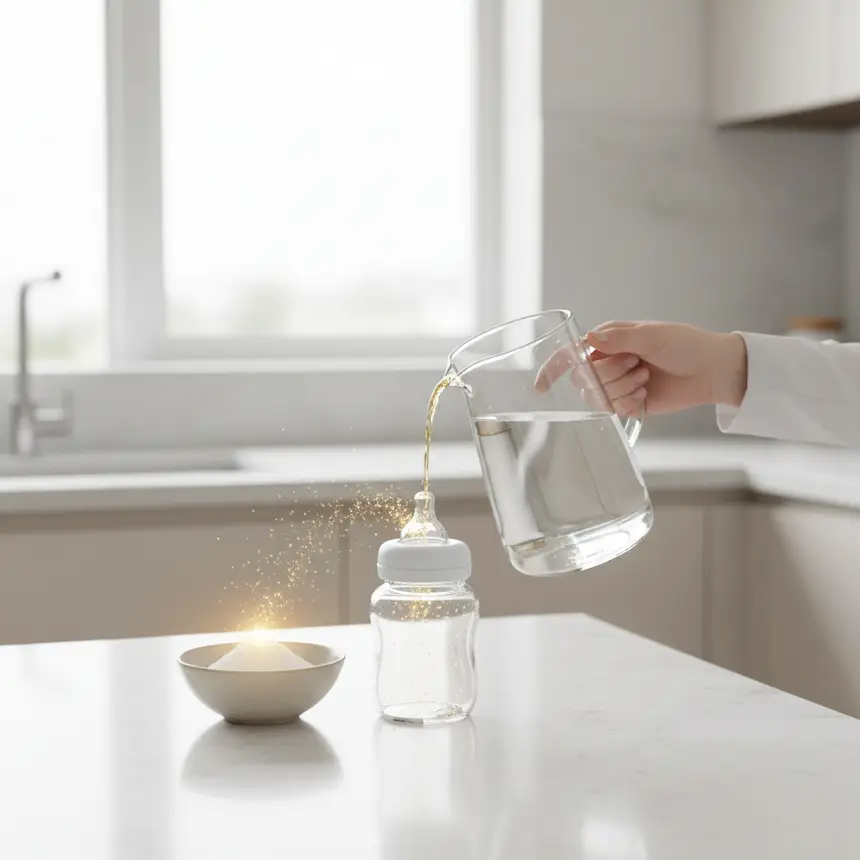
Preparing your baby's formula involves more than just mixing powder and water; it requires precise temperature control and accurate measurements. Begin by boiling fresh water to 212°F (100°C) to ensure sterility, then allow it to cool to the ideal feeding temperature of 104°F to 122°F (40°C-50°C). This temperature range ensures the formula powder dissolves thoroughly, minimizes nutrient degradation, and is safe for your baby's delicate mouth. Next, pour approximately one-third of the total water needed into a clean bottle. Using the scoop provided with the formula, measure the precise amount of powder as directed and add it to the water. Shake the bottle thoroughly until the powder is completely dissolved, preventing clumps and ensuring even mixing. Once the powder is dissolved, add the remaining two-thirds of the water to reach the desired feeding volume and gently shake again. Before offering the bottle to your baby, always perform a safety check: drip a small amount of formula onto the inside of your wrist. It should feel comfortably warm, not hot. Remember, different formula brands may have specific instructions or recommended temperatures, so always refer to the detailed guidelines on your formula's packaging for best results.
※ This post contains affiliate links. I may earn a commission at no extra cost to you.

Beyond the Basics: Essential Tips for Safe and Effective Formula Feeding
Maintaining the correct formula temperature directly impacts your baby's health and comfort. Formula that is too hot poses a burn risk and can destroy heat-sensitive vitamins and nutrients. Conversely, overly cold formula can upset your baby's stomach, leading to gas or discomfort, and might even cause your baby to refuse the feeding altogether. While at home, using an electric kettle with temperature control can help maintain consistency. However, managing temperature on the go, such as during outings or travel, requires a bit more ingenuity. Consider carrying pre-boiled, cooled water in an insulated thermos. When it's time to feed, you can mix it with powder and check the temperature with the wrist test, or ask for warm water at a restaurant to adjust the temperature. It's also important to recognize that while general guidelines exist, every baby is unique. Within the safe 104°F-122°F (40°C-50°C) range, pay attention to your baby's cues—their facial expressions, feeding eagerness, and digestive response—to pinpoint their personal comfort zone. Consistent observation and adjustment to their individual preferences are key to fostering healthy development. These guidelines are primarily relevant for infants and young toddlers consuming formula.
Frequently Asked Questions
Q. Why is the exact temperature of formula so important for babies?
A. The right formula temperature is crucial for proper digestion and nutrient preservation. Optimal warmth helps the powder dissolve well, aids in digestion, and prevents nutrient degradation from excessive heat. It also ensures the formula is comfortable for your baby's mouth.
Q. How can I accurately check formula temperature without a special thermometer?
A. The most common and effective method is to drip a small amount of formula onto the inside of your wrist. It should feel comfortably warm, not hot. This quick check is an essential step before every feeding.
Q. What are the risks if the formula is too hot or too cold?
A. If formula is too hot, it can scald your baby's mouth or damage vital nutrients. If it's too cold, it might cause digestive upset, colic, or cause your baby to refuse the feeding. Maintaining the correct temperature is crucial for safety and comfort.
Q. Is it safe to prepare formula in advance and store it?
A. Generally, prepared formula should be consumed within one hour of preparation or within 24 hours if stored immediately in the refrigerator. Always consult your formula brand's specific guidelines regarding storage, as recommendations can vary for safety.
Q. How do I manage formula temperature when traveling or out of the house?
A. When traveling, you can bring pre-boiled, cooled water in an insulated thermos. When it's time to feed, use this warm water to prepare the formula. Alternatively, you can ask for warm water at cafes or restaurants and adjust the temperature by mixing with cooler water, always checking on your wrist.