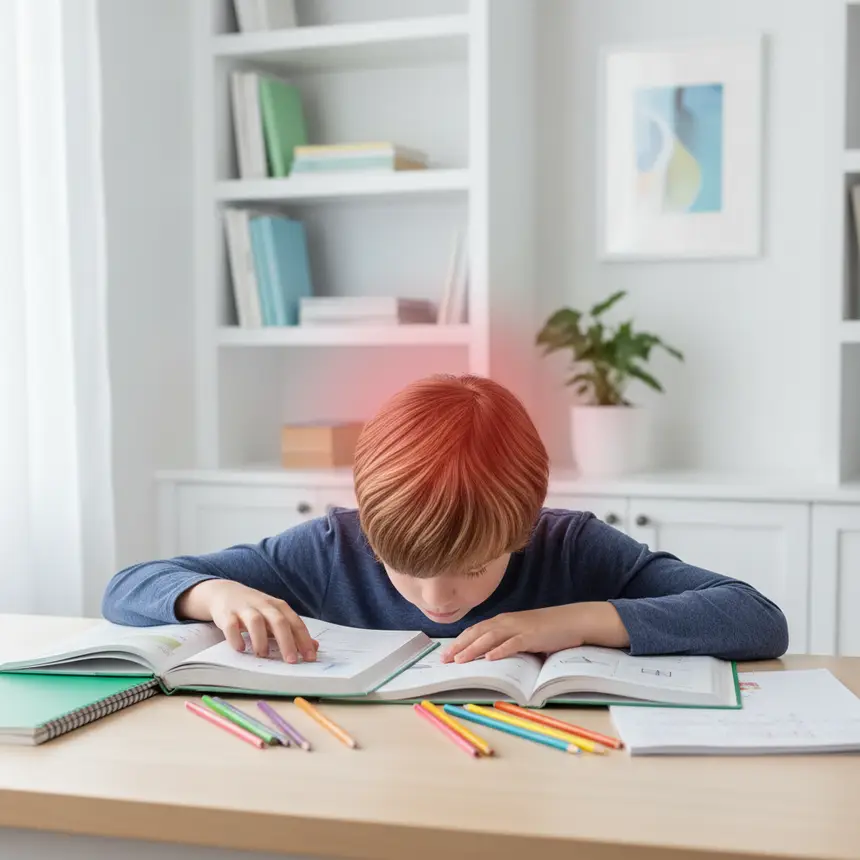
Elementary school posture correction is essential for your child's healthy development. Understand the causes of poor posture and help your child achieve healthy physical balance with effective exercises and lifestyle tips you can practice at home.

Does Your Child Stand Like This?
Have you noticed your child often has one shoulder sloped or walks with a hunched back? With increased screen time and reduced physical activity, more elementary school children are developing poor posture. Beyond just aesthetics, these postural imbalances can significantly impact a child's overall development. Proper posture during their growth years is crucial not only for balanced height and body development but also positively supports concentration in learning and builds self-confidence. Therefore, establishing good posture during the elementary school period is a vital investment in a healthy future. It's important for parents to observe their child's posture and take appropriate action before any discomfort arises.
Elementary School Posture Imbalance: Where Does It Begin?
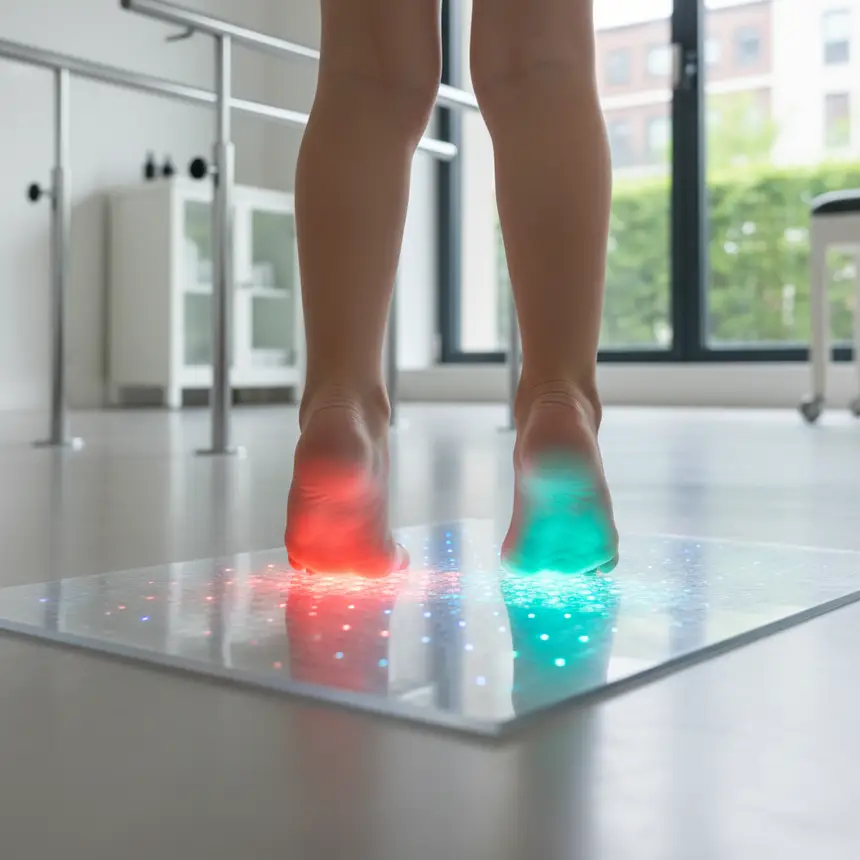
The reasons behind a child's poor posture are more diverse than one might think. Many parents focus solely on the back or shoulders, but often, the issue originates from the feet. If the foot, which makes direct contact with the ground, is unstable, the entire body's balance can be compromised. Specifically, loose or unsupportive shoes that force toes to grip can hinder proper foot muscle function, exacerbating postural imbalances. Furthermore, a tilted or rotated pelvis can lead to back pain and distort overall body alignment, while prolonged use of smartphones or computers can cause imbalances in the neck, shoulder, and back muscles. Unconscious habits like pushing out the belly or excessively arching the lower back also put strain on the spine, potentially negatively affecting growth in the long run. These detrimental habits accumulate, becoming obstacles to a child's physical development.
※ This post contains affiliate links. I may earn a commission at no extra cost to you.

Core Exercise Principles for Healthy Body Balance
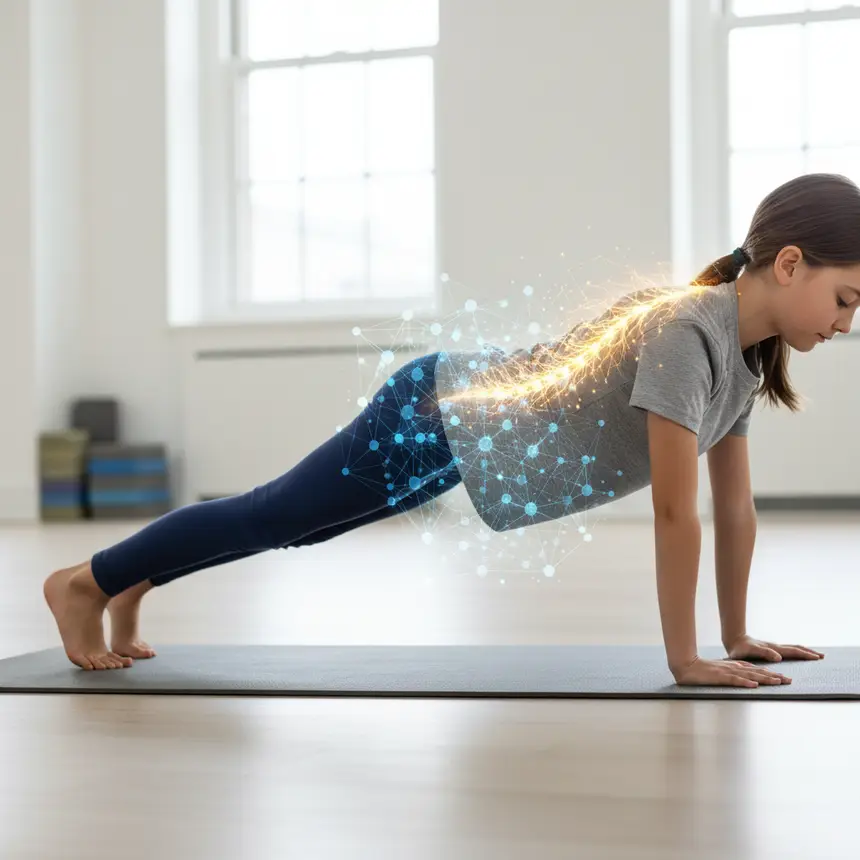
The essence of elementary school posture correction isn't just about fixing specific areas, but enhancing overall muscle balance and coordination. Various exercise methods can be utilized for this purpose. Firstly, strengthening core muscles is fundamental for all postures. Toning deep muscles around the abdomen, lower back, and pelvis provides the essential strength needed to stably support the spine and maintain correct posture. Exercises like lying on your back and lifting legs while keeping the lower back flat, or resistance exercises using bands, are effective. Secondly, improving balance and body awareness is also crucial. Activities such as standing on one foot to maintain balance or balancing on unstable surfaces help children better feel and control their bodies. Experiencing self-awareness of physical imbalances by walking with closed eyes can also be beneficial. Thirdly, developing full-body strength lays a solid foundation for continuous growth. Resistance training with light weights or bodyweight exercises positively stimulate growth plates and promote harmonious development of muscles and bones. For instance, there are exercises that strengthen shoulder and back muscles to help correct a hunched posture. These exercises are even more effective when approached as games to engage children's interest.

Home-Based Habits to Improve Your Child's Posture
Beyond using professional exercise facilities, there are many methods you can consistently practice at home. Here are practical tips to help improve your child's postural habits:
- Choose appropriate footwear: Select shoes that provide stable support for your child's feet and allow toes to move freely. It's best to avoid shoes that are too loose or overly cushioned, as these can destabilize the foot. Simply wearing functional shoes that fit well can greatly aid in posture improvement.
- Make exercise fun: For children, exercise must be enjoyable to be sustainable. Incorporate play elements such as jump games, simple stretching challenges, or moving to music to naturally increase their physical activity. Parental involvement can further boost a child's interest and motivation.
- Daily posture checks: Frequently check and gently correct your child's posture during daily activities like watching TV, reading, or eating. Pay close attention to sitting and walking postures, encouraging good posture to become a habit. For example, you can practice walking by pressing the entire sole of the foot evenly against the ground.
- Be a role model: Children often emulate their parents. Maintaining good posture and healthy lifestyle habits yourself is the best education you can provide for your child.
Good Posture: The Cornerstone of Your Child's Healthy Future
A child's growth period is a critical time for developing proper posture and building a healthy physical foundation. Posture correction during elementary school goes beyond mere external changes; it deeply influences spinal health, musculoskeletal development, and even emotional stability and self-confidence. Parental attention and effort are crucial before imbalances stemming from foot issues spread throughout the body and incorrect habits become ingrained. By consistently applying the core exercise principles and practical tips provided today, your child can grow up strong with a balanced body. Good posture serves as the strongest cornerstone for the healthy and vibrant future your child will build. Start now on a journey with your child to joyfully move their body and cultivate good postural habits.
Frequently Asked Questions
Q. Why is posture correction important for elementary school children?
A. Proper posture in growing elementary school children supports balanced development of the spine and skeleton, positively affecting height growth. Good posture also reduces fatigue, enhancing concentration in learning, and plays a crucial role in building self-confidence. Long-term, it helps prevent pain or conditions caused by imbalances.
Q. What kind of shoes are beneficial for a child's posture?
A. Shoes that fit a child's foot shape well, stably support the sole, and allow toes to move naturally are ideal. Avoid shoes that are too loose or excessively cushioned, which can make the foot unstable. Choosing functional athletic shoes or shoes that properly enclose the entire foot is advantageous for maintaining posture.
Q. Are there simple posture correction exercises that can be done at home?
A. Yes, there are activities to strengthen core muscles and improve balance with your child at home. Examples include lying on your back and lifting legs while keeping the lower back flat, standing on one foot to balance, and wall stretches where you stand with your back against a wall and tuck your chin. Approaching these as games can be very effective.
Q. What should I do if my child gets bored with posture correction exercises?
A. Incorporating game elements to stimulate your child's interest is effective. For instance, dancing to music, jumping games, or friendly competitions with parents can make exercise feel like play. The key is to do it consistently and enjoyably, even for short periods each day.
Q. How long does posture correction typically take?
A. Posture correction is a process that requires consistent effort rather than achieving results in a short period. It varies depending on the child's existing postural habits and degree of imbalance, but usually requires several weeks to months of continuous attention and effort. The important thing is to form habits of maintaining good posture in daily life and to exercise regularly.