Discover the importance of proper bathing and moisturizing for healthy newborn skin. Learn effective routines and practical tips to strengthen your baby's skin barrier.
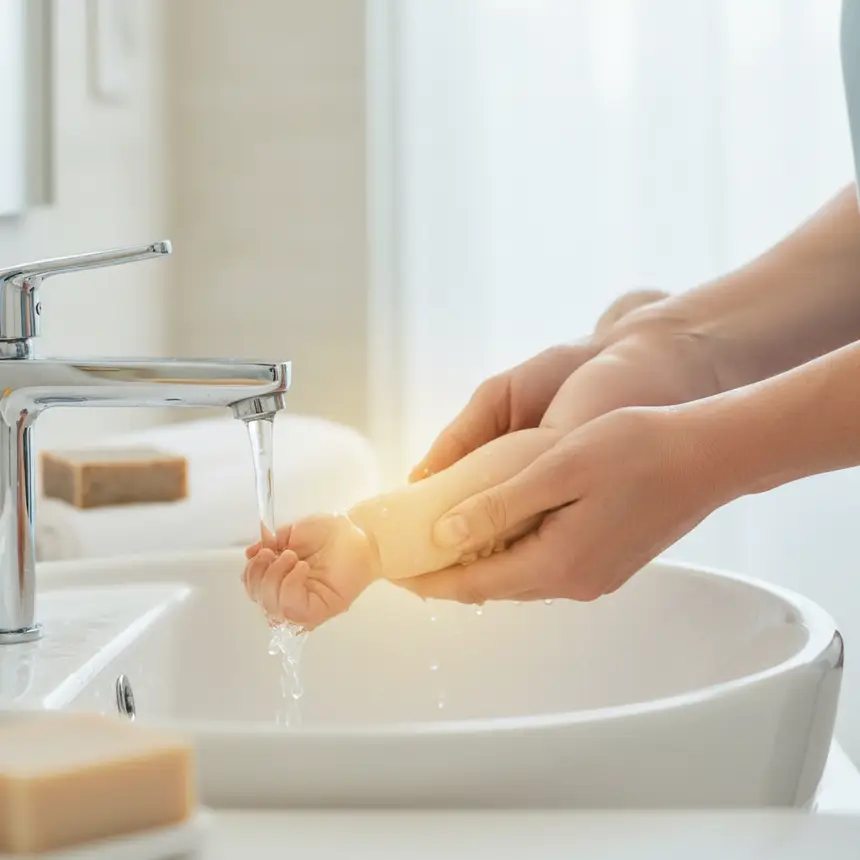
Navigating the Delicate World of Newborn Skin: A Parent's First Steps
A newborn's skin is incredibly delicate and reacts sensitively to almost everything in their new environment. It's much thinner than adult skin and its protective barrier isn't fully developed, making it prone to dryness and redness. Many new parents feel overwhelmed by the task of caring for this precious skin. Bath time, a beautiful opportunity for bonding, can also be a source of anxiety regarding potential skin irritation. Questions like 'Which products should I use?', 'How often should I bathe my baby?', and 'What's the best post-bath care?' are common. These concerns stem from a natural desire to protect your baby's well-being. Gaining knowledge about proper newborn skin care can empower you to nurture your baby's skin, making it stronger and more comfortable.
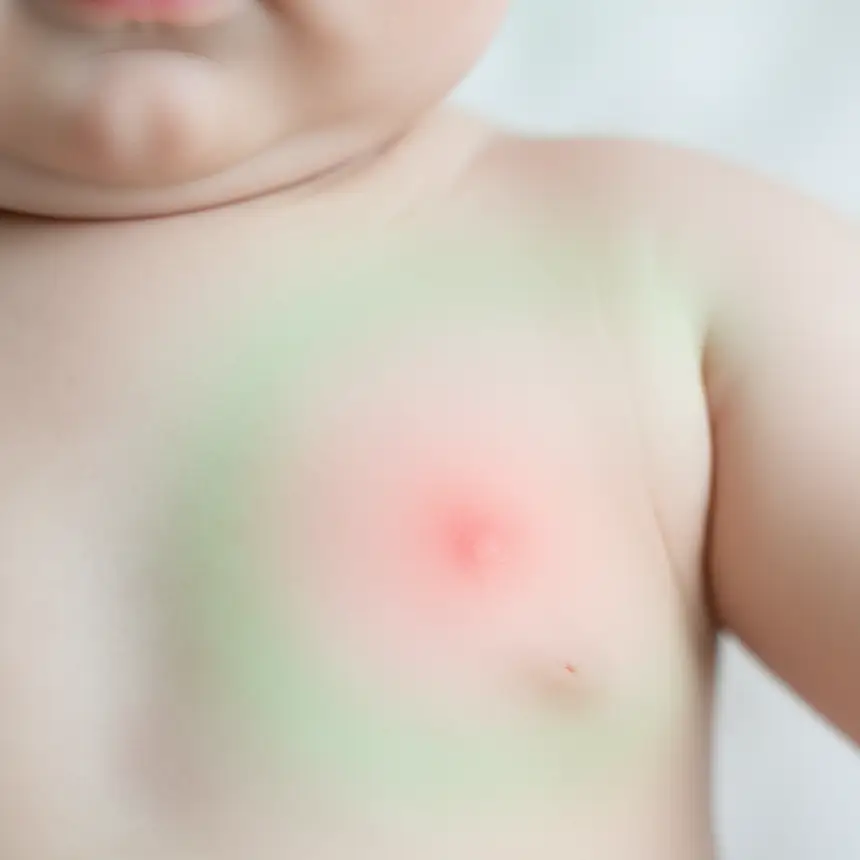
Why Does Newborn Skin Need Special Attention?
Infant skin differs significantly from adult skin in several key ways. Firstly, its thickness is roughly one-third of an adult's, rendering it more vulnerable to external irritants and leading to rapid moisture loss. Secondly, the skin's protective barrier hasn't yet fully matured, making it easier for environmental pollutants or allergens to penetrate. This immature skin barrier can expose babies to various issues such as dryness, itchiness, and redness. Furthermore, harsh cleansing agents or artificial fragrances can cause unnecessary irritation to this sensitive skin, potentially worsening its condition. Therefore, understanding the unique characteristics of newborn skin and applying gentle, appropriate care methods is paramount to maintaining your baby's skin health.
※ This post contains affiliate links. I may earn a commission at no extra cost to you.

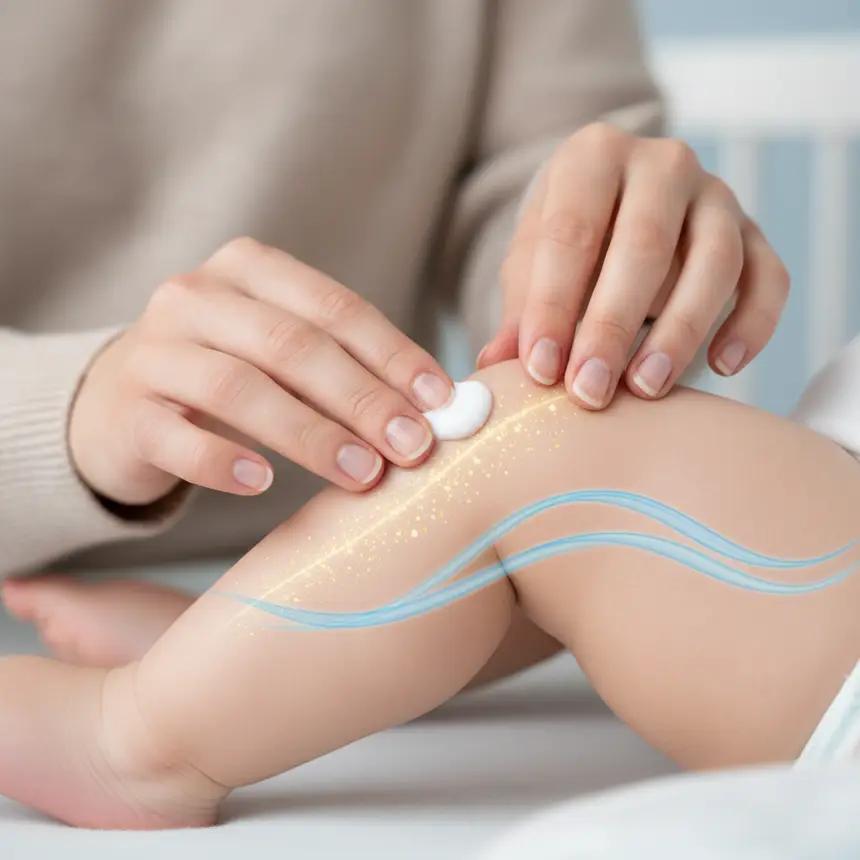
Building a Strong Skin Barrier: The Bath and Moisturizing Routine
- Gentle Cleansing for Minimal Irritation: Keep baby bath times short and sweet. Opt for mild cleansing products designed for infants that cleanse gently without irritation, using lukewarm water. All-in-one solutions that can be used from head to toe can help shorten bath time and maintain your baby's body temperature. Products that produce a rich lather but rinse off easily are ideal, leaving no residue behind. Focus on mild ingredients that respect the skin's natural oil-water balance rather than harsh cleansing power.
- Moisturize Within 3 Minutes Post-Bath: After a bath, skin rapidly loses moisture. It's crucial to gently pat your baby dry and apply a generous amount of moisturizer within three minutes. For dry and sensitive baby skin, choose a cream-type moisturizer that forms a protective barrier to prevent moisture loss and keep the skin hydrated. Look for products that absorb smoothly without stickiness, ensuring your baby's comfort.
- Enhance Moisturizing Based on Season and Skin Condition: During drier seasons or if your baby's skin feels particularly dry, you can layer a gentle massage oil over the moisturizing cream to boost hydration. The oil creates a thin film on the skin's surface, further preventing moisture evaporation. Using a mild oil that absorbs without leaving a greasy residue allows for a soothing massage while helping to keep the skin supple and soft.

Consistent Care and Attentive Habits for Healthy Skin
A baby's skin changes daily, so it's essential to observe it consistently and respond thoughtfully to any changes. Stick to a regular routine, but also pay close attention to minor shifts in your baby's skin condition. If the skin appears unusually dry or red, consider stepping up your moisturizing efforts or re-evaluating the ingredients in the products you're using. Maintaining appropriate indoor humidity and dressing your baby to prevent excessive sweating are also important. Bathing and moisturizing are more than just hygiene; they are vital steps in strengthening your baby's skin barrier and fostering a healthy skin environment. Through these consistent efforts, your baby develops the natural resilience to protect themselves from external irritants. A parent's continuous attention and love, expressed through thoughtful care, will not only benefit your baby's skin but also positively contribute to their overall comfort and sense of security, creating a happier daily life for both you and your little one.
Frequently Asked Questions
Q. Should I bathe my baby every day?
A. For newborns, bathing every other day might be more suitable than daily baths. For babies with dry skin, frequent bathing can exacerbate dryness, so it's important to adjust based on their skin condition. When bathing, either use plain water or a small amount of a very mild cleanser.
Q. How do I choose the right baby moisturizer?
A. When selecting a baby moisturizer, prioritize products free from artificial fragrances, dyes, and certain preservatives that can irritate sensitive skin. Look for formulations containing ceramides, which help strengthen the skin barrier, or those specifically formulated for infants. It's best to patch-test a small amount of several products to find what works best for your baby's skin.
Q. What's the best way to apply moisturizer after a bath?
A. The most effective time to apply moisturizer is immediately after a bath, when the skin is still slightly damp. Dispense a generous amount into your hands, warm it slightly with your body temperature, and then gently massage it all over your baby's body. Pay extra attention to folds, cheeks, and limbs, which are prone to dryness.
Q. What should I do if my baby develops red spots or a rash?
A. If your baby develops red spots or a rash, first check if the cleanser or moisturizer you're using might be irritating their skin, and consider switching to milder products. Maintaining appropriate indoor humidity and ensuring your baby isn't overdressed to prevent sweating are also important. If the symptoms worsen or don't improve, it's wise to consult a pediatrician for an accurate diagnosis and guidance.