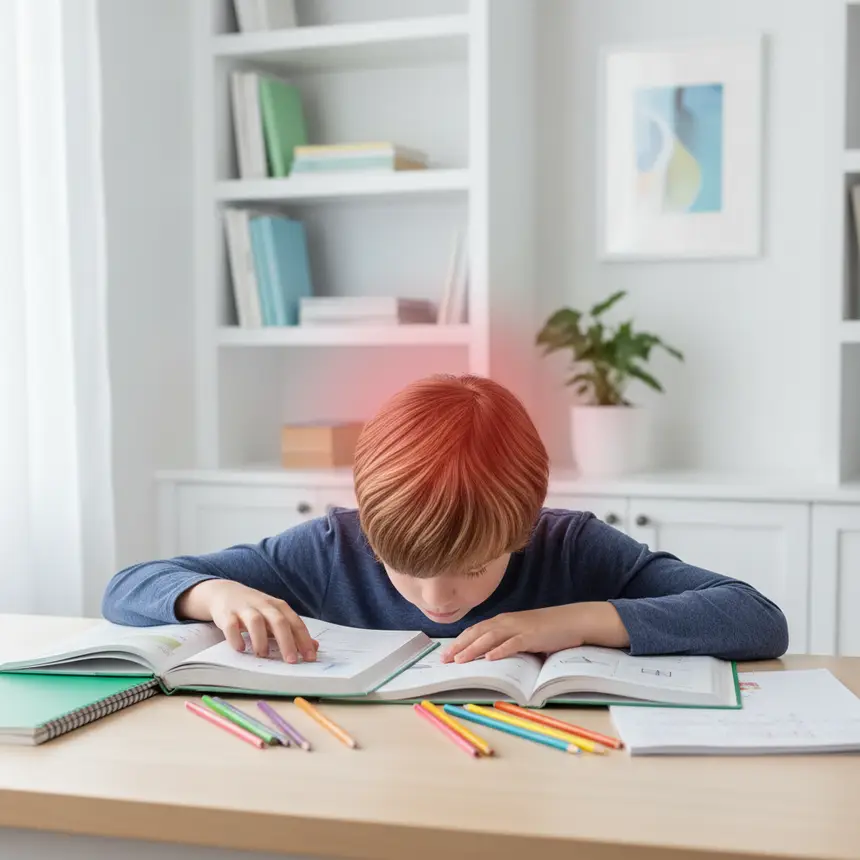
If your child isn't sleeping soundly at night, it's time to review their sleep environment. Discover our guide to creating an optimal sleep space for your child's deep sleep and respiratory health, ensuring peaceful nights for the whole family.

Restless Nights for Our Children: A Parent's Deepest Concern
When a child frequently wakes up at night, struggling with coughs or a stuffy nose, it’s not just disruptive; it’s a source of profound worry and exhaustion for parents. It's common to see a child seemingly settle down for sleep, only to toss and turn or cry out in the early hours of the morning due to breathing discomfort. While easily dismissed as a simple cold, such interrupted sleep can significantly hinder a child's growth and development. A child deprived of sufficient rest may face challenges with daytime activities and emotional regulation, placing considerable psychological strain on parents. To ensure a peaceful night's sleep for your little one, it's crucial to identify and address the root causes of their discomfort in the sleep environment.
How Your Child's Sleeping Environment Affects Respiratory Health
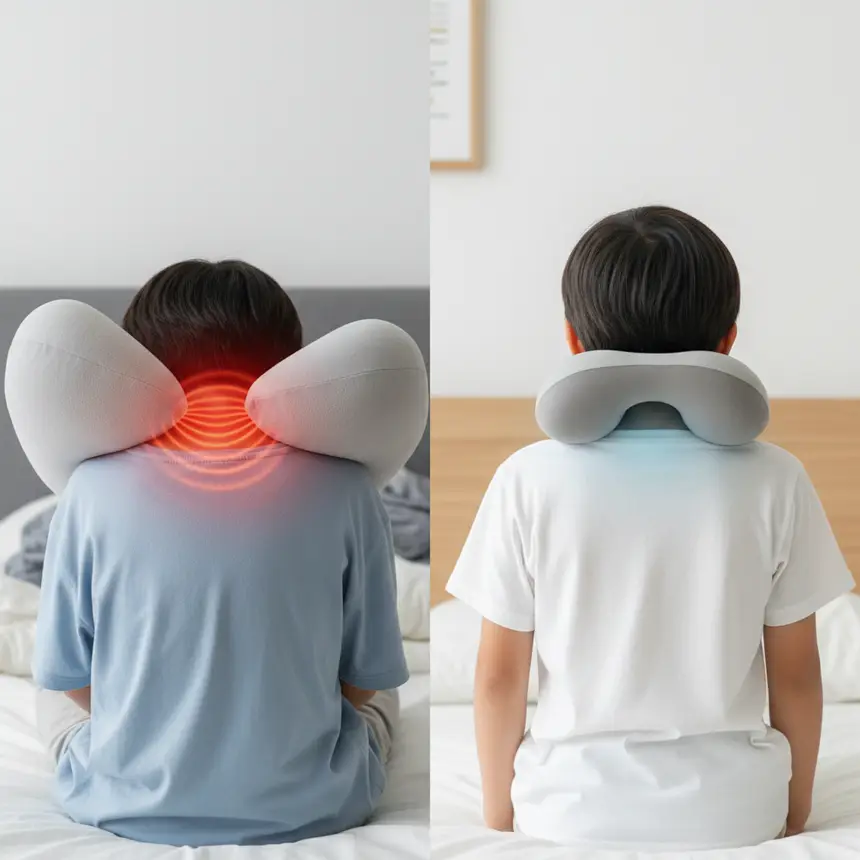
Young children are inherently more vulnerable to respiratory issues during the night compared to adults, owing to their smaller airways and still-developing immune systems. This vulnerability can become more pronounced if their sleeping posture or surrounding environment is not optimized. Crucially, the support system for a child's head and neck plays a far more significant role than many parents realize. Using an adult-sized head support, for instance, can be ill-suited for a child's anatomy, potentially causing their neck to bend at an unnatural angle or restricting their breathing. A support that allows the head to sink too deeply can obstruct airflow, leading to a stuffy nose or coughs. Furthermore, materials with poor breathability can trap heat and moisture, making it difficult for the child to regulate their body temperature and creating a damp environment conducive to microbial growth, thus requiring careful consideration.
※ This post contains affiliate links. I may earn a commission at no extra cost to you.


Key Elements for a Comfortable Sleep Space: Choosing the Right Head Support
To foster deep sleep and good respiratory health in children, the selection of sleep environment components, especially the head support, is paramount. Consider these three criteria when choosing the optimal support for your child:
- First, prioritize materials with excellent breathability. Materials that allow for proper air circulation effectively manage your child's heat and sweat throughout the night, ensuring a comfortable sleep environment. This can help reduce the likelihood of stuffy noses or coughing.
- Second, ensure the support has appropriate height and firmness. It's crucial to select an ergonomically designed product that allows your child's head, neck, and spine to maintain a natural, straight alignment, avoiding supports that are either too high or too low. This design helps keep the airways open and promotes comfortable breathing.
- Third, verify that the material is free from common allergens and safe for sensitive skin. Since sensitive children can react to even minor irritants, choosing products made from hypoallergenic and easily maintainable materials is advisable. Consider options that retain their shape well after frequent washing or those that dry quickly due to good ventilation.
Practical Steps for Creating Your Child's Ideal Sleep Environment
Crafting a comfortable sleep environment for your child begins with observant parenting and practical implementation. Start by checking if your child's current head support is too high or too low, or perhaps too plush, causing their head to sink excessively. When selecting a new head support, it's wise to compare various options against the criteria of breathability, appropriate height and firmness, and safe materials.
- Closely observe your child's reactions to any changes. It may take time for them to adjust to new sleep accessories. Patience is key; rather than rushing the process, allow your child the time they need to feel comfortable.
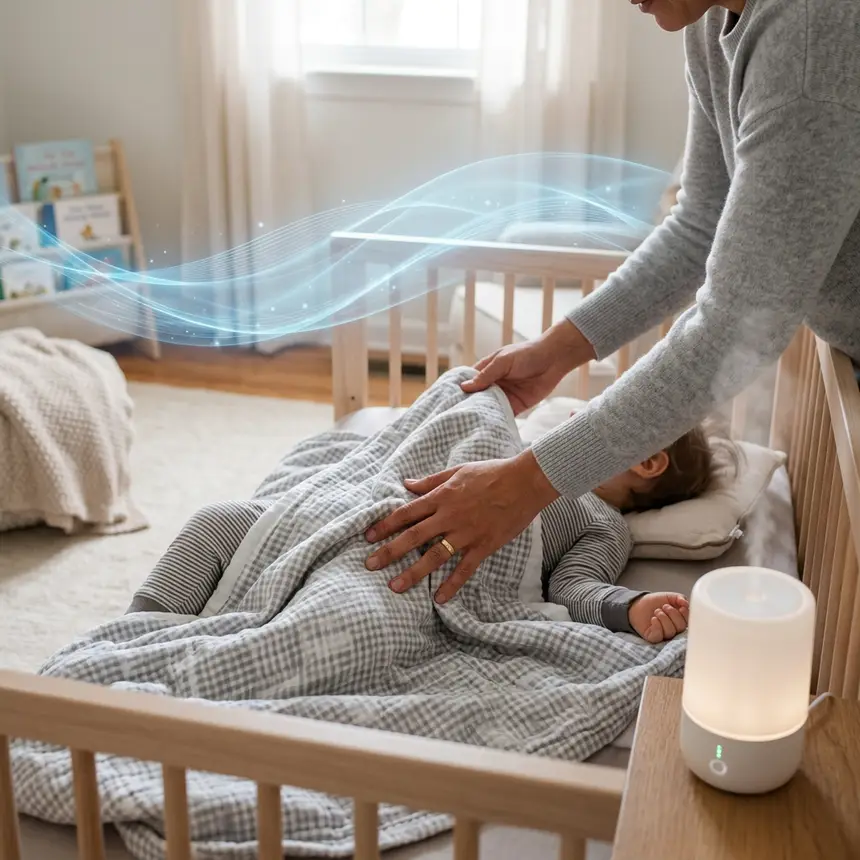
- Maintaining the surrounding sleep environment is also essential. Ensure optimal indoor humidity levels, provide clean air through regular ventilation, and maintain cleanliness. Additionally, make sure all bedding materials used by your child are hypoallergenic and are regularly washed to ensure proper hygiene. These small, consistent efforts collectively form a strong foundation for your child's deep sleep and healthy development.

The Small Change, Big Miracle: Peaceful Nights for Children and Parents Alike
The nights spent awake, disturbed by your child's restless tossing and coughing, can be a source of immense distress for parents. However, a small adjustment and increased attention to the sleep environment, particularly the support for your child's head and neck, can bring about surprisingly positive changes in their sleep patterns. One parent shared that after upgrading their child's sleep support, their child, who previously woke every 2-3 hours, now consistently sleeps deeply for 6-7 hours or more. This improvement extends beyond just more sleep, positively impacting the child's energy levels and emotional stability during their waking hours.
Your child's deep sleep is a critical foundation for healthy growth and development. For parents watching over their child, it brings profound relief and happiness. Why not take this opportunity to re-evaluate your child's sleep environment and consider making a small but impactful change? By providing your child with a comfortable and pristine sleep space, you can pave the way for peaceful and joyful nights for your entire family.
Your child's deep sleep is a critical foundation for healthy growth and development. For parents watching over their child, it brings profound relief and happiness. Why not take this opportunity to re-evaluate your child's sleep environment and consider making a small but impactful change? By providing your child with a comfortable and pristine sleep space, you can pave the way for peaceful and joyful nights for your entire family.
Frequently Asked Questions
Q. How can I tell if my child's head support is the right height?
A. The ideal height ensures that your child's head, neck, and spine form a natural, straight line when they are lying down. From a side view, their neck should not be overly bent, nor should their head sink too low. Generally, young children require a lower profile support than adults.
Q. What are the main factors in a child's sleep environment that affect their respiratory health?
A. Key factors include - restricted breathing due to lack of breathability in materials - airway compression from an improper sleeping posture - and the potential accumulation of allergens. Maintaining a fresh and hygienic environment is crucial.
Q. What should I do if my child doesn't adapt well to a new sleeping accessory?
A. Many children need time to adjust to new items. Initially, try letting them use it for short periods during the day to get familiar with it. If they show resistance, avoid forcing it; instead, wait a while and try again. Give them time to adapt gradually.
Q. What are effective ways to keep a child's sleep area clean?
A. Bedding should be washed regularly and air-dried or sun-dried to sanitize it. Frequently wash pillow covers, and allow the inner core of the head support to air out to prevent moisture buildup. Using an air purifier or regularly ventilating the room to maintain air quality is also beneficial.
Q. Besides sleep accessories, what other steps can parents take to help their child sleep deeply?
A. Beyond sleep accessories, other positive actions include - establishing a consistent sleep schedule (bedtime and wake-up time) - encouraging calm activities like reading before bed instead of strenuous play - maintaining an optimal room temperature (68-75°F or 20-24°C) and humidity (50-60%) - and a warm bath before bedtime to relax the child. These can all contribute to better sleep.