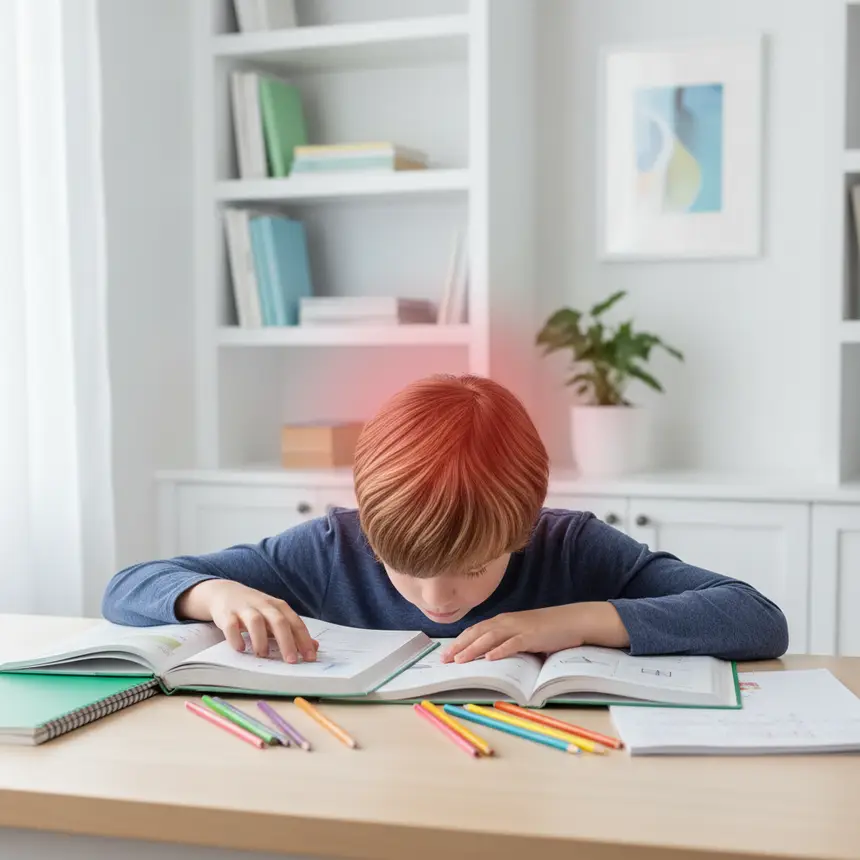
Elementary school can be a time of significant stress for children. Discover how active parental empathy and support can build your child's emotional resilience and problem-solving skills. Learn practical strategies to help your child thrive emotionally and academically.

H2 Building a Strong Emotional Foundation for Your Child
The elementary school years are a period when children are particularly susceptible to stress, navigating new academic demands and complex social dynamics with peers. During this crucial stage, a parent's ability to effectively manage and support their child's stress is paramount to their overall development and emotional well-being. Attentive care and appropriate guidance from parents empower children to recognize their emotions and express them constructively. This foundation is essential for them to confidently tackle challenging situations as they arise. The goal is not merely to solve their immediate problems, but to equip them with the internal strength to process their feelings independently, helping them adapt flexibly to external stressors like peer conflicts or academic pressures, leading to a healthier and more fulfilling school experience.

H2 Understanding and Communicating Through Emotional Language
When a child is experiencing stress, it's vital for parents to observe behavioral changes closely and strive to understand the underlying emotions. For example, increased irritability, reduced appetite, or irregular sleep patterns—deviating from their usual behavior—could signal internal distress. The key is to view these changes not just as "bad behavior" but as a form of emotional communication. Children often struggle to articulate complex feelings with precise words. Therefore, parents should take the initiative to interpret their child's emotions and open a dialogue. Instead of direct questions like, "What happened at school today?", try an empathetic approach such as, "You seem a bit down lately, and I'm worried. Would you like to tell Mom/Dad what's on your mind?" When a child does express their feelings, it's crucial to listen without judgment or criticism, creating a safe environment where they feel comfortable sharing openly.
※ This post contains affiliate links. I may earn a commission at no extra cost to you.


H2 Practical Strategies for Empowering Your Child with Problem-Solving Skills
To effectively help children cope with stressful situations, practical strategies are essential.
- Emotional Coaching and Empathetic Dialogue: When your child expresses feelings like "I'm angry" or "I'm upset," it's important to validate their emotions by saying, "It sounds like you're feeling [emotion], and it's perfectly normal to feel that way." Naming their emotions helps children recognize and regulate them. Afterward, gently guide them to identify the source of their distress by asking, "What exactly made you feel so overwhelmed?" This encourages them to pinpoint the root of the problem themselves.
- Role-Playing Scenarios: Practicing various conflict situations that a child might encounter at school through role-play can be incredibly beneficial. For instance, set up a scenario like, "What would you say if a friend took your toy without asking?" and explore different responses together. Through this safe practice, children learn how to assert themselves clearly, ask for help, and develop confidence in responding appropriately when faced with real-life challenges, reducing their anxiety. These hands-on approaches are crucial for helping children not just avoid problems, but actively seek solutions and cultivate essential competencies for healthy growth.

H2 The Importance of Ongoing Support and Professional Guidance
Managing elementary school stress is not a one-time fix but an ongoing journey that requires consistent attention and support. As children grow, the sources and expressions of stress can change, so parents must remain attuned to these shifts and provide unwavering support. If a child's stress becomes severe enough to disrupt daily life, or if parental efforts alone prove insufficient, seeking professional help should be seriously considered. Consulting with child psychologists or counselors can be immensely beneficial, offering objective insight and helping the child develop healthy coping mechanisms. This is never a sign of parental failure but a wise decision to support a child's healthy development. The most important thing is to ensure they don't face these difficulties alone, and that parents consistently provide the strength and guidance needed to navigate them together as steadfast allies.
Frequently Asked Questions
Q. How can I recognize the signs of stress in my elementary school child?
A. You might notice behavioral changes such as increased irritability, unexplained crying, or shifts in sleep patterns or appetite. They may also appear withdrawn, lack motivation, or express reluctance to go to school.
Q. How should I communicate with my child if they're not talking much about their feelings?
A. Instead of direct questioning, try expressing your own concern first, like "I've noticed you seem a bit sad lately, and I'm worried about you." This creates an empathetic atmosphere that can encourage your child to open up. Give them space, wait until they're ready to talk, and create a calm, comfortable environment for conversation.
Q. How does role-playing help with a child's stress management?
A. Role-playing provides a safe space for children to practice how they might react and cope in real-life stressful situations. This helps them learn to express their needs, ask for help, reduce anxiety in actual scenarios, and build confidence in their responses.
Q. What should I do if I feel unable to manage my child's stress effectively on my own?
A. If your child's stress persists or worsens despite your best efforts, it's wise to seek help from external professionals like child psychologists or counselors. This provides your child with specialized, objective support to foster healthy development and is a proactive step, not a sign of parental inadequacy.