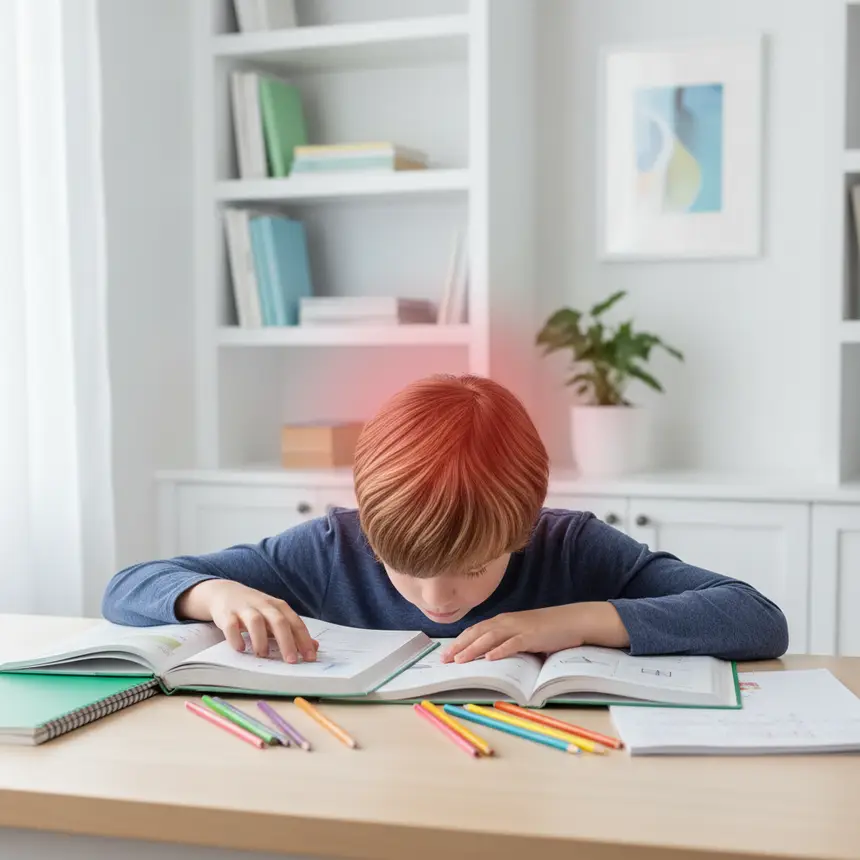
Explore effective physical activity habits for your elementary-aged child's healthy growth and development. This guide covers the positive impact of regular exercise on height, physical fitness, and cognitive skills from an expert perspective.

The Impact of Decreased Physical Activity on Child Development
In today's fast-paced world, many elementary-aged children are spending an increasing amount of time indoors, often due to factors like increased screen time and limited access to safe outdoor play areas. This decline in physical activity goes beyond just a dip in energy levels; it can significantly affect a child's overall growth and development. Insufficient regular movement might contribute to slower physical growth, unhealthy weight gain, and a weakened immune system. It can even influence a child's ability to concentrate and manage their emotions effectively. Children naturally learn and explore their environment through physical engagement, so a lack of activity can mean missing out on crucial developmental milestones. Parents often find themselves grappling with how to ensure their children develop healthy exercise habits that support their well-being.
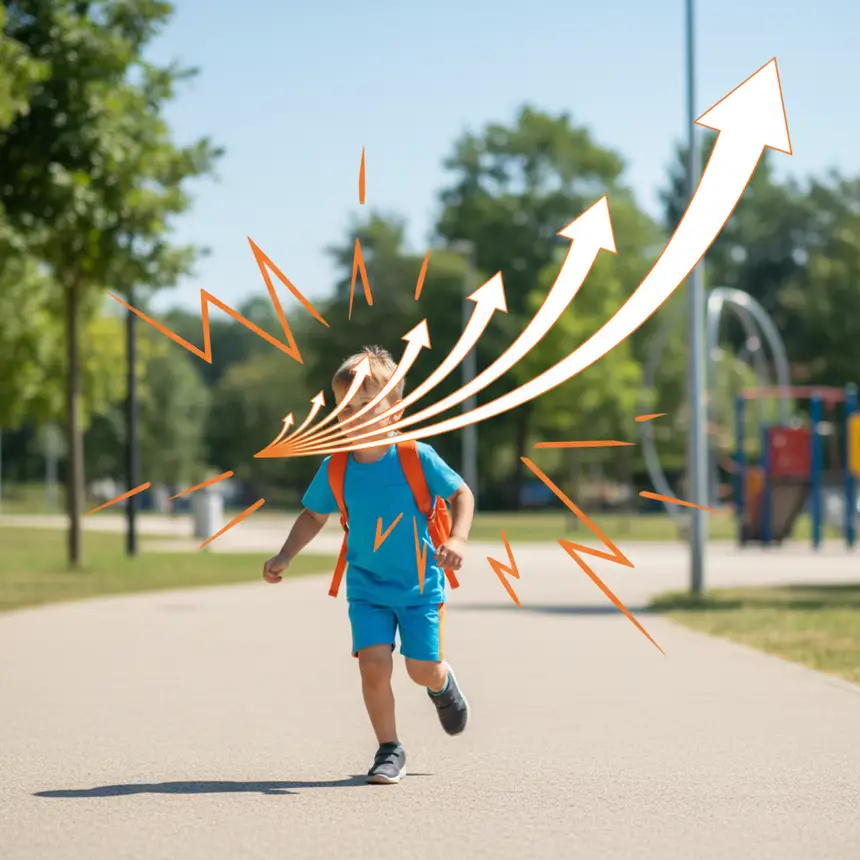
Smart Choices for Physical Activity to Unlock a Child's Growth Potential
For a child's healthy growth and comprehensive development, engaging in various types of physical activities is essential. Consistent exercise builds strong bones, develops muscles, and improves cardiovascular health, laying the foundation for physical well-being. Especially for elementary school children, activities that involve the whole body without putting excessive strain on joints are highly recommended. For instance, dynamic outdoor movement sports can significantly enhance balance and lower body strength, positively influencing height development. Activities like ball games, running, or cycling also aid in developing endurance and coordination.
Establishing adequate exercise time is equally important. Aim for at least 60 minutes of moderate-intensity physical activity daily. Regular evening exercise can promote better sleep, creating an environment conducive to rest and growth. The most crucial aspect is helping your child see exercise as fun and engaging, like play. Starting with proper safety gear and learning basic techniques gradually can prevent injuries and help maintain their interest. For example, selecting adjustable equipment, such as shoes that can be resized, offers an economical long-term solution as your child grows. Providing opportunities for both indoor and outdoor activities ensures consistent engagement regardless of weather. Learning a new sport together or enjoying weekend outdoor activities as a family can greatly assist in forming lasting exercise habits for your child.
Establishing adequate exercise time is equally important. Aim for at least 60 minutes of moderate-intensity physical activity daily. Regular evening exercise can promote better sleep, creating an environment conducive to rest and growth. The most crucial aspect is helping your child see exercise as fun and engaging, like play. Starting with proper safety gear and learning basic techniques gradually can prevent injuries and help maintain their interest. For example, selecting adjustable equipment, such as shoes that can be resized, offers an economical long-term solution as your child grows. Providing opportunities for both indoor and outdoor activities ensures consistent engagement regardless of weather. Learning a new sport together or enjoying weekend outdoor activities as a family can greatly assist in forming lasting exercise habits for your child.
※ This post contains affiliate links. I may earn a commission at no extra cost to you.

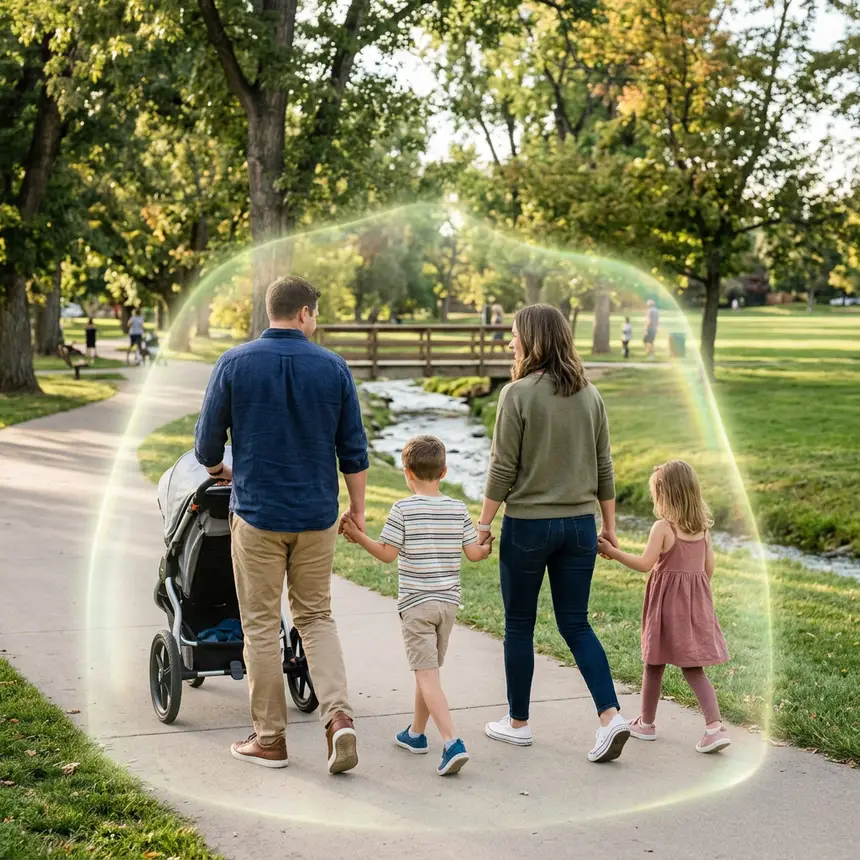
Consistent Exercise Habits: An Investment in a Healthy Future
A child's healthy growth and development are not just about physical changes; they are crucial factors that determine their overall quality of life. As emphasized, regular exercise habits for elementary school children contribute deeply to not only physical health but also emotional stability and cognitive improvement. Through physical activity, children can relieve stress, experience a sense of accomplishment, and build self-esteem. Additionally, engaging in activities with peers helps them develop social skills, teamwork, and problem-solving abilities.
When establishing exercise habits, there are several key considerations. First, choose activities that align with your child's interests and aptitudes, as forced exercise can be counterproductive. Second, ensure adequate hydration and a nutritious diet to optimize exercise performance and aid in quick recovery. Third, excessive or strenuous workouts increase the risk of injury, so always monitor your child's physical state and ensure they get proper rest. Simply playing at a local park for 30 minutes daily or taking family walks in nature on weekends can provide sufficient physical activity for a child. Encourage them to experience the joy and satisfaction that comes from movement, helping them cultivate healthy habits that will last a lifetime. This is perhaps the most valuable investment you can make in your child's healthy future.
When establishing exercise habits, there are several key considerations. First, choose activities that align with your child's interests and aptitudes, as forced exercise can be counterproductive. Second, ensure adequate hydration and a nutritious diet to optimize exercise performance and aid in quick recovery. Third, excessive or strenuous workouts increase the risk of injury, so always monitor your child's physical state and ensure they get proper rest. Simply playing at a local park for 30 minutes daily or taking family walks in nature on weekends can provide sufficient physical activity for a child. Encourage them to experience the joy and satisfaction that comes from movement, helping them cultivate healthy habits that will last a lifetime. This is perhaps the most valuable investment you can make in your child's healthy future.
Frequently Asked Questions
Q. How much exercise do elementary school children typically need each day?
A. Most experts recommend that elementary school children get at least 60 minutes or more of moderate-to-vigorous physical activity daily. This can be achieved all at once or broken into several shorter sessions throughout the day.
Q. What types of exercises are generally considered beneficial for physical growth?
A. While there's no 'magic bullet' exercise for height, aerobic activities that involve full-body movement and provide moderate joint stimulation, such as jumping rope, basketball, swimming, or cycling, positively impact overall growth and development. Adequate sleep and a balanced diet are equally important.
Q. My child doesn't like to exercise. How can I make it more appealing?
A. The key is to find activities your child enjoys and approach them as play rather than chores. Suggest activities they can do with friends or as a family, and set small, achievable goals to foster a sense of accomplishment. Helping them discover the joy of movement through varied experiences is often the most effective approach.
Q. Is indoor or outdoor exercise better for kids?
A. Both indoor and outdoor activities offer unique benefits, so a combination is usually best. Outdoor exercise provides opportunities for vitamin D synthesis from sunlight and exposure to nature, while indoor options allow for consistent activity regardless of weather. The most crucial factor is consistency.