Worried about your child's jaw development? Early management of conditions like underbite tendencies and protruding jaws is crucial. Discover key information and practical tips for your child's healthy growth.

Is Your Child's Jaw Development a Concern? Paving the Way for a Healthy Smile
As parents, what thoughts come to mind when you observe your child's developing jaw? Have you noticed their lower front teeth overlapping the upper ones, or perhaps their lower jaw seems more prominent than usual? While many parents prioritize perfectly straight teeth, the foundation of good oral health truly lies in the proper growth and development of the jawbones. Conditions like 'pediatric underbite' or a 'protruding jaw tendency' are not merely cosmetic issues; they can have long-term impacts on your child's chewing function, speech, and even facial symmetry. Even if problems don't appear severe now, a child's jaw development during their growth phase can be unpredictable, making early and careful observation essential.
Understanding Jaw Structure: Key Factors Behind Children's Underbite and Protruding Jaw Tendencies
Children's jawbones continue to grow steadily until they reach adulthood, with the lower jaw, in particular, having a prolonged and often less predictable growth period. If a child exhibits an underbite or a tendency for their lower jaw to protrude from an early age, delaying intervention can worsen the condition, potentially leading to excessive lower jaw growth, facial asymmetry, or requiring more complex corrective procedures later in life. While various factors contribute to these jaw development issues, 'genetic predisposition,' where similar characteristics are observed in parents or family members, often plays a significant role. Additionally, early habits or environmental factors can also complexly affect a child's jaw growth. An underbite that hinders normal chewing function can also impact a child's nutrient intake and digestion, warranting closer attention.
※ This post contains affiliate links. I may earn a commission at no extra cost to you.

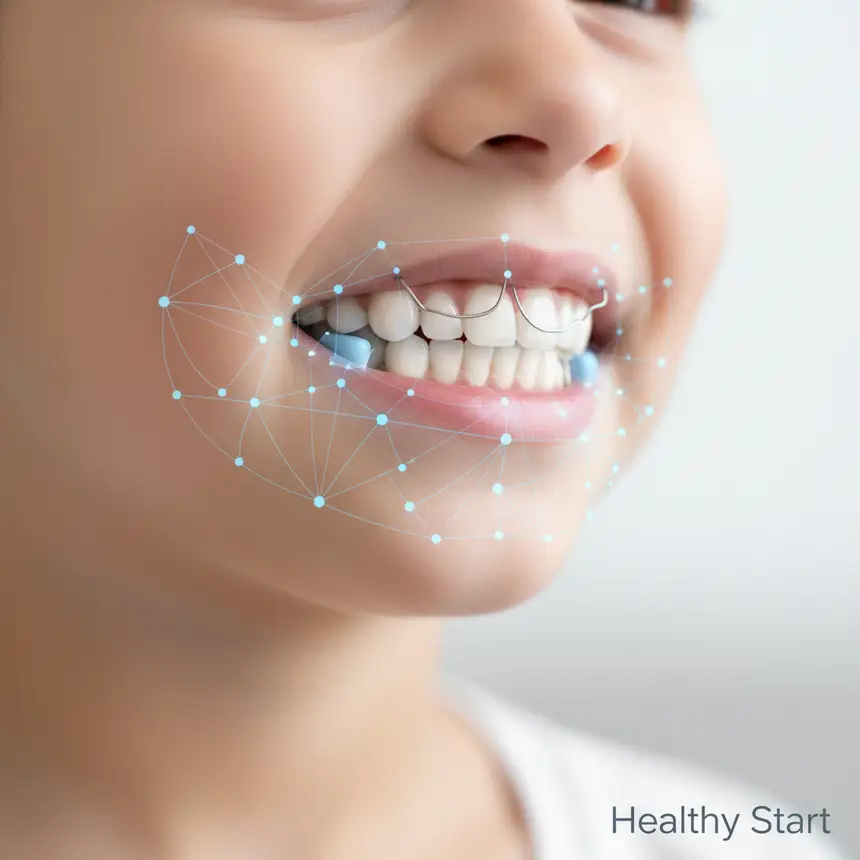
Guiding Growth: Effective Strategies for Children's Jaw Imbalance
The key to assisting children with jaw imbalances during their growth phase is 'early intervention' and 'growth modulation.' By applying appropriate methods during the active growth period, before the growth plates close, it's possible to positively guide jawbone development and foster balanced growth. During this stage, comfortable, removable or functional appliances are often used. For instance, these devices can encourage upper jaw growth while subtly moderating lower jaw development. For young children, wearing these appliances only during specific times, such as while sleeping, can be effective and minimize daily disruption. Such approaches must be customized based on a precise analysis of the child's current growth stage and jaw development, typically spanning a period of about one to two years. Consistent management can restore proper front teeth function and promote balanced lower jaw development.

Empowering Parents: A Guide to Supporting Your Child's Healthy Jaw Development
For your child's healthy jaw development, attentive observation from parents and informed guidance from specialists are crucial. Pay close attention to your child's facial profile when they eat, laugh, or simply close their mouth. If you notice their lower lip protruding beyond the upper lip, or if their front teeth don't meet correctly when chewing, it might be time to consider a consultation with a specialist. Professionals utilize advanced diagnostic tools to assess your child's jaw growth potential, providing a precise diagnosis and suggesting the most suitable approach for their developmental stage. This early management goes beyond simply straightening teeth; it lays the groundwork for your child to chew properly, speak clearly, and smile confidently. Continuous interest and attention tailored to your child's growth are paramount.

Act Now for Your Child's Jaw Health: A Foundation for Future Well-being
Childhood is a critical period of active overall physical development. During this time, jaw development issues like pediatric underbite or a protruding jaw tendency can lead to significantly positive changes with appropriate early management. Rather than attempting to resolve complex issues later in adulthood, it is far more effective to utilize the child's natural growth energy to guide their jaw towards balance. For your child to enjoy healthy jaw function and a bright, confident smile, your informed choices and consistent attention as parents are invaluable. Take an interest in your child's jaw development now and work with a specialist to find the optimal path for their healthy future.
Frequently Asked Questions
Q: My child's jaw profile seems similar to an adult with an underbite. When should I start being concerned?
A: It's advisable to observe your child's jaw development more closely as their permanent teeth begin to emerge, typically around age 6. If you notice specific tendencies, consulting with a specialist for an early evaluation is important.
Q: What potential problems can arise if a child's underbite is left unaddressed?
A: If an underbite is left untreated, it can lead to difficulties with chewing, potentially causing excessive growth of the lower jaw, which may result in facial asymmetry or exacerbate functional issues. In severe cases, more complex interventions might be needed later.
Q: My child is young; won't it be difficult for them to manage jaw correction devices?
A: For active young children, there are various methods, such as removable appliances worn only during sleep, that minimize disruption to their daily lives while being effective. Consulting with a specialist can help create the most suitable plan for your child.
Q: If an underbite runs in our family, is it guaranteed my child will develop one too?
A: While genetic factors significantly influence jaw development, it's not a certainty that your child will develop the exact same condition. However, if there's a tendency, early professional assistance can provide an opportunity to guide their growth positively.
Q: Will jaw development management interfere with my child's overall growth?
A: Jaw development management for growing children is planned with their overall growth in mind. This includes assessing the child's growth potential to ensure that any intervention supports their healthy development as much as possible.