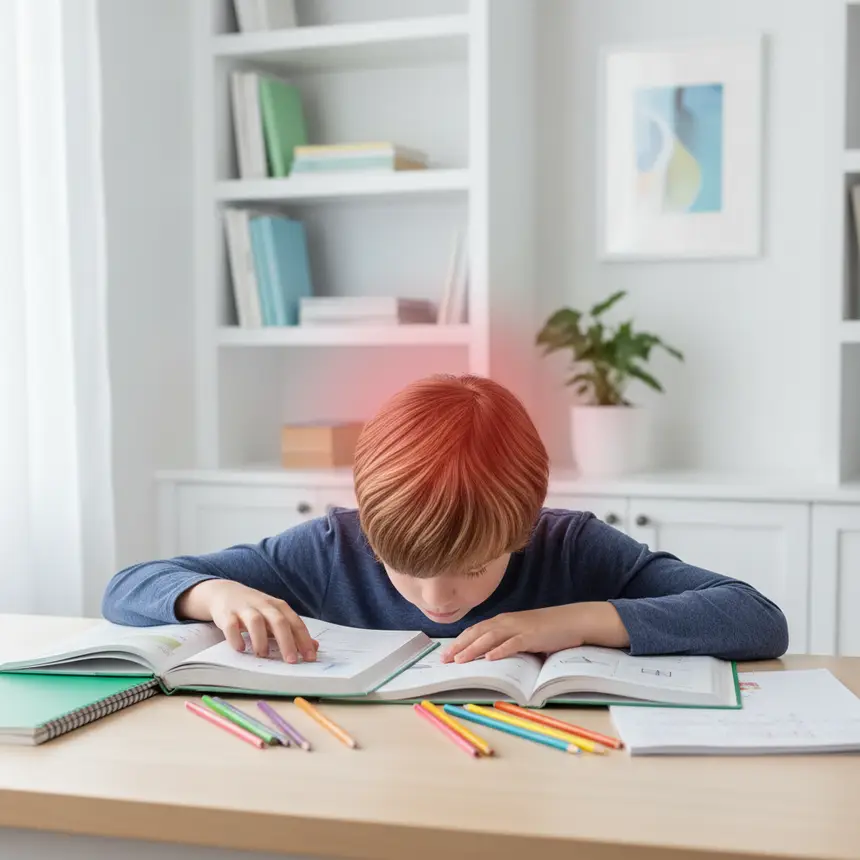
Discover key elements for your child's healthy social development. This guide introduces effective ways to build empathy and communication skills during elementary school years. A parent's resource for enhancing social abilities.

H2. The Crucial Role of Social Development in Healthy Childhood Growth
In a child's journey of healthy development, fostering social skills is just as vital as academic achievement. During preschool and elementary school years, children learn fundamental social rules, emotional regulation, and perspective-taking through interactions with peers and teachers. A child with well-developed social skills tends to adjust better to school life, navigate conflicts more effectively, and build a positive self-concept. This goes beyond mere friendliness; it's about forming meaningful relationships and finding one's place within complex social structures. Positive peer relationships significantly contribute to a child's emotional stability and overall happiness. Many difficulties children face in school or peer groups can stem from underdeveloped social abilities, highlighting the need for focused attention and support from an early age.

H2. Key Educational Approaches to Enhance Empathy and Communication Desire
Two pivotal components in cultivating a child's social skills are 'empathy' and the 'desire to communicate.' Empathy is the ability to understand and share the feelings and thoughts of others, while the desire to communicate is the intrinsic motivation to connect with others. Both are not solely innate but can be significantly enhanced through consistent training and experience. Parents can nurture these abilities in their children through various educational methods. First, practice 'reading emotions.' Discuss with your child what characters in storybooks or TV shows might be feeling based on their expressions and actions. Second, provide opportunities for 'role-playing' to let them experience different perspectives in various situations. For instance, simulate how a friend might feel if their toy was taken or if they made a mistake during play, practicing appropriate dialogue and reactions. Third, by actively listening to and respecting your child's opinions, you help them gain positive experiences in expressing their own thoughts and feelings. This naturally encourages children to view communication with others as an enjoyable and rewarding activity.
※ This post contains affiliate links. I may earn a commission at no extra cost to you.


H2. Practical Social Skill Training in Everyday Life
A child's social development isn't limited to special educational programs. It can be continuously nurtured through daily interactions at home and active parental involvement. Here are concrete strategies you can easily implement at home:
- 'How Was Your Day?' Conversation Time: Dedicate time each evening to ask your child specific questions about their day at school or daycare, delving deeply into their interactions with friends. Questions like, 'Why do you think your friend was happy?' or 'What did you say when your friend was upset?' provide opportunities for your child to practice understanding others' feelings and responding appropriately.
- Encourage Cooperative Play: Through activities that require collaboration, such as board games, building blocks, or imaginative play, teach the value of teamwork. Allow them to experience the process of negotiating and resolving conflicts when they arise. During these activities, children learn to follow rules, compromise, and effectively express their opinions.
- Be a Role Model: Children observe and mimic how their parents interact with others. It's crucial to consistently demonstrate active listening, empathy, and respect when communicating with your spouse or other individuals at home. Children will form their social skills by imitating their parents' social interaction styles.

H2. Important Considerations and Optimal Timing for Social Skill Guidance
When assisting with a child's social development, several crucial points should be kept in mind. First, it's essential to respect your child's temperament and developmental pace. Every child has unique predispositions, and their readiness for social interaction varies. Forcing them or comparing them to other children when they're not ready can be counterproductive. It's vital to support them with praise and encouragement so they feel empowered to attempt social interactions on their own. Second, consistency and persistence are key. Social skills are not developed overnight; consistent positive social experiences and repeated opportunities for practice are necessary. Third, understand that social ability doesn't simply mean being outgoing or having many friends. An introverted child can still possess deep empathy and effective communication skills. These abilities primarily develop intensively during elementary school, making active parental interest and involvement during this period extremely important. The elementary school years are a critical time for expanding peer relationships and forming a sense of self, so the social skills learned then will form the foundation for lifelong interpersonal relationships and social life.
Frequently Asked Questions
Q. How can I tell if my child has underdeveloped social skills?
A. Children with underdeveloped social skills might struggle to understand others' emotions or have difficulty expressing their own thoughts and feelings. They may find it hard to follow rules during peer play or tend to avoid conflicts or react aggressively rather than seeking solutions. They might also show less interest in others and prefer playing alone.
Q. What are the most effective ways to foster empathy in my child?
A. One of the most effective methods to build empathy is training your child to 'think from another person's perspective.' When reading storybooks or watching shows, imagine the characters' feelings together. Role-playing various emotional scenarios can also be very helpful. Crucially, parents should model empathetic behavior by acknowledging and validating their child's feelings first.
Q. How should I help my child if they struggle to resolve conflicts with peers?
A. When your child faces a conflict, it's best to first give them an opportunity to resolve it independently before intervening. If they're struggling, use emotion coaching to help them identify their feelings and consider their friend's perspective. Then, guide them to find solutions by asking questions like, 'What do you think needs to be said?' or 'How can everyone be happy with the outcome?'
Q. Can an introverted child develop strong social skills?
A. Absolutely! Social skills are not the same as extroversion. Introverted children can certainly develop deep empathy and effective communication abilities. The key is to understand and respect your child's temperament, providing consistent opportunities for social interaction in a comfortable and safe environment. Encouraging them to explore and participate at their own pace, rather than forcing them, is essential.