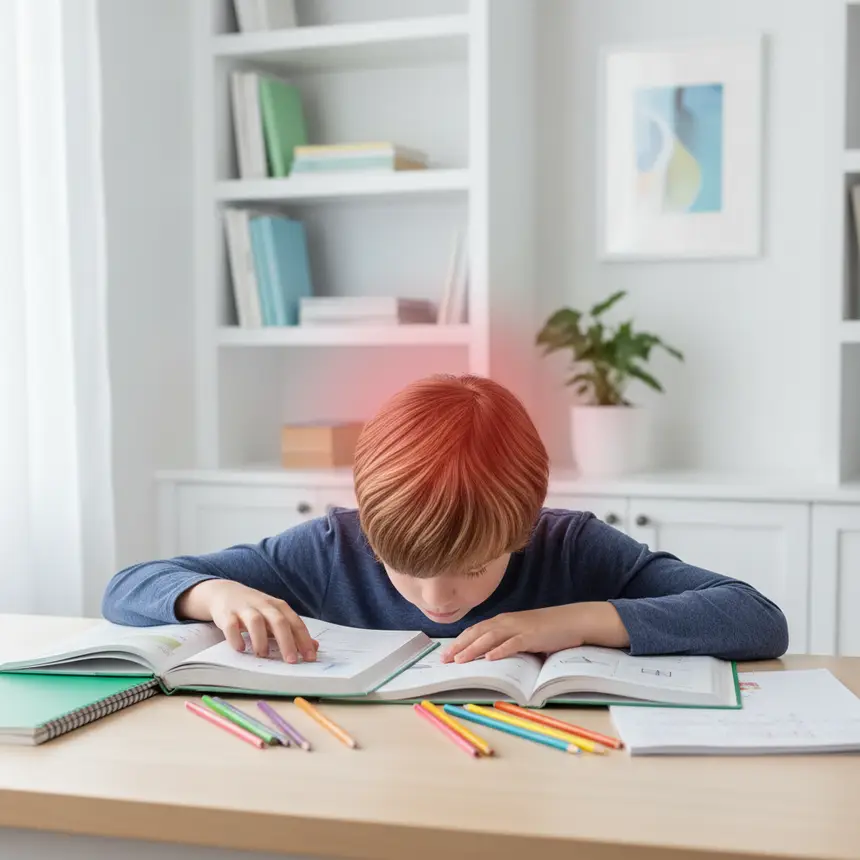
Is your elementary school child complaining of chest tightness and anxiety? Understand the common physical symptoms children experience during school transitions and discover practical ways parents can help. Explore effective strategies for your child's mental and physical well-being.

What's Behind Your Child's Complaints of Chest Tightness?
Many parents are increasingly hearing their children describe sensations like "my chest feels squeezed" or "it's hard to breathe." Despite visits to the doctor and various medical tests, no specific physical issues are found, yet the child continues to struggle. They might repeatedly clutch their chest or rub their neck, complaining of discomfort. Sometimes, they even refuse food, stating they "have no appetite" or "can't digest." This scenario is particularly common among elementary school-aged children, often leaving parents feeling helpless and worried about a serious underlying condition. It's crucial to understand that these physical complaints aren't simply a child's fussiness. They can be important signals from deep within your child's emotional world, communicating distress they can't put into words.

The Body's Language: How Stress Manifests Physically in Children
Children, especially those approaching significant transitions like entering a new grade or middle school, experience substantial physical and emotional shifts. Moving to a new academic environment often brings a complex array of pressures: concerns about grades, tests, peer relationships, and the societal expectation to "act more mature." This accumulated stress and tension can become stored in a child's body, emerging as various physical symptoms. Unlike adults, children often lack the developed language skills to articulate their complex emotions clearly. Anxiety might manifest as chest tightness, tension as difficulty breathing, or stress as digestive issues. Children with sensitive temperaments or a strong sense of responsibility are particularly prone to these physical manifestations. The constant inner pressure of "I can't make a mistake" can cause their chest to react first. These physical signs are typically not due to structural problems in specific organs. Instead, they often arise when the body's self-regulation system becomes overwhelmed by excessive stress. What might start as mild complaints can escalate if overlooked, so careful observation is key.
※ This post contains affiliate links. I may earn a commission at no extra cost to you.


Nurturing Your Child's Well-being: A Holistic Approach
When children experience physical symptoms like chest tightness or anxiety, it's not a sign of weakness. Rather, it's a profound signal that they are bravely enduring a challenging situation and are silently asking for help. To support these children effectively, we must move beyond merely addressing the symptoms. A comprehensive approach, considering their overall living environment and psychological state, is essential.
- Engage in Regular Physical Activity to Release Tension: Light aerobic exercise or playful activities for at least 30 minutes daily are effective in alleviating tension and lowering stress hormones. Activities like cycling, walking in a park, or jumping rope – whatever your child enjoys – are great choices.
- Foster a Balanced Diet for Enhanced Resilience: A nutrient-rich diet forms the foundation of your child's physical and mental health. B vitamins, magnesium, and omega-3 fatty acids can support nervous system stability. Prioritize fresh vegetables, fruits, whole grains, and lean proteins, and make mealtimes enjoyable.
- Ensure Adequate Sleep for Optimal Recovery: Sufficient sleep is critical for your child's body and mind to rest and recuperate. Maintain a consistent sleep schedule and encourage winding-down activities before bed, avoiding screen time.
- Cultivate Open Communication with Your Child: Create a safe environment where your child feels comfortable expressing emotions. Use open-ended questions like "What was the best part of your day?" and listen attentively, validating their feelings without judgment.

Practical Steps for Support at Home
To alleviate your child's physical manifestations of stress and support their emotional stability, consistent and thoughtful efforts from parents are vital. Here are concrete steps you can apply immediately at home:
- Actively Listen to Your Child's Feelings: When your child says they feel "tight," respond with empathy, such as "Oh, that sounds really uncomfortable. What does that feel like?" Dedicate at least 10 minutes daily to fully focus on their stories; this provides a profound sense of security.
- Provide a Stable Daily Routine: A predictable schedule offers psychological security. Establish consistent wake-up/bedtime, regular meal times, and designated periods for learning and play. Discuss upcoming changes to reduce anxiety.
- Boost Positive Self-Efficacy: Offer opportunities for your child to solve problems and experience accomplishments. Involve them in chores or new hobbies to build confidence through small successes. Praise their effort and process, focusing less on the outcome.
- Introduce Mindfulness Practices: Simple mindfulness activities like deep breathing or stretching can help children recognize and regulate emotions. Try practicing relaxed breathing together for about five minutes daily, or guide them through body scans to release tension.
- Consider Professional Consultation: If your child's symptoms persist or worsen despite your best efforts, it may be beneficial to seek help from a child psychologist or counseling specialist. Professional guidance can be crucial in understanding the root of difficulties and finding appropriate support strategies.

Understanding Your Child's Signals and Overcoming Challenges Together
Your child's chest tightness and anxiety are not mere signs of 'weakness' or a 'personality flaw.' They are urgent calls for help, signals from a child bravely navigating unfamiliar environments and new expectations, crying out "I'm struggling" with their whole body. Instead of hoping "it'll be fine," parents should approach their child with a compassionate understanding: "Ah, my child is having a hard time right now." It's essential to listen carefully to every small physical symptom your child expresses and to delve into the hidden emotions behind them. Within the warmth of parental attention and understanding, children feel safe enough to reveal their feelings and gain the strength to overcome difficulties. True growth encompasses balanced physical, emotional, and social development. Start by tuning into their small signals today. Your thoughtful care and appropriate support will comfort your child's anxious heart and pave the way for a healthier future.
Frequently Asked Questions
Q. My child suddenly complains of stomach aches since the new school year started. Could this be anxiety?
A. Yes, absolutely. Children often express stress or anxiety through physical symptoms like stomach aches, headaches, or indigestion. A new school year or any significant change can be a major stressor for a child, so it's important to observe both their physical symptoms and any emotional changes they might be experiencing.
Q. My child is very sensitive and worries a lot. Will their anxiety symptoms be worse?
A. Sensitive and highly responsible children tend to internalize their emotions and express them through physical symptoms more frequently. Perfectionist tendencies or high self-expectations can also exacerbate stress. Understanding your child's temperament and providing tailored emotional support is crucial.
Q. How should I respond when my child complains of chest tightness?
A. First, listen actively and validate their feelings, saying something like, "That sounds really uncomfortable." Practicing deep breathing together or redirecting their attention to a favorite activity can also help. Consistent communication, combined with adequate sleep, a balanced diet, and regular physical activity, are key to helping your child manage stress.
Q. Should I seek professional help if my child's anxiety symptoms become severe?
A. If your child's physical symptoms persist, interfere with their daily life, or if you feel unable to manage the situation on your own, it's advisable to seek assistance from a child and adolescent mental health professional or a counseling center. Professional guidance can help identify the root cause of the problem and provide effective support.
Q. Are there ways to prevent "new school year syndrome" before it starts?
A. Before the new school year begins, share information about the new environment with your child and help them develop positive expectations. Regularly engage in open conversations, establish consistent routines, and ensure they get enough rest to build their resilience to stress.