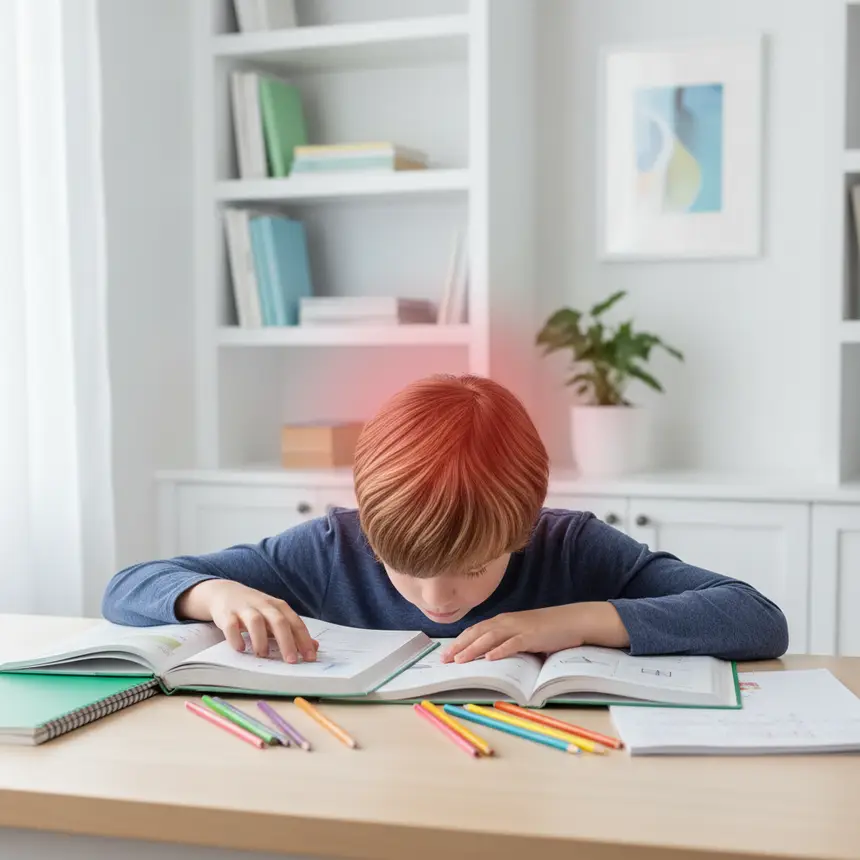
Curious about boosting your child's language and literacy? Discover how using picture books with fables and proverbs can enrich your child's thoughts and expression. Learn about the importance of language acquisition in early childhood and practical tips for application in this guide.

H2. Unlocking Rich Language Skills in Your Little One: What's the Secret?
Do you wish your child could express their thoughts and feelings more vividly, and understand the world around them with greater depth? Beyond just knowing many words, the ability to find the right expression for a situation and grasp the hidden meanings in stories profoundly impacts a child's overall development. Early childhood is a critical period for laying the foundation of language skills. Many parents hope to enhance their child's linguistic abilities through reading together, but often wonder about the most effective approach. This is where picture books featuring traditional fables and proverbs can offer a wonderful solution. These timeless sayings, packed with rich meaning in concise sentences, can bring about amazing changes in your child's language development and literacy.

H2. Why Fables and Proverbs Are Keys to Language and Thinking
Fables and proverbs are much more than just old stories or wise sayings; they are linguistic treasure troves that convey complex situations and abstract concepts through short, clear metaphors. The biggest benefit children gain from encountering them is the development of 'figurative thinking.' While children might initially interpret these sayings literally, with repeated exposure and parental guidance, they begin to grasp the deeper, underlying meanings. For instance, when hearing a phrase like 'There's always someone better, even above the best,' a child learns to understand a complex idea about hierarchy and skill, rather than just literal running or flying. This process is crucial for helping a child's brain connect words and concepts, thereby expanding their abstract thought. Furthermore, proverbs serve as a bridge connecting specific situations with emotions, building the emotional vocabulary necessary for children to articulate their experiences. This, in turn, deepens their literacy and significantly aids their understanding of social contexts.
※ This post contains affiliate links. I may earn a commission at no extra cost to you.


H2. Getting Started: Integrating Fables and Proverbs into Your Reading Routine
Effectively using picture books with fables and proverbs is key to supporting your child's language development and literacy. Here are some ways to expand your child's linguistic world:
- Consistent Exposure: Aim to read fable-based picture books at least 2-3 times a week. Regular repetition helps your child become familiar with the sayings and naturally grasp their meanings. It's best to make reading a daily routine, much like mealtimes.
- Engage in Discussion: After reading, take time to talk about the proverb's content, linking it to your child's daily experiences. For example, after reading a proverb like 'Even monkeys fall from trees,' you can share stories about times your child, you, or a family member made a mistake, helping them naturally understand that 'everyone makes mistakes.'
- Spark Interest: When choosing fable picture books, it's important to pick ones suitable for your child's age and interest level. Visually appealing books with engaging storylines maximize your child's immersion and language acquisition. Look for books featuring characters or themes your child loves.
- Incorporate into Daily Life: Playfully connect proverbs to your child's everyday words and actions. For instance, if your child's toys are all over the place, instead of direct instruction, you might say, 'When things get messy like this, people used to say it was like a pigsty,' naturally introducing the proverb in context.

H2. Practical Tips to Boost Your Child's Expressive Language in Real Life
Linguistic knowledge gained from fable picture books truly becomes your child's own when actively applied in real-life situations. Here are practical tips to effectively boost your child's expressive language:
- Role-Playing Games: Reenact characters or situations from proverbs with your child. For example, using 'A word once spoken cannot be recalled,' you can act out a scenario where a rumor spreads among friends, teaching the importance of words through play. Such games help children experience and remember the meaning of proverbs physically.
- Artistic Expression: Encourage your child to draw pictures of their favorite proverb's meaning, or to create their own stories based on the illustrations. Visual activities stimulate both imagination and linguistic expression simultaneously.
- Ask Open-Ended Questions: Pose open-ended questions like, 'In what situation could we use this proverb?' or 'How do you think the character in this story felt?' Instead of demanding a correct answer, encourage your child's free thinking. This helps them interpret proverbs from various perspectives and practice articulating their thoughts.
- Listen Actively to Your Child: When your child tries to use a proverb or discusses its meaning, parents should listen attentively and respond positively. By respecting and encouraging even their rudimentary expressions, children gain more confidence to explore language.

H2. Your Language Development Journey with Fable Picture Books
The journey of enhancing your child's language development and literacy is more like a marathon than a sprint. Utilizing fable picture books in your reading routine goes beyond merely expanding vocabulary; it becomes a crucial tool for fostering deep thinking, helping your child understand the world and empathize with others. They learn to find wisdom even in challenges, like the proverb 'Where there is a will, there is a way,' and to look around them with insight, like 'It's darkest under the lamp.' With consistent effort and patience, as you explore the world of proverbs with your child, you'll find their language becoming richer and their thoughts deepening. Be a steadfast guide for your child as they explore the world with their own language and confidently express their ideas. Why not start creating your child's brilliant language growth story with fable picture books today?
Frequently Asked Questions
Q. At what age is it best to start reading fable picture books to my child?
A. While it varies by a child's language development pace, it's generally good to start introducing fable picture books around age 3 and up. At this stage, children primarily understand the context of the proverbs through illustrations and parental explanations rather than literal text. Therefore, choosing books with rich illustrations and simple narratives is key.
Q. What if my child doesn't seem to understand the meaning of the proverbs?
A. Don't worry if your child doesn't grasp the meaning of a proverb immediately. Proverbs often contain abstract concepts that take time to understand. Explain with concrete examples or connect them to your child's own experiences to make them more accessible. Consistent exposure and discussion are the most important factors.
Q. Are there other ways to help my child's language development besides fable picture books?
A. Absolutely! Engage in regular conversations with your child in daily life, and ask various questions to give them plenty of opportunities to express their thoughts verbally. Besides reading, playing language-related games like 'I Spy,' riddles, or singing songs together can also greatly aid language development.
Q. Is it helpful for language development to make my child memorize proverbs?
A. Forcing a child to memorize proverbs can actually diminish their interest in language. What's important is their ability to understand the meaning of a proverb and use it appropriately in context. Helping them naturally encounter proverbs through play and conversation and grasp their meaning is far more effective.