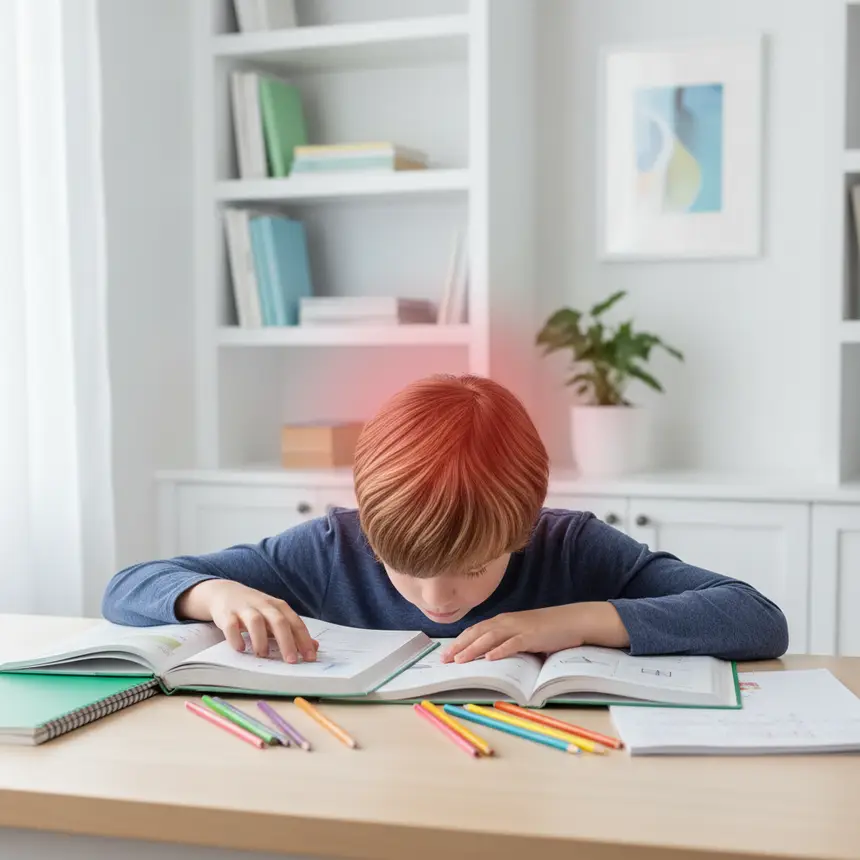
Discover effective ways to support your child's healthy growth and development, boost emotional well-being, and enhance focus through engaging physical activities. A guide to fun, balanced exercise for early childhood.

Is My Child Thriving? The Modern Parent's Silent Worry
In today's world, children are increasingly leading sedentary lives, often drawn to digital devices while opportunities for active outdoor play diminish. Many parents find themselves grappling with deep concerns about their child's physical development. Questions like, "Is my child growing at a healthy pace?", "Are they developing poor posture or lacking stamina?", or "Could limited activity lead to health issues?" frequently cross their minds. Insufficient physical movement can also affect a child's social skills, concentration, and ability to manage stress. Every parent wants to foster their child's healthy growth, yet knowing where to begin can feel overwhelming. What effective methods can truly unlock our child's full potential, nurturing both a strong body and a resilient mind? The answer often lies in dynamic, age-appropriate physical activities that capture a child's interest and energy.

The Shadow of Inactivity: Imbalance in Physical and Emotional Development
A decline in children's physical activity extends far beyond simply burning fewer calories; it casts a broad shadow over their overall developmental trajectory. Without sufficient engagement in active play, the healthy development of muscles and bones, crucial during a child's growth phase, can be hindered. Specifically, core muscles responsible for stability and balance may not receive adequate stimulation, increasing the risk of physical imbalances or improper postures. This can, in turn, lead to a decreased interest in physical activity, creating a self-perpetuating cycle of inactivity.
Moreover, physical activity serves as a vital outlet for children to release stress and expend energy. The sense of accomplishment and joy derived from active play contributes significantly to emotional stability and self-confidence. When opportunities for such experiences diminish, children may struggle to process inner anxieties or frustrations in a healthy manner. Consequently, this can manifest as reduced concentration, increased irritability, and difficulties in peer relationships. Thus, a lack of physical activity impacts not only a child's body but also their emotional growth, making it a critical factor that warrants proactive intervention and attention for their long-term well-being.
Moreover, physical activity serves as a vital outlet for children to release stress and expend energy. The sense of accomplishment and joy derived from active play contributes significantly to emotional stability and self-confidence. When opportunities for such experiences diminish, children may struggle to process inner anxieties or frustrations in a healthy manner. Consequently, this can manifest as reduced concentration, increased irritability, and difficulties in peer relationships. Thus, a lack of physical activity impacts not only a child's body but also their emotional growth, making it a critical factor that warrants proactive intervention and attention for their long-term well-being.
※ This post contains affiliate links. I may earn a commission at no extra cost to you.


Growth Through Play: A Tailored Guide to Children's Physical Activity
Engaging physical activity is fundamental for healthy childhood growth and development. However, simply telling a child to "exercise" is less effective than creating an environment where they are genuinely interested and eager to participate. Here are specific strategies for physical activities that foster a child's holistic development:
Ultimately, physical activities for children are more than just movement; they serve as a comprehensive educational platform that supports holistic development. It's crucial to offer a variety of activities and encourage children to participate enthusiastically and autonomously.
- Boosting Body Balance and Muscle Development: Through play, children learn to use both large and small muscle groups evenly, developing their core stability. Animal mimicry movements like "crawling like a lion" or "balancing on one leg like a tree" enhance flexibility and balance, contributing to growth plate stimulation and proper posture.
- Fostering Emotional Stability and Stress Release: Dynamic physical activity is an effective way for children to healthily expend energy and alleviate inner tension. Cooperative games with friends or relaxation movements combined with deep breathing help reduce stress levels and promote emotional calm.
- Enhancing Social Skills and Self-Expression: Group-based physical activities provide excellent opportunities for children to naturally interact with peers and develop social competencies. Activities where they work towards a goal or imitate movements cultivate teamwork and empathy, while also developing their ability to express feelings through movement.
- Improving Concentration and Cognitive Abilities: Learning complex movements and remembering sequences significantly boosts children's concentration and memory. Following instructions or engaging in imaginative role-play positively impacts cognitive development, helping children naturally acquire fundamental learning skills.
Ultimately, physical activities for children are more than just movement; they serve as a comprehensive educational platform that supports holistic development. It's crucial to offer a variety of activities and encourage children to participate enthusiastically and autonomously.

Your Child's Growth Journey: Starting Today
Supporting your child's healthy development through physical activity doesn't require elaborate plans. The key is to create an environment where your child feels engaged and motivated to participate consistently. Here are some simple ways you can start encouraging movement at home today:
Your child's growth is more than just an increase in height and weight; it's a holistic process of developing a healthy body, a resilient mind, and strong social skills. Dynamic physical activity is the cornerstone that fosters balanced development across all these elements. Starting today, make time to move and have fun with your child – this is arguably the most secure and joyful investment you can make in their bright future. Offer abundant encouragement and praise for every small movement your child makes.
- Fun Movement Games at Home: Make your living room a playground! Dance together, create an obstacle course with pillows, play balloon volleyball, or engage in shadow puppet games. Role-playing activities, like "running fast like a car," stimulate imagination and naturally encourage movement. The most important aspect is to respect your child's autonomy and ensure they find joy in the play itself.
- Benefits of Specialized Programs: If maintaining consistent activity at home proves challenging, or if you feel your child could benefit from more structured guidance, consider enrolling them in specialized children's physical activity programs. Under expert guidance, children can safely learn diverse movements and develop social skills while interacting with peers. Programs designed with engaging curricula tailored to a child's developmental stage are particularly effective in helping them adopt exercise as an enjoyable habit.
Your child's growth is more than just an increase in height and weight; it's a holistic process of developing a healthy body, a resilient mind, and strong social skills. Dynamic physical activity is the cornerstone that fosters balanced development across all these elements. Starting today, make time to move and have fun with your child – this is arguably the most secure and joyful investment you can make in their bright future. Offer abundant encouragement and praise for every small movement your child makes.
Frequently Asked Questions
Q. My child seems too young for organized exercise. When is the right age to start?
A. It's never too early to encourage physical activity. For toddlers who have started walking, at least 60 minutes of free, unstructured play daily is recommended. From ages 3-4, introducing simple rule-based activities or structured physical development programs can be beneficial for building balance and strength. The key is to match activities to your child's interest and developmental stage, encouraging joyful participation without pressure.
Q. Are there fun ways to encourage my child's physical activity at home?
A. Absolutely! You can dance together in the living room, play "animal charades" to music, set up balloon volleyball, play hide-and-seek, or go on a "treasure hunt." Using stairs for climbing practice or playing actively at a local park are also great options. Incorporating your child's favorite characters or stories into games can make them even more engaging and encourage active participation.
Q. Can physical activity really help my child's learning abilities?
A. Yes, absolutely. Physical activity is closely linked to brain development. Following rules, remembering sequences of movements, and problem-solving during play can enhance concentration, memory, and cognitive skills. Furthermore, when children release stress and achieve emotional stability through activity, they often develop a more positive attitude and motivation towards learning, which can positively impact academic performance.
Q. My child is already very active. Should I still consider an additional physical development program?
A. Even very active children can greatly benefit from a structured physical development program. While free play is excellent for expending energy, it may not always ensure balanced development of specific muscle groups, flexibility, or advanced balance skills. Specialized programs are designed to guide children through age-appropriate, balanced physical development, offering diverse experiences that can unlock their full potential in a safe and engaging environment.
Q. How can I keep my child interested and consistent with physical activities?
A. To maintain interest, avoid pressure and instead offer plenty of encouragement and praise. Rotate different types of activities to prevent boredom and closely observe what your child enjoys most, providing opportunities tailored to those interests. Group activities with friends can boost motivation, and showing your child that you enjoy being active yourself sets a great example.