Learn essential newborn fever management tips, including understanding mild and high fever criteria, and safe methods to bring down a baby's temperature. Practical advice for worried parents.

Why Understanding Baby Fever Brings Peace of Mind to Parents
When your newborn feels a little warmer than usual, it's natural for a wave of anxiety to wash over you. The slightest change in the thermometer reading can trigger questions like, 'Is this serious?' or 'What should I do now?' However, equipping yourself with basic knowledge about newborn fever management and clear guidelines for mild versus high temperatures can help you respond calmly and appropriately in a stressful moment. This understanding not only eases unnecessary worry but also represents a proactive step towards safeguarding your baby's health. Accurate information empowers parents to interpret subtle changes in their child and provide timely care when it matters most.

Newborn Temperatures: What's Normal and What's a Fever?
Newborns have an immature thermoregulatory system, making their body temperature susceptible to changes in their environment. It’s not uncommon for their temperature to temporarily rise if they're overdressed, the room is too warm, or after a vigorous crying spell. The first step in effective baby fever management is knowing the normal temperature range. Generally, a newborn's normal temperature hovers between 97.7°F and 99.5°F (36.5°C to 37.5°C). Slightly higher readings, up to 100.2°F (37.9°C), can still be considered normal for some infants.
- Low-grade fever: Around 100.4°F (38.0°C). This warrants close observation.
- High fever: 100.4°F (38.0°C) or higher. For babies under 3 months old, a temperature of 100.4°F (38.0°C) or more requires immediate medical evaluation. A high fever in a very young infant should never be overlooked, as it can signal something serious.
※ This post contains affiliate links. I may earn a commission at no extra cost to you.

At-Home Fever Management and When to See a Doctor
When your baby has a fever, there are several gentle methods you can try at home to help reduce their discomfort and manage the situation before or while seeking medical advice:
- Dress lightly: Opt for lightweight, breathable clothing instead of heavy layers to help dissipate heat.
- Regulate room temperature: Maintain a comfortably cool room temperature (around 75-79°F or 24-26°C) to prevent overheating.
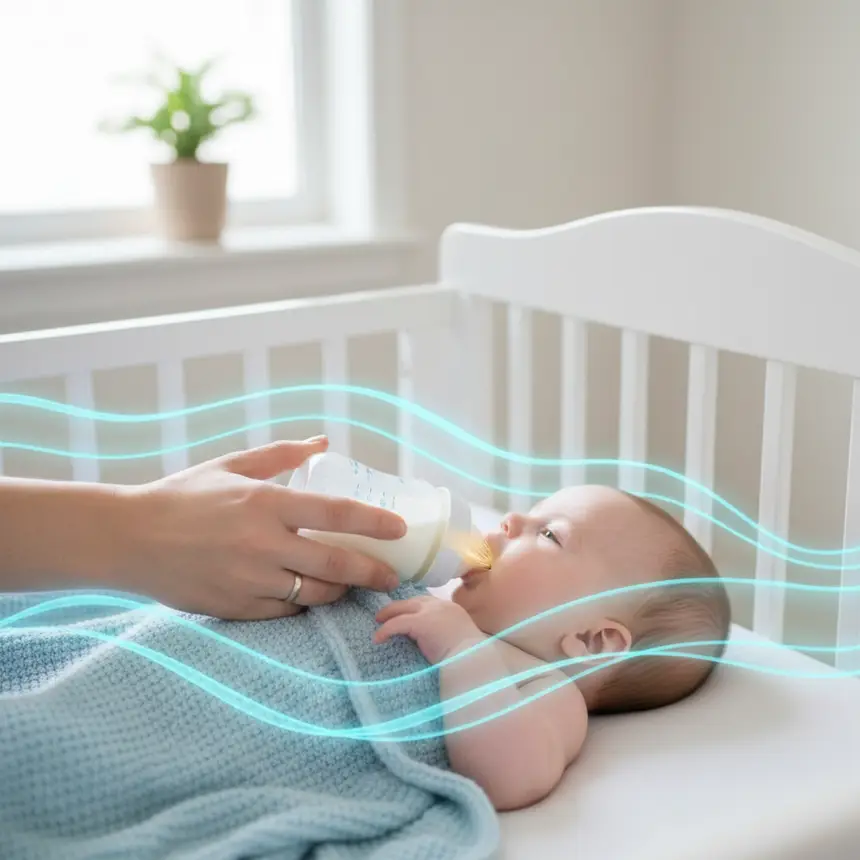
- Ensure adequate hydration: Offer breast milk or formula more frequently than usual to prevent dehydration and increase fluid intake.
- Lukewarm sponge bath: Gently wipe your baby's body with a washcloth dampened in lukewarm water. This can help lower their temperature, but stop immediately if your baby shivers or feels cold.
- Your baby, under 3 months old, has a temperature of 100.4°F (38.0°C) or higher.
- Your baby seems unusually sluggish, is not feeding well, or appears listless alongside a fever.
- The fever persists for more than 24 hours or keeps rising.
- Your baby develops a rash, even if it looks like a heat rash, but their overall condition is poor.
- Your baby experiences any seizures.
Beyond the Thermometer: Observing Your Baby's Overall Well-being
The most crucial aspect of managing a newborn's fever is not to rely solely on the thermometer's reading, but to keenly observe your baby's overall condition. If your baby has a fever but is still playing, feeding well, and acting otherwise normally, you might be able to monitor them closely. However, even with a low-grade fever, if your baby appears lethargic, isn't feeding, or shows any unusual symptoms, it could be a sign that professional medical help is needed immediately. It's essential to combine your parental intuition with objective observations of their expressions, changes in behavior, and feeding patterns.
Infants under 3 months of age are especially vulnerable due to their underdeveloped immune systems, requiring quicker and more cautious responses to any fever. Whenever you feel unsure or worried, do not hesitate to consult a pediatrician. Seeking timely professional advice is the smartest way to ensure your baby's health and well-being.
Infants under 3 months of age are especially vulnerable due to their underdeveloped immune systems, requiring quicker and more cautious responses to any fever. Whenever you feel unsure or worried, do not hesitate to consult a pediatrician. Seeking timely professional advice is the smartest way to ensure your baby's health and well-being.
Frequently Asked Questions
Q. What is considered a normal temperature range for a newborn?
A. Generally, a newborn's normal temperature ranges from 97.7°F to 99.5°F (36.5°C to 37.5°C). Readings up to 100.2°F (37.9°C) can still be within normal limits, as there can be slight variations among individual babies.
Q. What should I do if my newborn develops a heat rash?
A. Heat rash often occurs due to overheating or a warm environment. If there's no fever, dress your baby in lighter clothing and keep the room cool; it typically resolves naturally within a few days. However, if your baby seems unwell or develops a fever, it's best to consult a healthcare professional.
Q. Should I take my baby to the doctor immediately for a low-grade fever?
A. For babies under 3 months old, a temperature of 100.4°F (38.0°C) or higher warrants an immediate visit to a healthcare provider. For older babies with a low-grade fever, consider their overall condition. If they are active, feeding well, and show no other concerning symptoms, you might monitor them. However, if you're concerned or their condition seems off, getting them checked is the safest approach.
Q. What's the most important thing when trying to bring down a baby's fever at home?
A. The most crucial aspects are ensuring sufficient fluid intake to prevent dehydration and creating a comfortable environment for your baby. This includes light clothing, maintaining an appropriate room temperature, and potentially a lukewarm sponge bath. Never administer fever-reducing medication without consulting a healthcare professional first.
Q. What's especially important to note if a baby under 3 months has a high fever?
A. A high fever of 100.4°F (38.0°C) or above in an infant under 3 months is a critical sign. Due to their immature immune system, this can be serious. Regardless of other symptoms, you must seek immediate medical attention from a pediatrician.