Navigating the transition to toddler meals after baby food can be tricky. Discover how to create healthy, delicious toddler meals and soups that support your child's growth and make mealtimes enjoyable. Learn expert tips for meal planning and easy recipes.
Joyful Toddler Meals: The Foundation for Healthy Growth
As your little one moves past their first birthday, parents often find themselves facing a new set of mealtime challenges. The shift from pureed baby foods to more structured toddler meals is a pivotal period for both children and caregivers. During this time, children begin to explore new tastes, textures, and independent eating habits, all of which significantly influence their long-term health and relationship with food. Many parents worry about their child refusing food, developing picky eating habits, or the constant stress of meal planning. Yet, there’s good news! A well-structured toddler meal plan can not only support your child's physical and cognitive development but also transform mealtimes into a pleasant experience for the whole family. Beyond just filling their tummies, these meals are a crucial learning ground for absorbing diverse nutrients and fostering healthy eating behaviors. By focusing on wholesome toddler side dishes and nourishing toddler soups, you can help your child develop a positive relationship with food and create a happy dining environment. Let's explore the principles for crafting meals optimized for your child's developmental stage.
Crafting Ideal Toddler Meals: Principles and Suggested Dishes
Structuring a Nutritionally Balanced Meal
It’s important to remember that toddler meals aren’t just miniature adult portions; they need to be thoughtfully designed to suit a child’s developing digestive system and specific nutritional requirements. A balanced meal typically revolves around a carbohydrate staple, complemented by protein, vegetables, and a mild soup. Aim for portion sizes that are appropriate for a toddler—for instance, about a third to a half of an adult's rice serving. Consistency in offering appropriate quantities is more beneficial than overfilling their plate at any single meal.
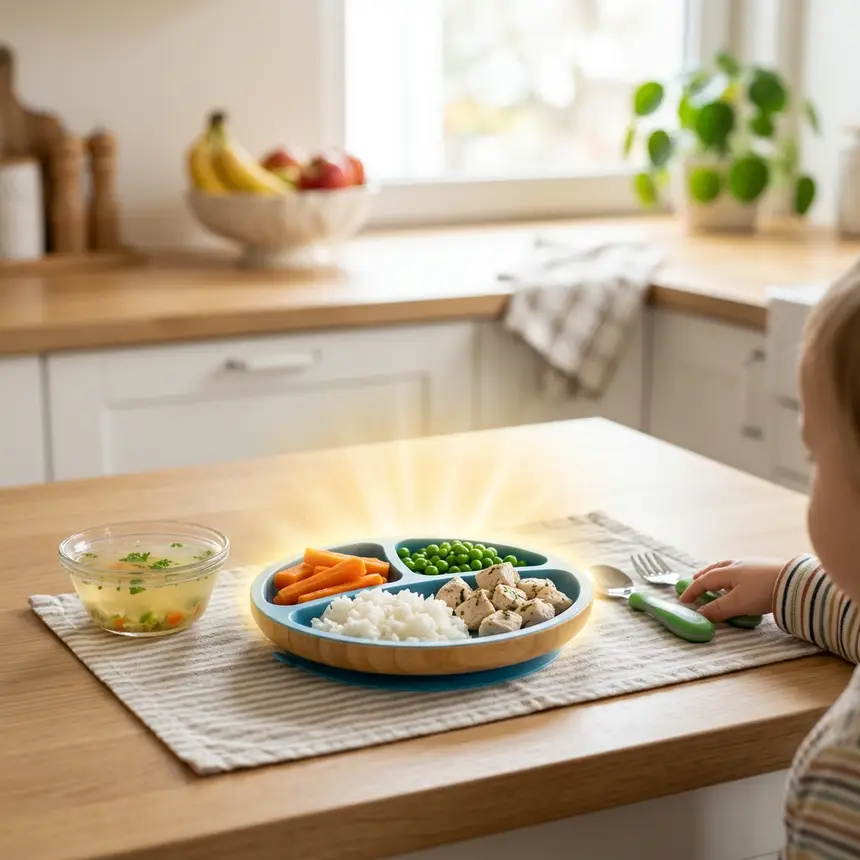
Actionable Tip: Use a plate with divided sections to visually guide you in creating balanced portions of grains, protein, and vegetables for your child.
Appealing Toddler Side Dish Ideas
For toddler side dishes to be successful, prioritize texture and mild flavors over complex seasonings. Since young children are still developing their chewing and swallowing skills, prepare foods that are soft, cut into small, manageable pieces. Minimize added salt, sugar, and strong spices. Instead, enhance flavors naturally with homemade vegetable or chicken broth.
Actionable Tip: Dedicate some time on the weekend to pre-cook and chop various vegetables and proteins. Store them in small, individual portions to quickly assemble diverse side dishes during the week.
Warm and Nutritious Toddler Soup Recipes
Soup in toddler meals serves a dual purpose: it provides essential hydration and nutrients while also making the transition to solid foods smoother. Adult soups are often too high in sodium and robust in flavor, so it’s best to prepare separate, milder versions for children. Using a base of anchovy and kelp broth or a gentle vegetable stock can provide a rich umami flavor without needing excessive salt.
Actionable Tip: Prepare a large batch of homemade vegetable or chicken broth and freeze it in ice cube trays. This allows for quick and easy preparation of toddler-friendly soups whenever needed.
Streamlining Meal Prep with Weekly Toddler Meal Plans
Constantly inventing new dishes can be a major source of stress for parents. Implementing a weekly toddler meal plan can significantly boost efficiency and ensure your child receives consistent, balanced nutrition. Toddlers often thrive on familiarity, so don’t hesitate to repeatedly offer dishes they enjoy.
Actionable Tip: Post your weekly meal plan on the refrigerator. Reviewing it before grocery shopping can help reduce impulse buys and streamline your meal preparation process.
It’s important to remember that toddler meals aren’t just miniature adult portions; they need to be thoughtfully designed to suit a child’s developing digestive system and specific nutritional requirements. A balanced meal typically revolves around a carbohydrate staple, complemented by protein, vegetables, and a mild soup. Aim for portion sizes that are appropriate for a toddler—for instance, about a third to a half of an adult's rice serving. Consistency in offering appropriate quantities is more beneficial than overfilling their plate at any single meal.
- Main Staple: Grains like rice, soft pasta, or whole-grain bread serve as the primary carbohydrate source.
- Protein Power: Include 1-2 protein-rich options per meal, such as eggs, tofu, lean chicken, or white fish. These are vital for growth.
- Veggie Boost: Offer at least one type of vegetable, cooked until tender and varied in color, to provide essential vitamins and fiber.
- Soothing Soup: A clear, low-sodium soup can aid hydration and nutrient intake, making solid foods easier to swallow.
- Healthy Snacks: Provide fruits or small, nutritious snacks between meals to supplement their diet. Avoid offering snacks immediately before meals, as this can reduce appetite.
Actionable Tip: Use a plate with divided sections to visually guide you in creating balanced portions of grains, protein, and vegetables for your child.
Appealing Toddler Side Dish Ideas
For toddler side dishes to be successful, prioritize texture and mild flavors over complex seasonings. Since young children are still developing their chewing and swallowing skills, prepare foods that are soft, cut into small, manageable pieces. Minimize added salt, sugar, and strong spices. Instead, enhance flavors naturally with homemade vegetable or chicken broth.
- Fluffy Egg Custard: This soft, protein-rich dish is often a hit with toddlers due to its smooth texture. A little broth can make it extra moist.
- Gentle Tofu Stir-fry: Lightly seasoned with a touch of low-sodium soy sauce and cut into small cubes, braised tofu is an excellent protein source.
- Shredded Chicken & Zucchini Sauté: Tender chicken, either finely shredded or minced, can be lightly sautéed with soft zucchini for a flavorful and easy-to-eat option.
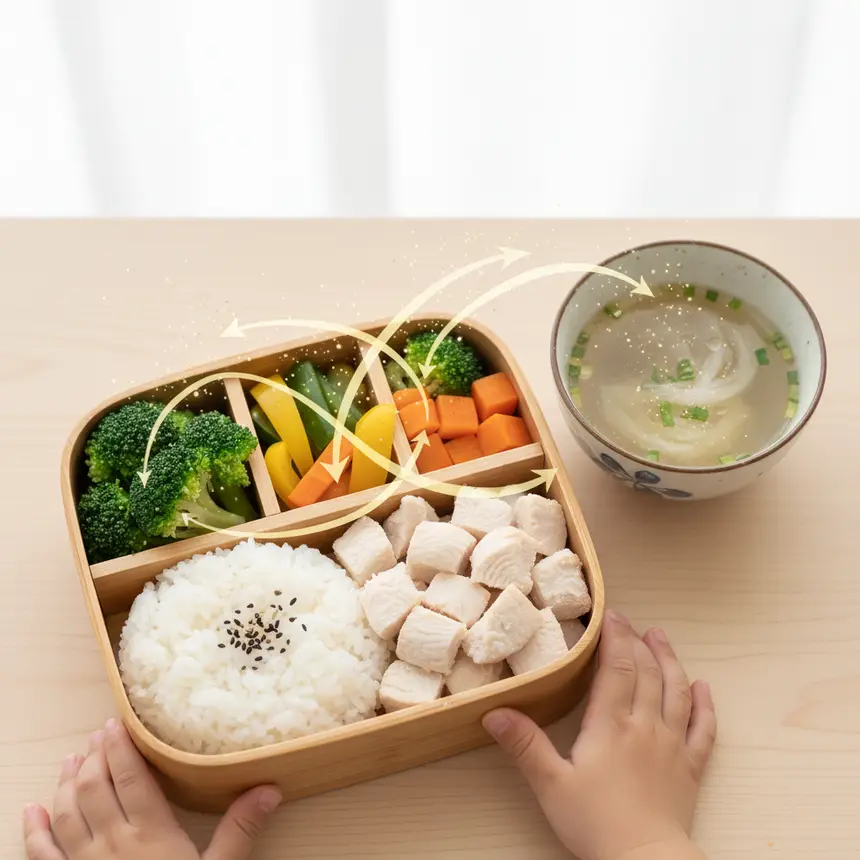
- Colorful Steamed Veggies: Offer soft-cooked broccoli florets and carrot sticks. A sprinkle of sesame seeds can add an appealing nutty flavor.
- Sweet Potato Puree: Baked sweet potatoes, mashed smoothly or in soft chunks, offer natural sweetness and essential nutrients.
Actionable Tip: Dedicate some time on the weekend to pre-cook and chop various vegetables and proteins. Store them in small, individual portions to quickly assemble diverse side dishes during the week.
Warm and Nutritious Toddler Soup Recipes
Soup in toddler meals serves a dual purpose: it provides essential hydration and nutrients while also making the transition to solid foods smoother. Adult soups are often too high in sodium and robust in flavor, so it’s best to prepare separate, milder versions for children. Using a base of anchovy and kelp broth or a gentle vegetable stock can provide a rich umami flavor without needing excessive salt.
- Mild Noodle Soup: Small, soft pasta shapes in a clear chicken or vegetable broth are comforting and easy for toddlers to eat. Add finely chopped soft vegetables.
- Creamy Cauliflower Soup: Blend steamed cauliflower with a little milk or cream for a smooth, nutritious, and appealing soup.
- Tiny Meatball Soup: Small, homemade meatballs (made from lean ground meat) in a clear vegetable broth with soft rice provide protein and comfort.
- Spinach and Potato Soup: A simple, comforting soup made with finely chopped spinach and soft potato cubes in a light broth.
- Clear White Fish Soup: Flakes of cooked white fish in a clear broth with soft vegetables can be a great source of omega-3s. (Check for allergies and bones carefully).
Actionable Tip: Prepare a large batch of homemade vegetable or chicken broth and freeze it in ice cube trays. This allows for quick and easy preparation of toddler-friendly soups whenever needed.
Streamlining Meal Prep with Weekly Toddler Meal Plans
Constantly inventing new dishes can be a major source of stress for parents. Implementing a weekly toddler meal plan can significantly boost efficiency and ensure your child receives consistent, balanced nutrition. Toddlers often thrive on familiarity, so don’t hesitate to repeatedly offer dishes they enjoy.
- Phase 1: Identify 3-4 "go-to" main meal combinations (staple + protein + veggie + soup) that your child consistently eats well.
- Phase 2: Create a weekly schedule, rotating these favorite meals from Monday to Friday. Weekends can be for utilizing leftover ingredients or trying a simple "special" dish.
- Phase 3: Introduce new ingredients or cooking methods only once or twice a week, pairing them with familiar favorites to encourage exploration.
- Phase 4: If your child initially refuses a food, don't give up immediately. Reintroduce it later with a different preparation method or shape. Repeated exposure often leads to acceptance.
Actionable Tip: Post your weekly meal plan on the refrigerator. Reviewing it before grocery shopping can help reduce impulse buys and streamline your meal preparation process.
※ This post contains affiliate links. I may earn a commission at no extra cost to you.

Wise Strategies for a Smooth Toddler Meal Transition
Important Considerations During Mealtimes
When preparing and offering toddler meals, keeping a few key principles in mind can help minimize setbacks and foster positive eating habits.
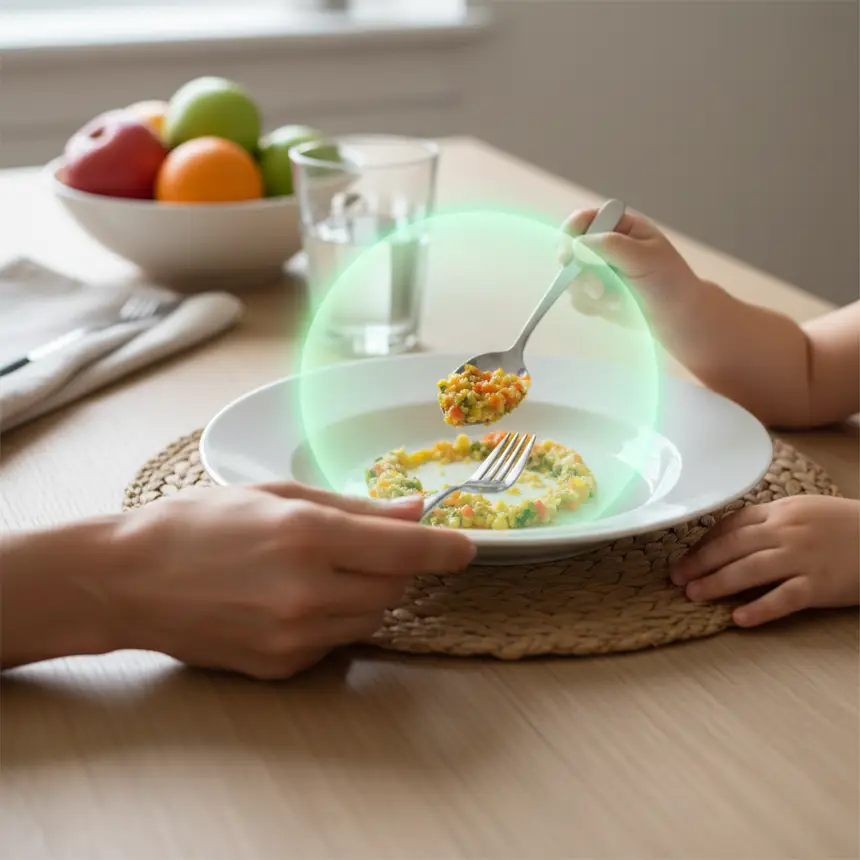
Actionable Tip: Encourage your child to self-feed, even if it gets messy. Use positive affirmations like "Yummy!" or "Good job!" during meals to foster curiosity and enjoyment of food.
When is the Right Time to Start Toddler Meals?
Most children typically begin transitioning to toddler meals around 12 months of age. However, since every child develops at their own pace, it's more crucial to observe individual developmental readiness cues rather than adhering strictly to age.
Actionable Tip: Offer a variety of textures and small portions of new foods, and encourage your child to explore them independently, even if it means some mess at the table.
When preparing and offering toddler meals, keeping a few key principles in mind can help minimize setbacks and foster positive eating habits.
- Avoid Excessive Sodium and Sugar: Many commercial sauces and seasonings contain high levels of sodium and sugar. Focus on highlighting the natural flavors of ingredients and use low-sodium, toddler-friendly seasonings. Over-reliance on sweet tastes can lead to picky eating.
- Beware of Hard or Chewy Foods: A toddler's teeth and digestive system are still developing. Foods like whole nuts, large dried fruits, big chunks of meat, or raw, hard vegetables can pose choking hazards or be difficult to digest. Always ensure food is soft, small, and easily chewable.
- Exercise Caution with Adult Meals: Adult dishes can often be too spicy, salty, or otherwise stimulating for young children. Avoid sharing foods that contain high levels of sodium, strong spices, or caffeine-containing beverages.
- Never Force Feed: If your child refuses food, do not force them to eat. Negative mealtime experiences can have long-lasting adverse effects on their eating habits. Offer an appropriate amount and respect their cues of fullness, making mealtimes a positive and enjoyable experience.
Actionable Tip: Encourage your child to self-feed, even if it gets messy. Use positive affirmations like "Yummy!" or "Good job!" during meals to foster curiosity and enjoyment of food.
When is the Right Time to Start Toddler Meals?
Most children typically begin transitioning to toddler meals around 12 months of age. However, since every child develops at their own pace, it's more crucial to observe individual developmental readiness cues rather than adhering strictly to age.
- Can they sit upright unassisted and hold their head steady?
- Have they developed a 'pincer grasp' (using thumb and forefinger to pick up small objects)?
- Do they show interest in food, opening their mouth or reaching for what you're eating?
- Are they curious about the foods adults are consuming beyond their pureed baby food?
Actionable Tip: Offer a variety of textures and small portions of new foods, and encourage your child to explore them independently, even if it means some mess at the table.
Frequently Asked Questions
Q. My child dislikes a specific vegetable. What should I do?
A. Try finely chopping or pureeing the disliked vegetable and mixing it into other foods your child enjoys, such as meatballs, scrambled eggs, or pasta sauce. You can also experiment with different cooking methods (steaming, roasting, sautéing). Repeated, gentle exposure often leads to acceptance.
Q. Are store-bought toddler meals a good option?
A. Store-bought toddler meals can be a convenient alternative for busy parents. However, always check the nutrition labels carefully for low sodium and sugar content. It's best to combine them with fresh, homemade meals to ensure a diverse intake of nutrients.
Q. My child refuses to eat their meal. How can I handle this?
A. If your child isn't eating, first evaluate the mealtime environment. Did they have too many snacks before the meal? Is the atmosphere relaxed and enjoyable? Instead of forcing them to eat, offer an appropriate portion and remove the plate without fuss when mealtime is over. Consistency in approach is key.
Q. When should I start offering three solid meals a day for my toddler?
A. Generally, the transition to three solid toddler meals a day occurs around 12 months, but this can vary based on your child's appetite and developmental pace. You might start by offering two solid meals and one larger snack, gradually increasing to three full meals as they show readiness.