Discover why adequate sleep duration and proper sleeping posture are vital for your elementary-aged child's healthy development. Learn about the positive impacts of quality sleep on physical, cognitive, and emotional well-being, along with practical tips for creating an optimal sleep environment.

H2. The Profound Impact of Quality Sleep on Your Child's Growth and Development
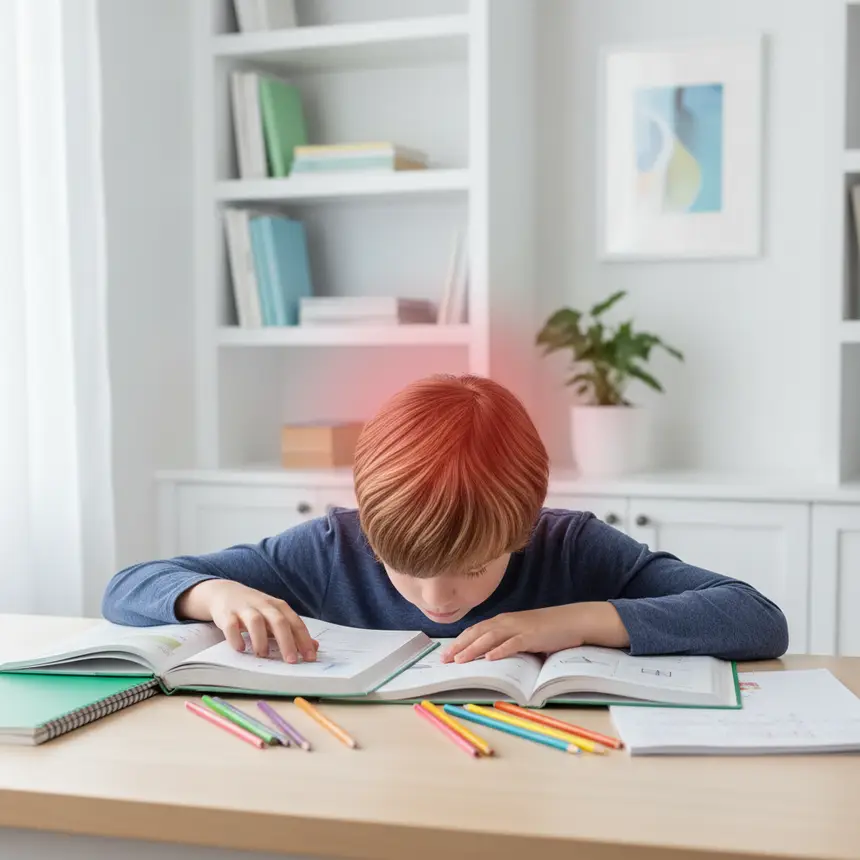
As parents of elementary school children, you've likely pondered whether your child gets enough sleep and what their sleeping position means for their well-being. More than just a period of rest, a child's sleep duration and proper sleeping posture are critical factors influencing their physical growth, brain development, immune system strength, and emotional stability. It's a cornerstone for their overall health and development. Notably, the hours between 10 PM and 2 AM are often cited as a golden window when growth-related hormones are most actively secreted. These hormones play a vital role in strengthening bones, aiding muscle development, repairing damaged cells, and generating new ones. If a child doesn't achieve restful sleep during this crucial period, it can disrupt hormone secretion, potentially hindering their physical growth.
Furthermore, sleep is deeply intertwined with a child's brain development and learning capabilities. During sleep, a child's brain busily sorts through information learned throughout the day, discarding less important data and consolidating key knowledge into long-term memory. A lack of this essential process can lead to reduced learning efficiency and difficulties in acquiring new information. Sufficient sleep also bolsters a child's immune system, increasing their resistance to illnesses. Insufficient sleep can elevate cortisol, a stress hormone, making children more irritable, anxious, and prone to poor concentration, thus impacting their emotional balance. For a child's healthy growth and happy development, high-quality sleep is an indispensable component.
Furthermore, sleep is deeply intertwined with a child's brain development and learning capabilities. During sleep, a child's brain busily sorts through information learned throughout the day, discarding less important data and consolidating key knowledge into long-term memory. A lack of this essential process can lead to reduced learning efficiency and difficulties in acquiring new information. Sufficient sleep also bolsters a child's immune system, increasing their resistance to illnesses. Insufficient sleep can elevate cortisol, a stress hormone, making children more irritable, anxious, and prone to poor concentration, thus impacting their emotional balance. For a child's healthy growth and happy development, high-quality sleep is an indispensable component.
H2. Understanding Optimal Sleep Duration and Positioning for Youngsters
Knowing the precise amount of sleep your child needs and the best way for them to sleep is the first step toward achieving quality rest. For elementary school children, recommended sleep durations vary by age. Generally, children aged 6 to 8 years old require about 10 to 11 hours of sleep per day, while those aged 9 to 13 years are recommended to get 9 to 10 hours. The key here isn't just the time spent in bed, but the actual, uninterrupted sleep time. Any time spent tossing and turning for over 30 minutes before falling asleep should be subtracted from their total sleep calculation.
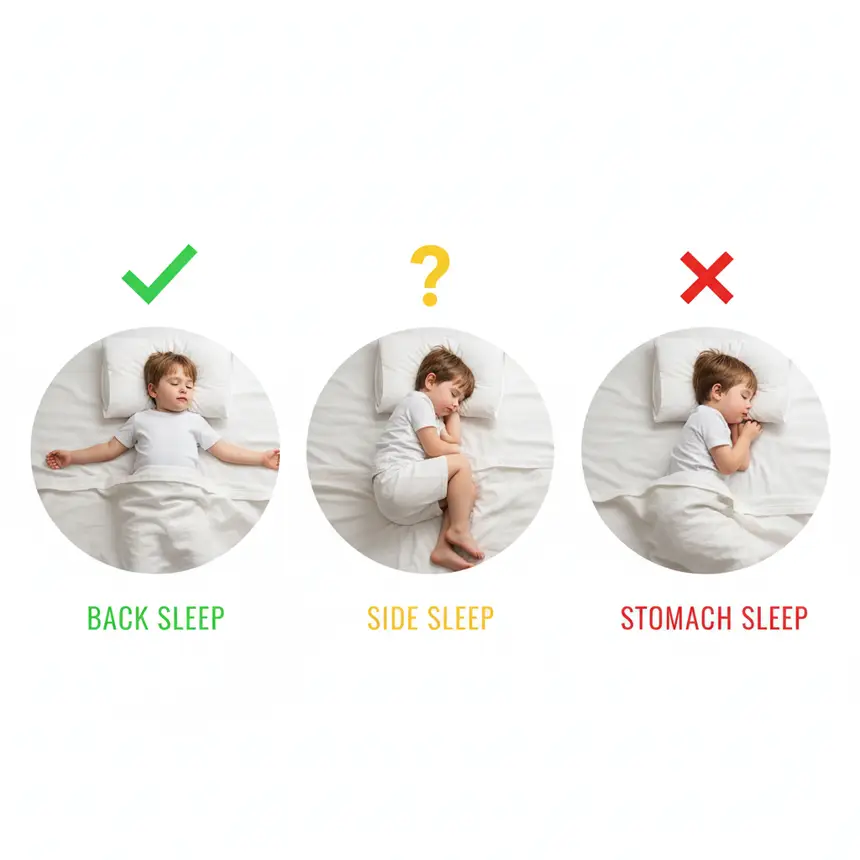
Sleeping posture also significantly impacts a child's physical development. The most ideal position is sleeping 'on their back.' This posture evenly distributes pressure across the entire spine, helping to maintain its natural curve and promoting good posture development. Sleeping 'on their side' is generally considered acceptable, but consistently sleeping on just one side can lead to spinal imbalances, so it's best to encourage alternating sides. Conversely, sleeping 'on their stomach' should be avoided as it can strain the spine and neck, compress the airway, impede breathing, and disrupt deep sleep. Proper sleeping posture ensures an unobstructed airway, facilitating smooth breathing, and improves blood circulation, which greatly aids in achieving restful sleep. Ensuring your child gets enough sleep for their age and encouraging proper sleeping posture are vital foundations for healthy growth.
Sleeping posture also significantly impacts a child's physical development. The most ideal position is sleeping 'on their back.' This posture evenly distributes pressure across the entire spine, helping to maintain its natural curve and promoting good posture development. Sleeping 'on their side' is generally considered acceptable, but consistently sleeping on just one side can lead to spinal imbalances, so it's best to encourage alternating sides. Conversely, sleeping 'on their stomach' should be avoided as it can strain the spine and neck, compress the airway, impede breathing, and disrupt deep sleep. Proper sleeping posture ensures an unobstructed airway, facilitating smooth breathing, and improves blood circulation, which greatly aids in achieving restful sleep. Ensuring your child gets enough sleep for their age and encouraging proper sleeping posture are vital foundations for healthy growth.
※ This post contains affiliate links. I may earn a commission at no extra cost to you.


H2. Cultivating a Sleep-Friendly Environment and Healthy Bedtime Habits
Even with a clear understanding of sleep's importance, achieving quality rest can be challenging if the environment isn't conducive or if healthy habits aren't established. Here’s how to create an optimal sleep environment for your child:
1. Maintain an Appropriate Bedroom Temperature: It's best to keep the bedroom slightly cool. A temperature between 64 and 68 degrees Fahrenheit (18 to 20 degrees Celsius) is generally considered ideal for restful sleep.
2. Manage Lighting: One to two hours before bedtime, dim the bedroom lights to a soft, gentle glow to help the brain prepare for sleep. It's crucial to limit exposure to blue light from smartphones, tablets, and computers before bed.
3. Choose the Right Pillow and Mattress: Select a pillow that supports the natural curve of your child's neck. A height equivalent to an adult's fist is often appropriate. For mattresses, one with medium firmness – neither too soft nor too hard – is best for spinal health.
Furthermore, establishing a consistent sleep routine is paramount:
By implementing these practical methods, you can significantly aid your child in achieving restful sleep and building healthy lifestyle habits.
1. Maintain an Appropriate Bedroom Temperature: It's best to keep the bedroom slightly cool. A temperature between 64 and 68 degrees Fahrenheit (18 to 20 degrees Celsius) is generally considered ideal for restful sleep.
2. Manage Lighting: One to two hours before bedtime, dim the bedroom lights to a soft, gentle glow to help the brain prepare for sleep. It's crucial to limit exposure to blue light from smartphones, tablets, and computers before bed.
3. Choose the Right Pillow and Mattress: Select a pillow that supports the natural curve of your child's neck. A height equivalent to an adult's fist is often appropriate. For mattresses, one with medium firmness – neither too soft nor too hard – is best for spinal health.
Furthermore, establishing a consistent sleep routine is paramount:
- Maintain Consistent Sleep and Wake Times: A regular schedule of going to bed and waking up at the same time every day helps stabilize a child's biological clock, promoting better sleep.
- Calm Activities Before Bed: About 30 minutes to an hour before bedtime, encourage quiet and relaxing activities like reading, light stretching, or drinking a warm glass of milk. This helps to unwind and prepare for sleep.
- Be Mindful of Certain Behaviors: Avoid caffeine consumption after 2 PM, and ensure dinner is finished at least three hours before bedtime to prevent digestive discomfort. High-energy activities or exciting play should also be avoided right before sleep.
By implementing these practical methods, you can significantly aid your child in achieving restful sleep and building healthy lifestyle habits.
H2. Recognizing Sleep Trouble Signs and Responding Effectively
Children often don't express their sleep issues as clearly as adults do. Instead, they tend to signal problems through behavioral changes or physical symptoms. Here are some signs parents should watch for that might indicate sleep problems:
If you notice these signs, it's important to approach the situation gradually rather than trying to change everything at once:
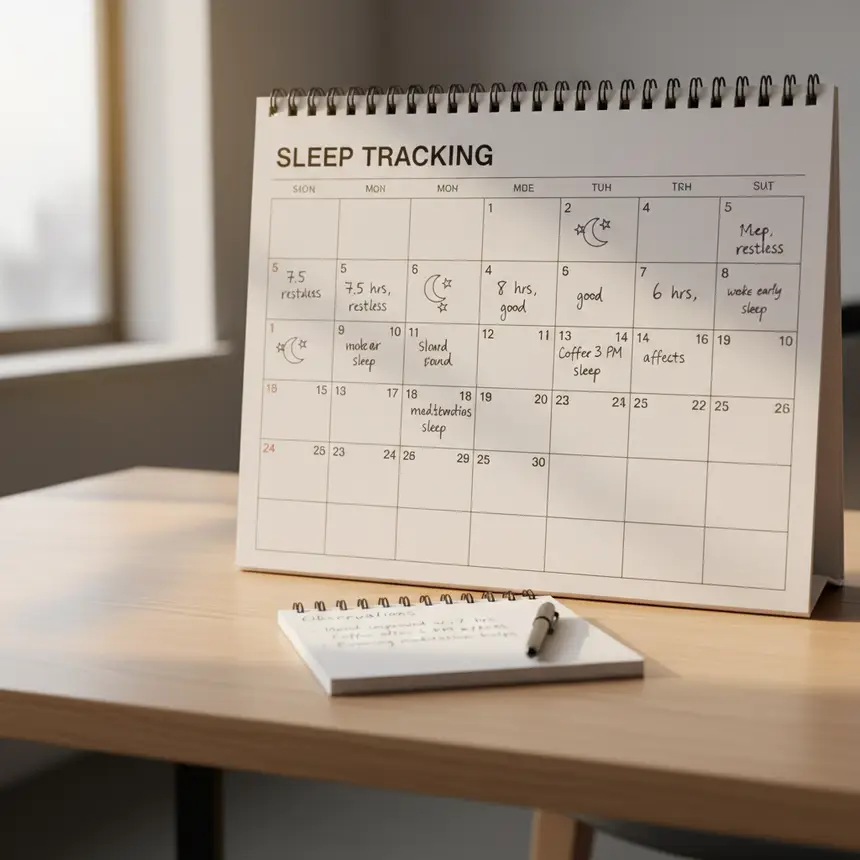
1. Observe and Record Sleep Patterns: For several days, consistently record when your child goes to bed and wakes up, how many times they wake at night, and their sleeping posture. This can help identify the root cause of the problem.
2. Optimize the Bedroom Environment: Utilize the tips mentioned earlier regarding appropriate temperature, lighting, and the right pillow and mattress to create a sleep-optimized space for your child.
3. Establish a Regular Sleep Routine: Help your child maintain a consistent habit of going to bed and waking up at the same time. Creating a consistent bedtime routine (like a warm bath, reading a story) and sticking to it is beneficial.
4. Work Together with Your Child: Explain the importance of sleep in a way they can understand, and positively encourage and support them as they develop healthy sleep habits.
The elementary school years are a crucial period of rapid physical and mental growth. During this time, sufficient sleep and proper posture are not merely about rest; they are the fundamental building blocks that help your child grow up healthy and happy. Your consistent attention and effort as a parent will lay a strong foundation for your child's bright future.
- Extreme Difficulty Waking Up in the Morning: They struggle intensely to wake up or seem constantly tired.
- Frequent Waking or Restlessness at Night: They wake up often during the night or toss and turn, indicating a lack of deep sleep.
- Snoring or Irregular Breathing: They might snore loudly or exhibit periods where they seem to stop breathing (apnea) while asleep.
- Increased Irritability or Decreased Concentration: Due to sleep deprivation, they may experience mood swings and have difficulty focusing on schoolwork or play.
- Growth Delays Compared to Peers: Children who don't get enough sleep may tend to be shorter or weigh less than their peers.
If you notice these signs, it's important to approach the situation gradually rather than trying to change everything at once:
1. Observe and Record Sleep Patterns: For several days, consistently record when your child goes to bed and wakes up, how many times they wake at night, and their sleeping posture. This can help identify the root cause of the problem.
2. Optimize the Bedroom Environment: Utilize the tips mentioned earlier regarding appropriate temperature, lighting, and the right pillow and mattress to create a sleep-optimized space for your child.
3. Establish a Regular Sleep Routine: Help your child maintain a consistent habit of going to bed and waking up at the same time. Creating a consistent bedtime routine (like a warm bath, reading a story) and sticking to it is beneficial.
4. Work Together with Your Child: Explain the importance of sleep in a way they can understand, and positively encourage and support them as they develop healthy sleep habits.
The elementary school years are a crucial period of rapid physical and mental growth. During this time, sufficient sleep and proper posture are not merely about rest; they are the fundamental building blocks that help your child grow up healthy and happy. Your consistent attention and effort as a parent will lay a strong foundation for your child's bright future.
Frequently Asked Questions
Q. Why is sufficient sleep so critical for elementary school children?
A. Adequate sleep during elementary years is vital as it promotes the secretion of growth hormones, supporting physical development. It also aids brain development, which is essential for improving learning abilities and memory. Furthermore, it significantly impacts immune system strengthening and emotional stability.
Q. What's the best sleeping position for a child, and why?
A. The most recommended position is sleeping on their back. This posture evenly distributes pressure across the spine and helps maintain its natural curve. Side sleeping is acceptable, but sleeping on the stomach should generally be avoided due to potential strain and breathing issues.
Q. My child struggles to fall asleep; what can I do as a parent?
A. Establishing a regular sleep routine and optimizing the bedroom environment are key. Encourage quiet activities before bed, like reading or light stretching, and minimize exposure to blue light. Help your child develop a habit of going to bed and waking up at consistent times.
Q. How does a late bedtime affect my child's development?
A. A late bedtime can cause children to miss the crucial window for growth hormone secretion, negatively impacting their growth. It can also lead to difficulty waking up in the morning, decreased concentration at school, increased irritability, and other cognitive and emotional challenges.