Seeking wise ways to invest in your child's healthy development? Discover how balanced nutrition, active play, and emotional support illuminate their future, beyond just material provisions.

H2. The Parenting Puzzle: What Truly Constitutes a Future Investment for Your Child?
Every parent carries deep concerns about their child's growth and future. Questions like, 'How can I ensure my child grows up healthy and happy?' or 'Is merely providing financial security enough?' are common inquiries. In navigating these concerns, understanding what truly defines a valuable `child growth investment` becomes paramount.
The journey of preparing for a child's future can often be complex, encountering unexpected situations. Much like diligently gathering documents or following procedures for a significant life event, parenting demands continuous learning and wise preparation. Throughout this process, it's essential not to lose sight of the most fundamental value: the holistic growth and development of the child.
The journey of preparing for a child's future can often be complex, encountering unexpected situations. Much like diligently gathering documents or following procedures for a significant life event, parenting demands continuous learning and wise preparation. Throughout this process, it's essential not to lose sight of the most fundamental value: the holistic growth and development of the child.
H2. Long-Term Vision: Why Focus on Holistic Development?
Many parents rightly prioritize establishing a strong material foundation for their children. However, from a long-term perspective, supporting a child's inner growth and healthy development is arguably the most crucial `child growth investment`. While financial assets can certainly smooth a child's path, the ability to find happiness and solve life's challenges stems from intrinsic strength.
Sometimes, parents might overly focus on short-term achievements or specific skills, like early academic performance. This can be likened to choosing a high-interest savings account, only to find that the initial small deposits don't yield the massive returns one might have hoped for. True investment involves consistent, broad support that builds a robust foundation, enabling the child to thrive independently.
Furthermore, there's often an eagerness for immediate results in parenting. However, child development is a gradual process that demands patience and consistent effort. It's more akin to making small, regular deposits that, over time, accumulate into a significant asset, rather than pursuing a quick, large gain.
Sometimes, parents might overly focus on short-term achievements or specific skills, like early academic performance. This can be likened to choosing a high-interest savings account, only to find that the initial small deposits don't yield the massive returns one might have hoped for. True investment involves consistent, broad support that builds a robust foundation, enabling the child to thrive independently.
Furthermore, there's often an eagerness for immediate results in parenting. However, child development is a gradual process that demands patience and consistent effort. It's more akin to making small, regular deposits that, over time, accumulate into a significant asset, rather than pursuing a quick, large gain.
※ This post contains affiliate links. I may earn a commission at no extra cost to you.

H2. Wise Parenting Strategies: Cultivating Your Child's Future
Helping your child reach their full potential goes beyond basic care; it's a `smart parenting choice`. Here are specific strategies to support their comprehensive growth:
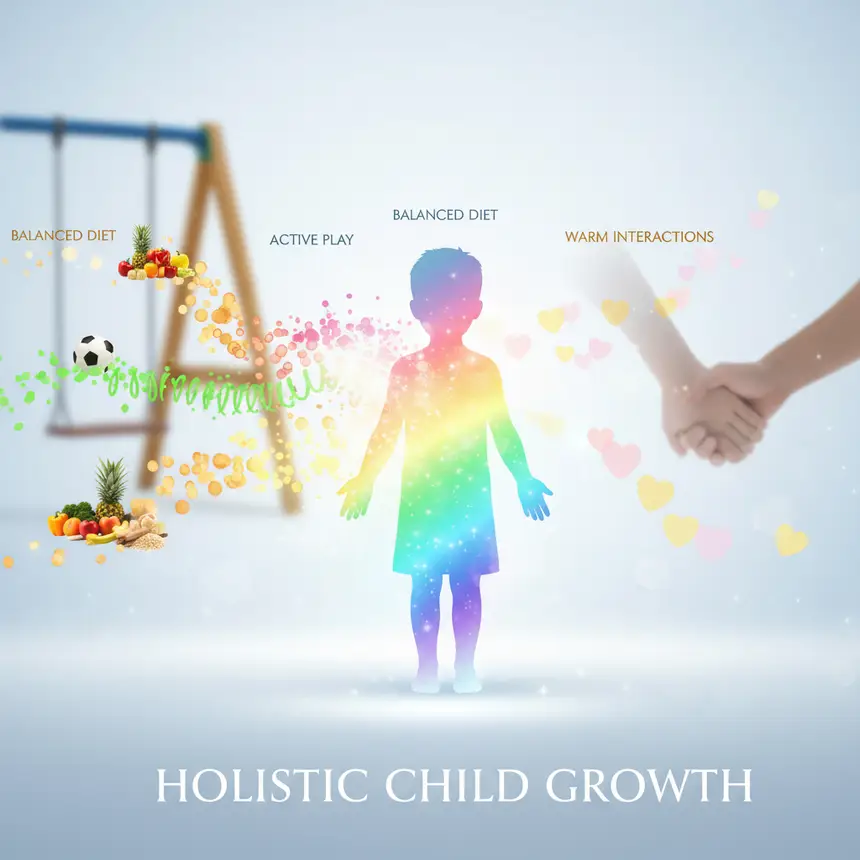
- Balanced Nutritional Intake: Providing a diverse range of essential nutrients is vital for both physical and cognitive development. Instead of solely relying on supplements, encourage healthy eating habits through a variety of seasonal vegetables, fruits, and lean protein sources. For example, a colorful smoothie made with different fruits and vegetables can offer visual appeal along with a rich supply of vitamins.
- Encouraging Active Physical Play: Children grow and learn through play. Aim for at least 30 minutes of outdoor activity daily to promote bone health, boost immunity, and aid in stress reduction and cognitive development. Simple activities like playing tag at the local park or riding bikes with friends can provide ample physical engagement.
- Emotional Security and Positive Interactions: A warm, secure attachment with parents is paramount for a child's emotional development. Try to dedicate at least 15 minutes daily for focused, one-on-one interaction where you make eye contact and engage in conversation. Reading a bedtime story or actively listening to their daily experiences, sharing laughter and empathy, builds a strong emotional core.
- Fostering an Exploratory Learning Environment: It's important to spark your child's curiosity and offer opportunities for self-discovery. Rather than always providing answers, pose open-ended questions like, "What do you think will happen if...?" Encourage creative play with building blocks or art supplies to naturally develop problem-solving and expressive skills.
- Consistent Habit Formation: Small, regular habits, such as a consistent sleep schedule and tidying up their play area, contribute to a child's self-control and responsibility. Guiding them to go to bed at the same time each night or putting away toys after use are effective examples.

H2. Continuous Effort: The Parent's Role in a Child's Bright Future
Consistency is key to effective `child development support`. Rather than expecting instant transformations, the daily practice of spending quality time with your child and fostering a healthy environment is crucial. This journey may occasionally present unforeseen challenges, but these are natural parts of a child's growth and valuable opportunities for parents to grow alongside them.
As parents, preparing for our children's future extends beyond merely passing on material wealth. Equipping them with the inner strength to navigate life's challenges and a healthy body is truly the most invaluable `child growth investment`. Your small, consistent efforts will create a positive ripple effect throughout your child's life, and your boundless love and support will be their strongest asset. Continue to practice wise parenting every day for your child's shining future.
As parents, preparing for our children's future extends beyond merely passing on material wealth. Equipping them with the inner strength to navigate life's challenges and a healthy body is truly the most invaluable `child growth investment`. Your small, consistent efforts will create a positive ripple effect throughout your child's life, and your boundless love and support will be their strongest asset. Continue to practice wise parenting every day for your child's shining future.
Frequently Asked Questions
Q. What is the most crucial investment for a child's long-term growth?
A. The most crucial investment is holistic support, including emotional security, balanced nutrition, active physical play, and an environment that encourages independent exploration.
Q. Can I effectively prepare my child for the future without significant financial contributions?
A. Absolutely. While financial support can be helpful, non-material investments like parental love, attention, consistent guidance, and empowering your child to grow independently are far more significant.
Q. How can busy parents ensure quality interaction time with their children?
A. Consciously set aside even 15 minutes daily for high-quality interactions, such as making eye contact and talking, or reading a book together.
Q. What are the most effective strategies for fostering a child's learning abilities?
A. Effective strategies involve stimulating a child's curiosity and promoting problem-solving through play-based learning environments, rather than simply dictating answers.
Q. What practical steps can parents take to help children develop healthy habits?
A. Establish consistent routines and lead by example. For instance, creating regular sleep schedules or encouraging them to put away their toys independently helps build healthy habits.