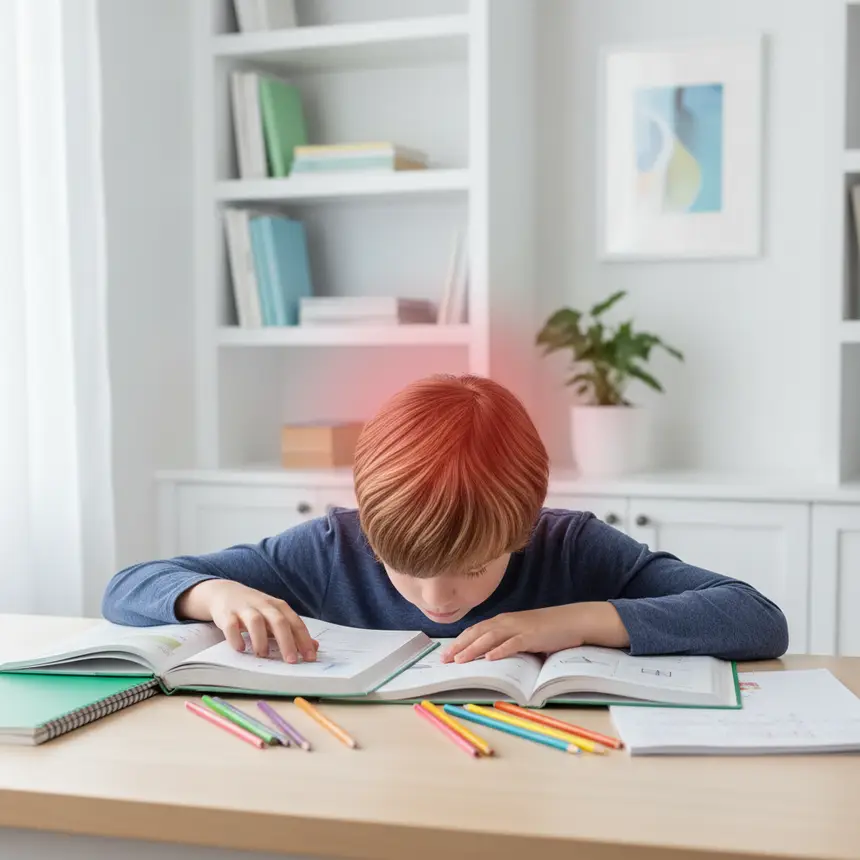
Is your elementary-aged child struggling with goodbyes? Learn to recognize the signs of separation anxiety in school-aged kids and discover practical strategies for parents to foster their child's healthy independence.

Is It Separation Anxiety? Understanding Your Elementary Child's Distress Signals
When your elementary-aged child consistently struggles with school drop-offs or becomes overly distressed at the thought of you leaving, it might be more than just a passing phase of clinginess—it could signal separation anxiety. While it's normal for young children to feel a bit sad when parting with parents, persistent and intense reactions in school-aged children warrant closer attention. For instance, if your child frequently refuses to go to school, clings desperately and cries when you try to leave, or constantly tries to contact you when you're apart, these repetitive behaviors suggest underlying anxiety. Recognizing these patterns early is crucial for helping your child develop healthy independence. Understanding that these actions stem from genuine internal distress, rather than mere defiance, is the first step parents can take to support their child effectively.

Practical Strategies for Nurturing Your Child's Independence
To alleviate your child's separation anxiety and foster healthy independence, parents can implement several practical strategies. First and foremost, validate your child's anxious feelings rather than dismissing or minimizing them. Express empathy, saying something like, “It’s understandable that you feel worried when I leave; I get that it’s tough.” This acknowledgment provides comfort and security. Next, establish predictable routines to help reduce their anxiety. Consistent school schedules, bedtime rituals, and clear communication about when you’ll return after an outing help your child feel that their world is safe and predictable. Stating, “Mommy will be back by 3 PM,” provides concrete reassurance. Additionally, practice gradual separation to build your child’s confidence in coping with anxiety. Start with short periods with another trusted caregiver or by having them play in another room while you’re home, gradually increasing the duration. Celebrate even small successes during these times with praise and positive reinforcement. Finally, keep lines of communication open so your child feels they can always talk to you about their fears, and consistently reassure them that you will always be there to support them.
※ This post contains affiliate links. I may earn a commission at no extra cost to you.


Separating Fact from Fiction: What Parents Need to Know About Anxiety
When an elementary school child exhibits separation anxiety, many parents often feel guilty, believing it stems from their parenting style. However, this is a common misconception. Separation anxiety can arise from a combination of factors, including a child's innate temperament, specific reactions to situations, or environmental changes, and it's not solely a reflection of parental shortcomings. It's more helpful to view it as part of your child’s developmental journey as they learn to manage and regulate their emotions. What these children truly need is not blame or coercion, but rather understanding and patient support from their parents. Encourage them to try new experiences at their own pace, and offer plenty of encouragement for even minor progress. Forcing separation or dismissing their anxious feelings can often intensify their distress, so a gentle approach is key. If your child's separation anxiety significantly impacts their daily life or doesn't improve despite your best efforts, consider consulting a child development specialist. Professional guidance can provide tailored support for your child and help you find the most effective ways to assist them. This approach is particularly beneficial for parents of elementary school-aged children, focusing on fostering healthy emotional independence.
Frequently Asked Questions
Q. How common is separation anxiety in elementary school-aged children?
A. While less common than in toddlers, separation anxiety can still occur in elementary school children, often triggered by school pressures, social dynamics, or family changes. The intensity and persistence of the anxiety will determine if professional help might be beneficial.
Q. How can I tell if my child's school refusal is due to separation anxiety?
A. Observe if their reluctance to go to school stems from a fear of being apart from you, rather than just dislike for homework or friend issues. Excessive worry about bad things happening to you when they're away, or accompanying physical symptoms like stomach aches or headaches, could indicate separation anxiety.
Q. What's the most effective way to talk to my child about their separation anxiety?
A. Validate their feelings without dismissing or criticizing them. Say something like, “I understand you feel really scared and sad when I leave.” Reassure them repeatedly that you will always come back, which helps build trust and security.
Q. My child is afraid to sleep alone at night. How can I help?
A. Gradual steps are usually best. You can start by staying in their room for a short while, then gradually moving further away or leaving after they've settled. Establish a calming bedtime routine, like reading a story or a warm hug, and praise their efforts to sleep independently.
Q. Can play activities help a child dealing with separation anxiety?
A. Yes, play is incredibly effective for helping children express their emotions and cope with anxiety. Role-playing separation scenarios, drawing pictures of their fears, or engaging in imaginative play can empower them, build confidence, and help them process their feelings in a safe way.