Iron is crucial for your child's energy, focus, and healthy development. Discover why adequate iron intake is essential for growing kids and how to effectively manage their nutritional needs.
Is Your Little One Running on Empty Lately?
Remember when your child used to be a boundless ball of energy, always on the go? If lately you've noticed them slowing down, seeming unusually tired, or becoming pickier at meal times, a little worry might start to creep in. It’s a common scenario for many parents: no apparent illness, yet a noticeable dip in vitality and perhaps even a paler complexion. This could be a subtle sign that your growing child might be missing out on essential nutrients. During periods of rapid growth, children's bodies demand more fuel than usual. Among these vital nutrients, iron often goes unnoticed. Though not always obvious, insufficient iron intake can significantly impact a child's overall health and development, making careful observation key.

Recognizing the Signs of Iron Insufficiency in Growing Children
While iron deficiency can affect anyone, its impact on growing children can be particularly significant. Iron is a cornerstone component of hemoglobin in red blood cells, playing a critical role in transporting oxygen from the lungs to every cell and tissue in the body. This makes it indispensable for your child's brain development, energy production, and active physical play. When children don't get enough iron, they may experience persistent fatigue, reduced activity levels, and a noticeable drop in concentration, potentially affecting their learning. Their immune system might also weaken, leading to more frequent bouts of illness. Children who are picky eaters, undergoing growth spurts, or engaging in high levels of physical activity are especially vulnerable, as diet alone may not suffice. Prolonged iron insufficiency can hinder healthy development, so parents should pay close attention to any subtle changes in their child's behavior and energy.
※ This post contains affiliate links. I may earn a commission at no extra cost to you.

Strategic Approaches to Ensure Adequate Iron Intake
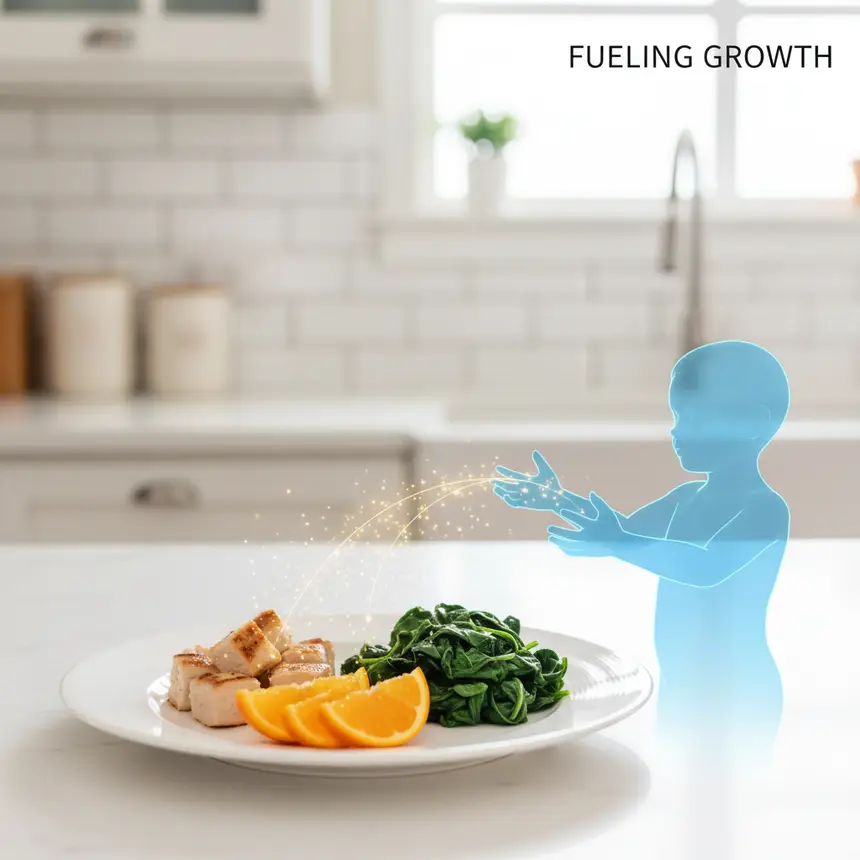
The most fundamental way to support your child's iron intake is through a well-balanced diet. Incorporating iron-rich foods into daily meals is paramount. Animal-based sources like lean red meat, poultry, and fish offer highly absorbable iron. Plant-based foods such as spinach, beans, and nuts also contain iron, though its absorption is enhanced when consumed with Vitamin C. A smart strategy is pairing iron-rich foods with fruits or vegetables high in Vitamin C, like oranges or bell peppers. However, for children with very selective eating habits or those experiencing rapid growth phases where diet alone falls short, nutritional supplementation can be a valuable consideration. When choosing a supplement, prioritize options that are palatable and easy for your child to consume, and look for formulations known for good absorption. Furthermore, supplements that include co-factors like B vitamins, folic acid, and Vitamin C can work synergistically to support overall iron utilization.

Practical Wisdom for Tailored Iron Management
Effective iron management for your child requires consistency and thoughtful parental effort. Start by making iron-rich ingredients fun and appealing in meals. For instance, finely mince beef into meatballs or stir-fries, or chop spinach to hide in omelets, which can reduce your child's resistance. If you opt for a nutritional supplement, ensure it comes in a child-friendly format. Liquid or syrup forms are often ideal for younger children, as they can be consumed easily without water. A flavor that your child enjoys will also significantly aid consistent intake. As for timing, serving supplements one to two hours after a meal is generally recommended. It's also beneficial to space out iron intake from calcium-rich dairy products, as calcium can sometimes interfere with iron absorption. Convenient, single-serving packets are great for on-the-go parents, ensuring daily intake isn't missed. The key is consistent management tailored to your child's current growth stage and lifestyle.

Empowering Your Child's Healthy Future: A Parent's Smart Choice
Every parent's deepest desire is to see their child grow up healthy and vibrant. Iron is undeniably one of the key nutrients that helps turn this aspiration into reality. As parents, observing subtle changes in your child, considering their eating habits, and factoring in increased activity levels are crucial steps in supporting balanced nutrition. If dietary intake proves challenging, a well-chosen nutritional supplement can offer valuable support. The wisdom lies not in adhering to a single approach, but in adapting flexibly to your child's unique needs. Help your child unlock their full potential and enjoy every day with boundless energy by assessing their nutritional status and providing the necessary support. Your small acts of awareness and proactive steps today will pave the way for a significantly healthier future for your child.
Frequently Asked Questions
Q. Why is iron particularly important for growing children?
A. Iron is a vital component of hemoglobin, which carries oxygen in the blood. It's essential for a child's brain development, energy production, and physical activity. Their need for iron increases significantly during periods of rapid growth.
Q. How can I tell if my child might not be getting enough iron?
A. Signs can include persistent fatigue, reduced energy levels, difficulty concentrating, or looking pale. However, for an accurate assessment, it's always best to consult with a healthcare professional.
Q. What are some good food sources of iron for kids?
A. Red meat, poultry, and fish are excellent animal-based sources. Plant-based options include spinach, beans, and nuts. Pairing these with Vitamin C-rich foods like oranges or bell peppers can boost absorption.
Q. What should I consider when giving my child an iron supplement?
A. Choose a supplement that is palatable and easy for your child to take, and look for well-absorbed forms of iron, often combined with complementary nutrients like Vitamin C and B vitamins. Always consult a healthcare professional for appropriate dosage and administration.