Discover practical strategies for parents struggling with elementary school diets, focusing on essential nutrition and boosting vegetable intake. Learn how to foster healthy eating habits that your child will enjoy.

Balancing Nutrition and Fun at Your Child's Dinner Table
If you're a parent of an elementary school child, you've likely wrestled with the challenge of providing a 'healthy diet.' Ensuring your child gets all the essential nutrients for their growth and development, especially eating enough vegetables, often feels like a constant puzzle for many parents. It's tough to prepare balanced, nutritious meals every single day amidst a busy schedule. When your child picks at their food or resists trying new dishes, it's easy to feel worried. But worry alone won't solve it. Let's explore why diet management is crucial for our children's healthy growth and how we can help them enjoy their meals while getting all the nutrition they need.

Why Do Kids Become Picky Eaters, Especially About Veggies?
There are several reasons why children might shy away from vegetables. First, it's often due to their developing taste buds. Kids tend to be more sensitive to bitter tastes than adults, making the slightly bitter notes in vegetables more pronounced for them. Second, they might exhibit a natural wariness towards new foods, sometimes called 'food neophobia.' They may hesitate to try foods with unfamiliar textures or colors. Third, the eating environment plays a significant role. Frequent dining out or reliance on takeout can lead children to prefer specific, often less varied, flavors and reduce their exposure to diverse ingredients at home. Furthermore, parents' busy schedules can increase the pressure of meal preparation, leaving less room to encourage children to try a wider range of foods. These combined factors are primary reasons why getting kids to eat vegetables can be so challenging.
※ This post contains affiliate links. I may earn a commission at no extra cost to you.


Practical Strategies for a Balanced, Picky-Eater-Friendly Table
Helping children eat a variety of nutrients, including vegetables, requires patience and a smart approach. Here are some practical strategies:
- 'Disguise' vegetables: Finely chop vegetables your child dislikes and mix them into dishes like fried rice, omelets, meatballs, patties, or rice balls. When the shape isn't obvious, resistance might decrease.
- Add visual appeal: Use colorful vegetables to create fun shapes, like characters, or arrange them beautifully to make the plate look like a work of art. This can make eating more enjoyable.
- Get them involved in cooking: Let your child participate in simple tasks like washing vegetables or stirring ingredients. They'll likely be more eager to eat food they helped prepare.
- Experiment with cooking methods: The same vegetable can taste and feel different when steamed, stir-fried, or roasted. This variety can capture your child's interest. For example, a child who dislikes eggplant might enjoy it roasted with a touch of sweet sauce.
- Create a positive mealtime atmosphere: Make mealtime a pleasant time for communication. Instead of forcing them to eat or nagging, focus on praising and encouraging their efforts.
Sustainable Healthy Eating Habits: It Starts with Small Changes
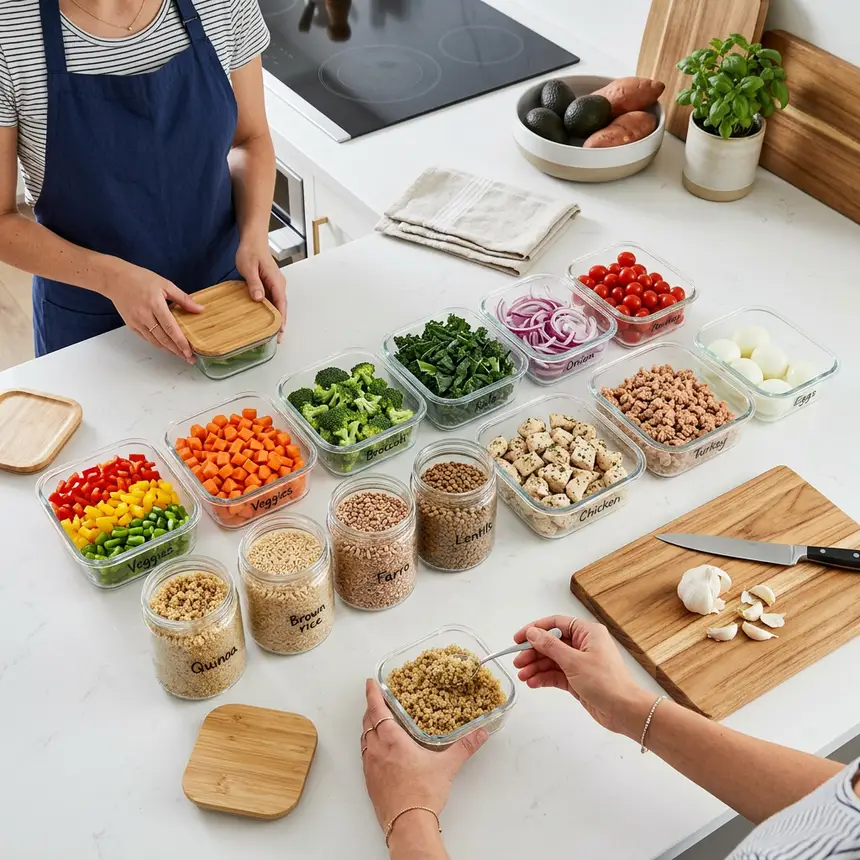
Changing a child's eating habits doesn't happen overnight. It requires consistent effort and patience, and building on small successes is key. For instance, once or twice a week, try grocery shopping with your child to explore new vegetables, or once a month, make it a family activity to cook a vegetable-focused meal together. To maintain nutrition even during busy times, preparing side dishes in advance on weekends or stocking up on versatile frozen vegetables can be smart strategies. Keeping a food diary can also help you understand what your child eats well and where improvements can be made. For your child's healthy growth and enjoyable mealtimes, your consistent attention and effort as a parent are paramount. Remember, it's not about achieving a perfect diet, but about continuous effort towards balanced eating that will truly shine.
Frequently Asked Questions
Q. My child dislikes specific vegetables. What should I do?
A. Instead of forcing them, try offering disliked vegetables in a different way, or mix small amounts into their favorite foods. Changing the cooking method can also alter the texture and taste; for instance, if they don't like raw vegetables, try steaming them or making a puree.
Q. I'm a busy working parent, and it's hard to prepare nutritious meals every day. Any tips?
A. Use weekends to prep side dishes in advance, or use pre-cut or frozen vegetables to save time. One-pot meals where you can throw in various vegetables (e.g., vegetable-packed stir-fries, stews) are also excellent choices for efficiency and nutrition.
Q. My child notices even finely chopped vegetables and won't eat them. Are there other methods?
A. Try changing the vegetable's form entirely. For example, boil vegetables and blend them into a puree to mix into sauces or soups, or blend them with fruits into a smoothie. You can also use fun cookie cutters to make vegetable shapes, sparking visual interest.
Q. I want to reduce eating out and ordering takeout. What are some alternatives?
A. Try preparing simple, healthy snacks at home, or use pre-made frozen rice balls or vegetable-filled wraps. Involving your child in cooking and creating positive experiences with homemade food is also important. Planning your weekly meals in advance can help reduce impulsive decisions to eat out.