Is your child's vision getting worse? Don't just watch. Discover effective strategies for controlling myopia progression in elementary school children with special eyeglass lenses.

Is Your Child's Vision Declining? Recognizing the Signs of Childhood Myopia
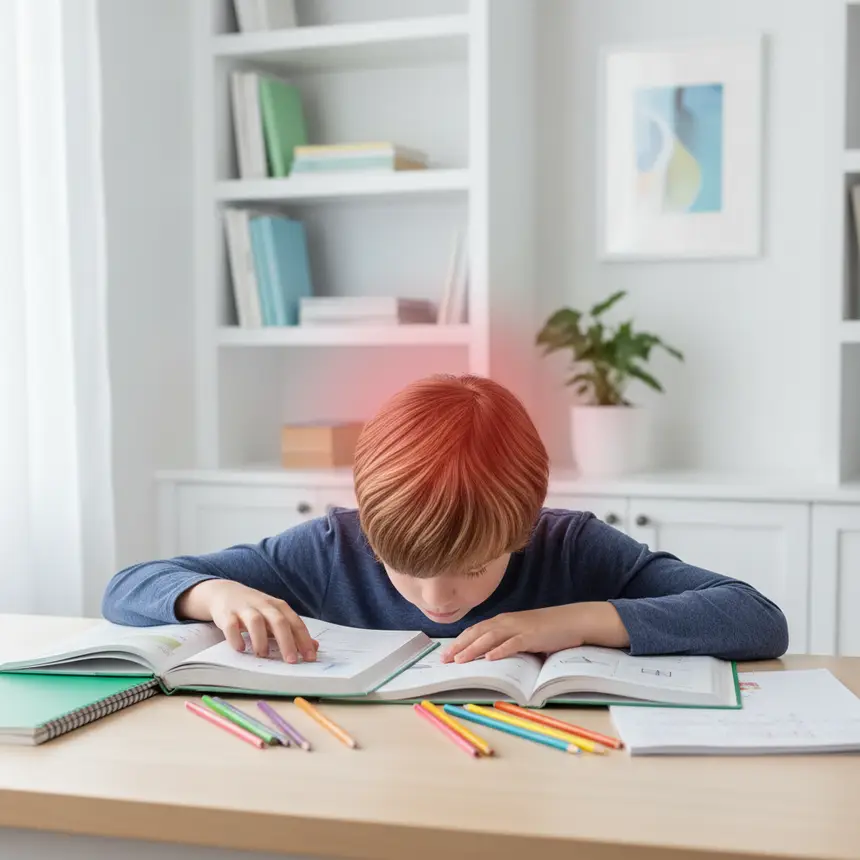
Have you noticed your child squinting to see the whiteboard at school, or holding books and screens unusually close to their face? These could be early indicators of progressing myopia, commonly known as nearsightedness, which often starts during elementary school years. Childhood myopia isn't just about needing glasses; rapid progression during these crucial developmental stages can significantly impact the quality of their vision, potentially affecting academic focus and overall learning. Therefore, proactive vision management to slow down myopia progression is far more important than simply correcting their vision with standard glasses. Since good eyesight, once lost, is difficult to fully recover, paying close attention to even minor changes in your child's vision is essential.
The Science Behind Myopia Control Lenses and How They Work
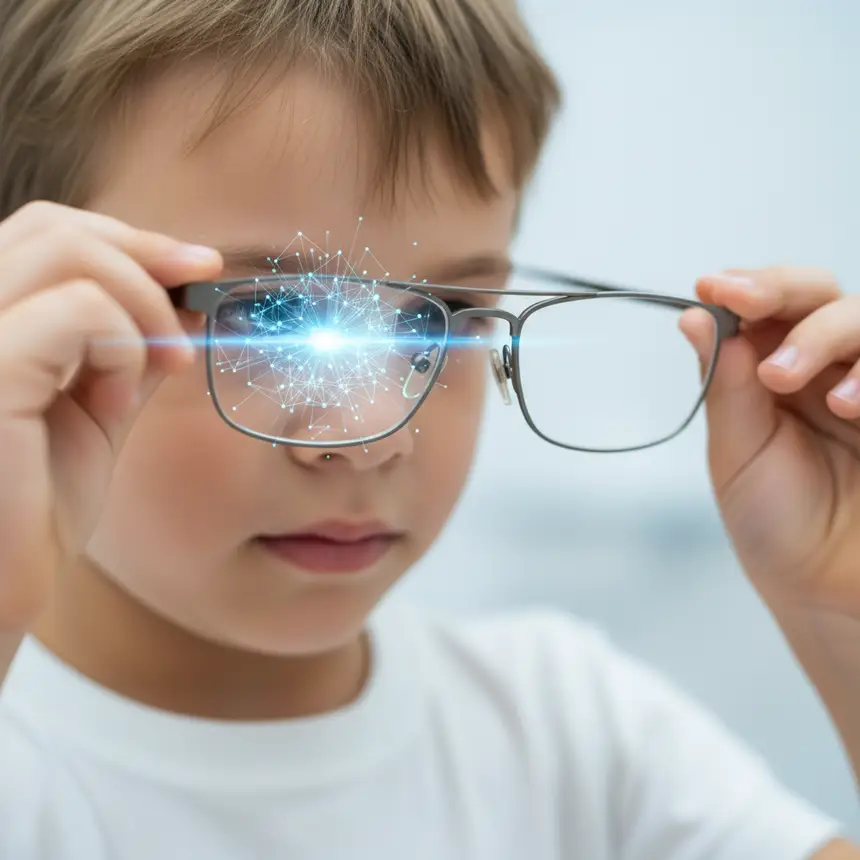
Specialized eyeglass lenses designed to help slow down the progression of myopia in children are gaining significant attention. Unlike conventional lenses, these unique designs feature a central zone that provides clear vision to correct nearsightedness, while the peripheral areas incorporate hundreds of microscopic optical elements. This innovative design works by subtly altering how light focuses on the peripheral retina, which in turn helps to inhibit the excessive elongation of the eyeball—a primary cause of myopia progression. Research indicates that children wearing these specially designed lenses can experience a substantial reduction in the rate of myopia progression compared to those wearing standard lenses, with long-term consistent wear showing even greater benefits. In some cases, an eye care professional might recommend combining these lenses with specific low-dose eye drops for potentially enhanced results. These lenses are non-invasive, easy to use in daily life just like regular glasses, and often include UV protection. Made from durable and lightweight materials, they are well-suited for active children. However, there might be a short adaptation period of about a week due to the varying prescription strengths across the lens. They typically come at a higher cost than standard lenses, and regular eye check-ups, usually every six months, are crucial to monitor their effectiveness and ensure proper fit.
※ This post contains affiliate links. I may earn a commission at no extra cost to you.


Protecting Your Child's Eyes: Habits and Smart Lens Use Guide
Effective vision management for elementary school children goes beyond just special lenses; it thrives when combined with healthy lifestyle habits. Myopia control lenses are typically considered for children starting around ages 6-8, once nearsightedness is detected, and consistent wear for at least 8-10 hours daily is often recommended to maximize their benefits. Complementing this, fostering good eye health habits is crucial for your child: - Increase Outdoor Time: Encourage at least one hour of outdoor activity daily in natural sunlight, as this has been shown to help slow myopia progression. - Maintain Proper Reading and Study Habits: Ensure your child holds books and screens at least 12 inches (30 cm) away, and encourage the '20-20-20 rule'—every 20 minutes, look at something 20 feet away for 20 seconds. - Ensure Adequate Rest: Sufficient sleep is vital for relieving eye strain and allowing the eyes to recover. Proper care for the glasses is also important. Regularly check that the glasses fit well and don't slide down or become crooked. Teach your child to clean the lenses with a soft cloth to prevent scratches. Most importantly, every child's eye condition is unique, so consulting an eye care professional to tailor the most suitable vision management plan is paramount. Schedule regular eye exams to continuously monitor your child's eye health.
Frequently Asked Questions
Q. At what age should I start considering special lenses for my child's myopia progression?
A. Generally, special lenses can be considered for children once myopia starts to appear, typically around 6-8 years old. However, the ideal timing can vary based on your child's eye development and the rate of myopia progression. It's best to consult an eye care professional for an accurate diagnosis and recommendation.
Q. How do myopia control spectacle lenses actually slow down vision deterioration?
A. These lenses provide clear vision through their central part, while the peripheral areas have specially designed optical structures that modify how light focuses on the peripheral retina. This mechanism helps to inhibit the excessive axial elongation of the eye, which contributes to slowing down myopia progression.
Q. Will my child find these special lenses uncomfortable or hard to get used to?
A. Most children adapt well after a brief adjustment period. Initially, they might need about a week to get used to the power differences in various lens zones, but generally, they can wear them comfortably in daily life. Regular check-ups and frame adjustments are important to maintain comfort.
Q. Besides glasses, what can I do at home to support my child's eye health?
A. There's a lot you can do! Encourage at least one hour of outdoor activity daily, ensure they maintain a proper reading distance of at least 12 inches (30 cm) from books or screens, and follow the '20-20-20 rule.' Also, adequate sleep is crucial for relieving eye fatigue.
Q. How long does my child typically need to wear myopia control lenses to see their benefits?
A. For effective myopia progression control, consistent wear of at least 8-10 hours per day is recommended. These lenses help slow progression, so the wearing duration is typically determined in consultation with an eye care professional, based on your child's growth phase and myopia progression pattern.