Is your newborn's skin looking a little yellow? It's a common worry for new parents. This guide breaks down the causes, progression, and features of newborn jaundice and breast milk jaundice, offering practical advice for parents. Understand your baby's health signals and find peace of mind.

The Surprising Yellow Tint: A Common Concern for New Parents
The joy of welcoming a new baby is immense, but it often comes with a steep learning curve. One afternoon, while gazing at my little one, I noticed a faint yellow tinge on their face. At first, I dismissed it as a trick of the light, but as the days went by, the yellow became more noticeable. A wave of anxiety washed over me. "Is something wrong with my baby?" "Did I do something incorrectly?" These questions raced through my mind, a familiar scenario for many first-time parents. A change in skin color during the first few days or weeks of life is a particularly common source of concern. Let's demystify newborn jaundice together.
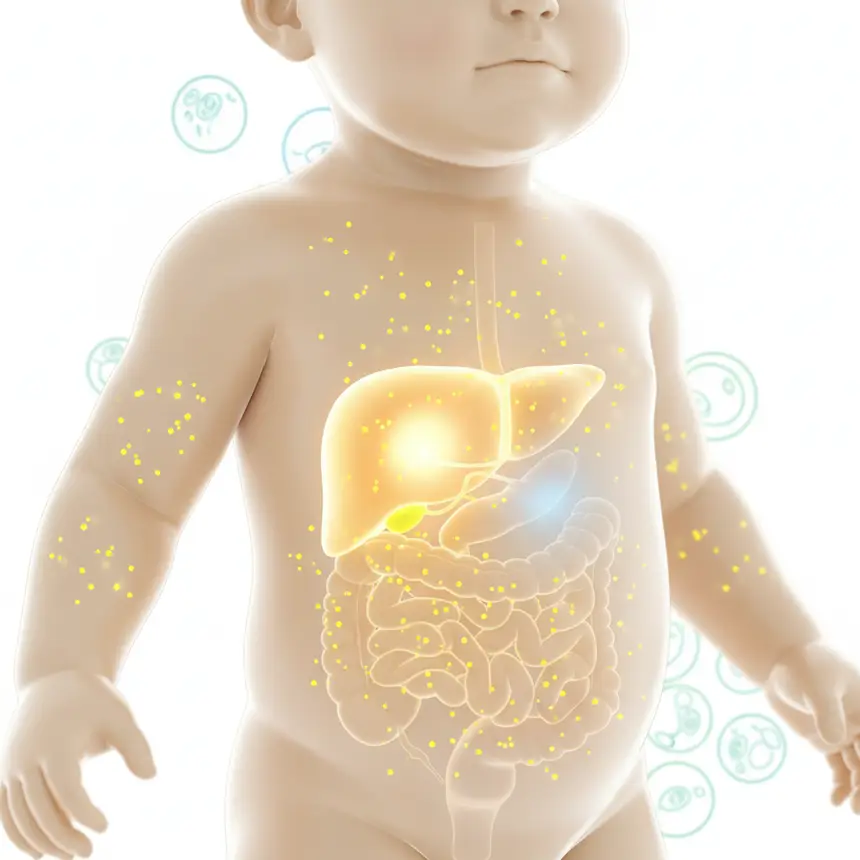
The Science Behind Baby's Yellow Skin: Bilirubin and Immature Liver Function
The yellowing of a baby's skin is most often due to 'newborn jaundice,' a condition experienced by about 60-70% of all newborns. It occurs when there's an excess of bilirubin, a yellow pigment produced when red blood cells naturally break down. In adults, the liver efficiently processes bilirubin for excretion. However, a newborn's liver is still developing and not yet fully equipped to handle this process efficiently. Consequently, bilirubin can build up in the bloodstream, leading to the yellow appearance of the skin and whites of the eyes. This typically starts on the baby's face and can spread downwards to the chest, abdomen, and legs. Observing how far down the body the yellow tint extends is helpful. Pressing on the skin; if a yellow mark remains, it suggests jaundice. However, a professional diagnosis is crucial.
※ This post contains affiliate links. I may earn a commission at no extra cost to you.


Navigating Breast Milk Jaundice and Monitoring Your Baby's Well-being
Amongst the different types of newborn jaundice, 'breast milk jaundice' is a specific form frequently seen in breastfed infants. It typically appears around 5 to 7 days after birth and can persist for several weeks. A key characteristic is that the baby generally remains healthy and active. If your baby is feeding well, sleeping soundly, and has normal activity levels, there's usually no significant cause for alarm. While some theories suggest breast milk components might temporarily slow bilirubin excretion, in most cases, there's no need to interrupt breastfeeding, as the condition resolves naturally. If your baby seems content and thriving, watchful waiting is often best. However, if your baby becomes lethargic or isn't feeding well, consult a healthcare professional. Rest assured, breast milk jaundice is often harmless.

Practical Steps for Parents When Noticing Yellow Skin
When you notice a change in your baby's skin color, the most crucial first step is consistent observation. It's helpful to regularly check and note the degree and spread of the yellow tint, ideally at the same time each day under similar lighting conditions. Pay attention to whether the yellowing is confined to the face, or if it has moved to the chest or below the belly button, or if it seems to be fading. Alongside this, assess your baby's overall well-being: Are they feeding adequately? Are they having enough wet and dirty diapers? Are they as active and alert as usual? If your baby appears unusually sleepy, isn't feeding well, or seems listless and less energetic than normal, do not hesitate to seek medical advice.

Navigating Parenthood with Calmness and Informed Care
Early parenthood is a journey filled with new experiences, and every tiny change in your baby can send your emotions on a rollercoaster ride. This is especially true when facing common but concerning phenomena like newborn jaundice. Remember that most cases of newborn jaundice resolve naturally with time. What's most important is to observe your baby carefully and seek professional guidance when necessary. Parental anxiety can subtly affect your baby, so maintaining a calm and positive outlook while caring for your little one is beneficial for both of you. We hope this guide offers some reassurance and practical insights, making your parenting journey a little more peaceful and enjoyable.
Frequently Asked Questions
Q. How yellow is too yellow for my baby's skin?
A. If the yellow color extends beyond your baby's face to their chest or below the belly button, or if your baby seems lethargic or isn't feeding well, it's best to have them checked by a healthcare professional. When in doubt, especially with the first signs of yellow skin, consulting with your pediatrician is always the safest approach.
Q. Can I continue breastfeeding if my baby has breast milk jaundice?
A. In most cases of breast milk jaundice, if your baby is generally healthy, feeding well, and active, there's no need to stop breastfeeding. While certain breast milk components might temporarily slow bilirubin excretion, the condition usually resolves on its own. However, if you observe any concerning symptoms in your baby, always consult with a doctor.
Q. Is there a way to check for jaundice at home?
A. You can gently press on your baby's skin with your finger; if a yellowish tint remains for a moment after you release, it might indicate jaundice. However, this is only a preliminary observation. A precise diagnosis requires a medical examination. It's crucial to combine visual observation with an assessment of your baby's overall health.
Q. How long does newborn jaundice typically last?
A. Most common types of newborn jaundice resolve naturally within 1 to 2 weeks after birth. Breast milk jaundice can sometimes last for several weeks or even a few months, but it generally fades gradually without significantly impacting the baby's health. If jaundice persists for a long time or seems to worsen, consult your healthcare provider.
Q. What are the potential risks if newborn jaundice becomes severe?
A. While most newborn jaundice cases are benign, very high levels of bilirubin can, in rare instances, be harmful to a baby's brain. Therefore, if you notice the jaundice intensifying or your baby showing signs of distress, it is crucial to seek immediate medical attention and professional evaluation.