Curious about your 5-year-old's average height? Discover essential information about average heights by age and key growth management tips including nutrition, exercise, and sleep for your child's healthy development. Support your child's height growth with our comprehensive guide.

Is My Child Falling Behind? Understanding Height in Preschoolers
Have you ever found yourself wondering if your child is shorter than their peers, especially when they line up for school or stand next to friends in photos? It's a common concern for parents to see their little one always at the front of the line or appearing smaller than other children their age. Thoughts like 'Is something wrong with their growth?' or 'They eat well and sleep enough, so why aren't they growing taller?' can often cross our minds. This worry is particularly prevalent when it comes to understanding the average height for a 5-year-old. Instead of letting vague anxieties about your child's height growth take over, let's explore accurate information and effective strategies to support their healthy development.
Decoding the Numbers: What is the Average Height for Toddlers and Preschoolers?
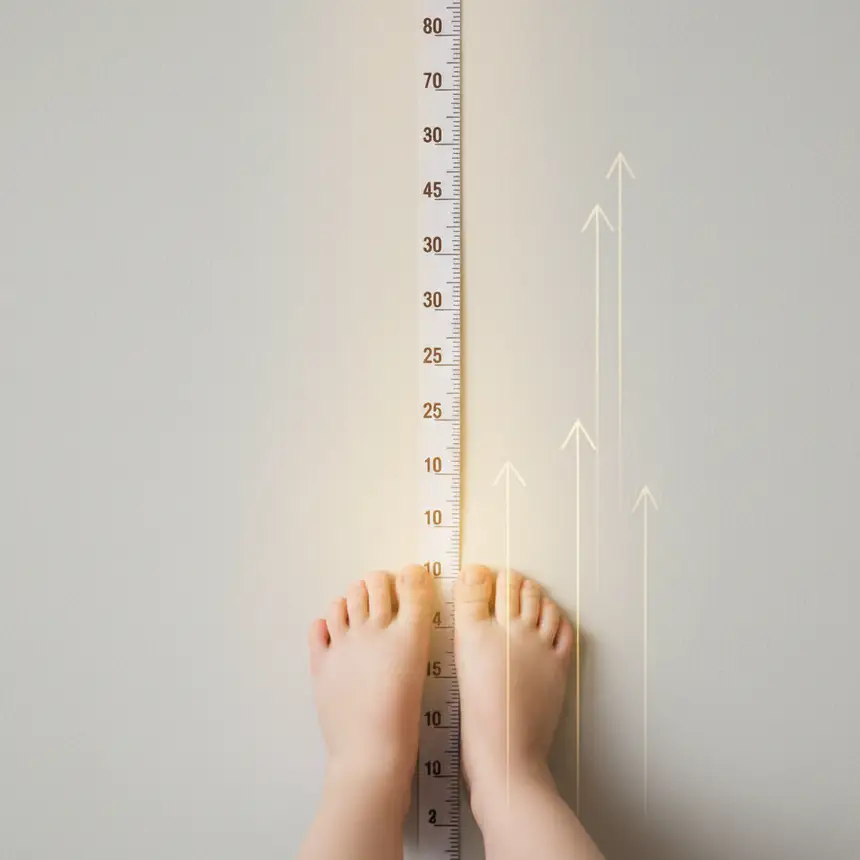
While every child grows at their own pace and there's no need to strictly adhere to average numbers, having a general guideline can be helpful in understanding your child's developmental journey. Based on various growth charts and data, here’s what you might expect for average heights across different ages. For a 4-year-old, the average height typically hovers around 40.4 inches (102.5 cm). As they approach their fifth birthday, the average height for a 5-year-old is generally around 43.1 inches (109.5 cm). Earlier in life, around their second birthday, many toddlers reach approximately 35.4 inches (90 cm). These figures serve as reference points, not rigid expectations, to help you gauge your child's growth pattern. If your child is growing less than 1.5-2 inches (4-5 cm) per year, or consistently falls below the 4th percentile on standard growth charts, it might be wise to discuss this with your pediatrician for a more detailed assessment.
※ This post contains affiliate links. I may earn a commission at no extra cost to you.


The Pillars of Growth: Nutrition, Activity, and Rest
Healthy height development in children isn't solely determined by genetics; it’s a complex interplay of various lifestyle factors. First and foremost, balanced nutrition is critical. Protein is vital for growth and tissue repair, while calcium and Vitamin D directly contribute to bone health. Ensuring a rich intake of vitamins and minerals through diverse fruits and vegetables is also crucial. It’s best to minimize processed foods and sugary snacks. Second, regular physical activity stimulates growth plates and enhances bone density. Activities like jumping rope, running, swimming, and stretching can positively impact height development. Third, adequate and quality sleep is paramount for the secretion of growth hormones. Establishing a consistent bedtime routine and creating a dark, comfortable sleep environment helps your child achieve the deep sleep necessary for optimal growth. When these three elements work in harmony, children can reach their full growth potential.
Practical Steps for Parents to Support Healthy Child Growth
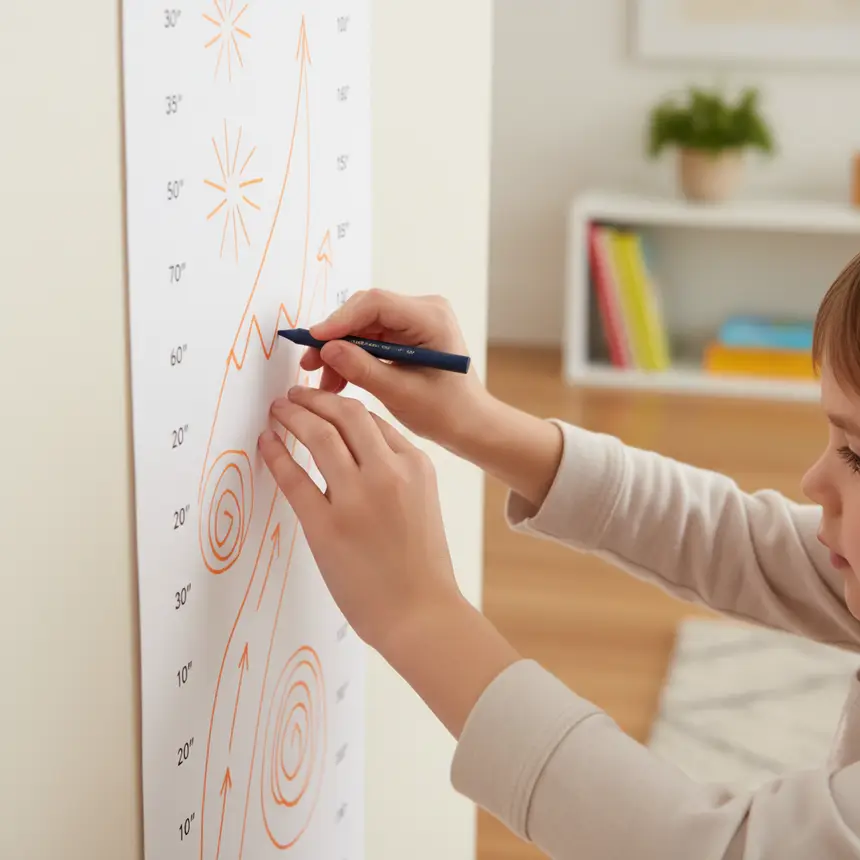
As parents, there are several concrete steps you can take daily to support your child's height development. Start by creating a 'growth journal' to regularly measure and record your child's height and weight. This provides a clear overview of their growth curve, helping you spot any potential deviations early on. Next, cultivate 'joyful mealtimes.' Experiment with healthy ingredients your child enjoys and create a positive dining atmosphere where the whole family eats together. For instance, offer whole-grain cereal with milk and a piece of fruit for breakfast, or nuts and yogurt as healthy snacks. Third, prioritize 'play-based exercise.' Whether it's biking in the park on weekends or dancing to lively music at home, encourage activities where your child enjoys being active. Finally, establish a 'sleep ritual.' About 30 minutes before bedtime, discourage screen time and create a relaxing routine like a warm bath or reading a calming storybook to help your child drift off to sleep naturally.

Nurturing Growth: A Journey of Patience and Attentiveness
Concerns about your 5-year-old's average height or general toddler growth are a natural expression of parental care. However, it's more beneficial to focus on your child's overall health and happiness rather than solely on numbers. Every child grows at their own unique pace, which is a perfectly natural process. There's no need to feel overly anxious or rushed if there are temporary shifts in their growth curve or minor differences compared to peers. Your loving support, consistent attention, and commitment to providing healthy lifestyle habits are the strongest foundations for your child to thrive and reach their full potential. Embrace patience and confidence in their journey. Your child is sure to grow up healthy and strong.
Frequently Asked Questions
Q. My child seems shorter than other kids their age. Is there a problem with their growth?
A. A child's height is influenced by genetics, nutrition, sleep, activity, and varies greatly. Being shorter than peers doesn't automatically mean there's a problem. If your child grows less than 1.5-2 inches per year or consistently stays below the 4th percentile on growth charts, it's a good idea to consult a pediatrician.
Q. What kind of foods are best for my child's height development?
A. A balanced diet is key. Focus on foods rich in protein (lean meats, legumes, eggs), calcium (dairy, fortified foods), and Vitamin D (sun exposure, supplements, certain foods). It's also beneficial to limit processed foods and sugary treats.
Q. What types of activities can encourage healthy growth in children?
A. Activities that stimulate growth plates and involve the whole body are beneficial. Encourage sports like jumping rope, running, swimming, basketball, and stretching. Aim for at least 30 minutes of regular physical activity daily that your child enjoys.
Q. How crucial is sleep for a child's height?
A. Sleep is extremely important. Growth hormone is primarily released during deep sleep. Ensuring your child gets sufficient, quality sleep through a consistent bedtime and a dark, quiet sleep environment is crucial for their development.
Q. When is it appropriate to talk to a doctor about my child's growth?
A. If your child is growing less than 1.5-2 inches per year, consistently falls below the 4th percentile on growth charts, or you notice a sudden slowdown in growth, it's advisable to consult a pediatrician. They can help determine the cause and provide appropriate guidance.