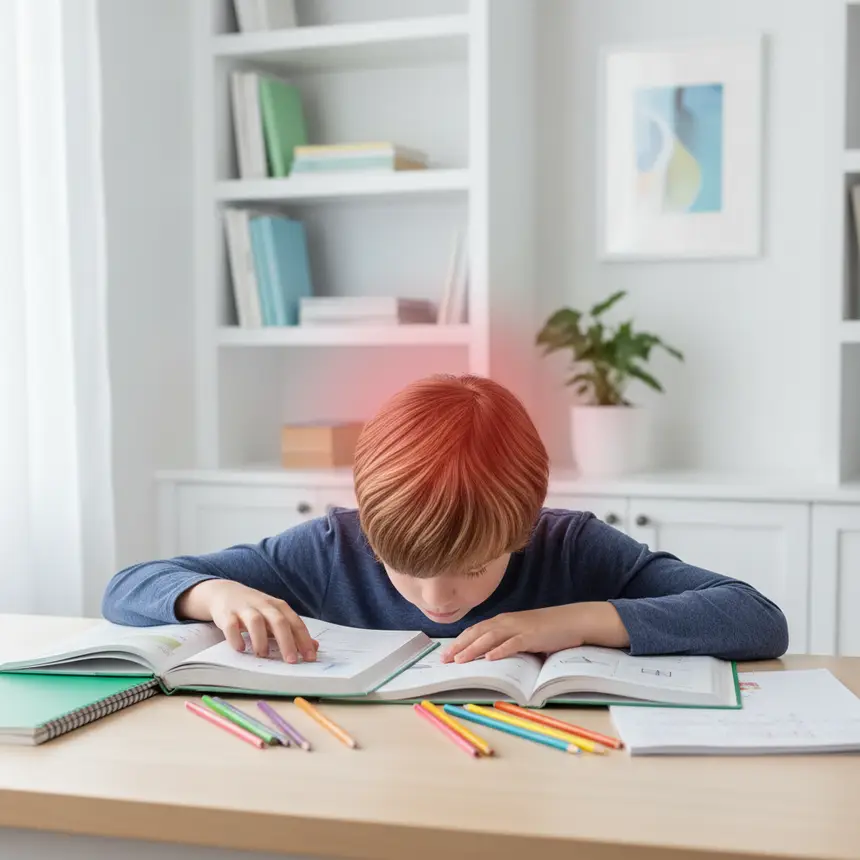
Concerned about your elementary child's low activity levels and self-esteem? Learn why essential physical activity is crucial for growing children and how consistent exercise habits positively impact their self-esteem, discipline, and physical fitness.

The Impact of Decreased Physical Activity on Children: Physical and Emotional Shifts
In today's world, many elementary school-aged children are spending more time indoors, leading to a noticeable decrease in their physical activity levels. Kids who once loved playing outside are now often more comfortable with screens and indoor entertainment. This shift isn't just about burning fewer calories; it subtly but significantly affects a child's overall development. If your child seems to tire easily, lacks enthusiasm, or gives up quickly when faced with challenges, reduced physical activity might be a contributing factor. For growing children, sufficient physical activity is far more than just playtime; it's essential for healthy physical development and fostering a positive self-concept. A lack of movement can lead not only to decreased stamina but also to withdrawn behavior in peer interactions and a fear of trying new things, highlighting the need for parental attention.

The Positive Effects of Structured Physical Activity on Child Growth and Self-Esteem
Elementary school years are a critical period marked by rapid physical, emotional, and social development. During this time, regular and structured physical activity forms a fundamental basis for a child's healthy growth. Beyond just moving their bodies, children gain numerous benefits from engaging in consistent exercise:
These multifaceted positive changes empower children to face the world with a brighter, more optimistic attitude. The experiences gained through physical activity will establish important values that last throughout their lives.
- Improved Physical Fitness and Healthy Habits: Regular movement enhances muscle strength, endurance, and flexibility, while also helping to maintain proper posture. This not only aids in preventing obesity but also boosts immunity against illnesses.
- Enhanced Confidence and Self-Esteem: Through exercise, children learn to set and achieve small goals, cultivating a sense of accomplishment and a positive 'I can do it' attitude. The pride felt after mastering a challenging move is an invaluable experience.
- Development of Focus and Patience: The process of repeating specific movements and learning new skills naturally demands concentration and significantly helps in building patience. These improvements can also positively impact academic performance.
- Cultivation of Social Skills and Discipline: Group sports or activities that require following instructions naturally teach children cooperation, etiquette, and the importance of adhering to rules. This supports their healthy development across home and school life.
These multifaceted positive changes empower children to face the world with a brighter, more optimistic attitude. The experiences gained through physical activity will establish important values that last throughout their lives.
※ This post contains affiliate links. I may earn a commission at no extra cost to you.


Practical Guide: Choosing the Right Activities and Fostering Consistent Participation
It's a parent's role to communicate the importance of physical activity to their children. However, it's more effective to pique a child's interest and encourage their voluntary participation rather than forcing it. Here’s a practical guide to help establish healthy exercise habits for your child's optimal development:
1. Prioritize Your Child's Interests: It's best to explore activities together that your child genuinely enjoys. Look into various options like soccer, swimming, dance, or a specific martial art – anything that sparks their enthusiasm. They are more likely to stick with something they find fun.
2. Consistency is Key: Rather than setting ambitious goals from the start, aim for realistic participation, perhaps two to three times a week. Consistent encouragement and support from parents are vital until the activity becomes a regular habit.
3. Acknowledge and Praise Small Achievements: When your child learns a new move or reaches a small goal, offer genuine praise. Specific compliments, like 'You really mastered that today!' can significantly boost their confidence.
4. Provide a Safe and Positive Environment: Ensure that the environment where your child is active is safe and that instruction methods are age-appropriate. An atmosphere that focuses on the child's personal growth, rather than excessive competition, is generally more beneficial.
Consistent physical activity is one of the best investments you can make in your child's physical and mental well-being. Why not start today by creating opportunities for your child to move and enjoy themselves?
1. Prioritize Your Child's Interests: It's best to explore activities together that your child genuinely enjoys. Look into various options like soccer, swimming, dance, or a specific martial art – anything that sparks their enthusiasm. They are more likely to stick with something they find fun.
2. Consistency is Key: Rather than setting ambitious goals from the start, aim for realistic participation, perhaps two to three times a week. Consistent encouragement and support from parents are vital until the activity becomes a regular habit.
3. Acknowledge and Praise Small Achievements: When your child learns a new move or reaches a small goal, offer genuine praise. Specific compliments, like 'You really mastered that today!' can significantly boost their confidence.
4. Provide a Safe and Positive Environment: Ensure that the environment where your child is active is safe and that instruction methods are age-appropriate. An atmosphere that focuses on the child's personal growth, rather than excessive competition, is generally more beneficial.
Consistent physical activity is one of the best investments you can make in your child's physical and mental well-being. Why not start today by creating opportunities for your child to move and enjoy themselves?
Frequently Asked Questions
Q. My child doesn't like exercise. How can I get them started?
A. If your child isn't interested in exercise, try starting with play-based activities that focus on fun rather than competition. For instance, you could suggest playing in the park together, riding bikes, or simple stretching games. Incorporating exercise into activities they already enjoy, like tying it to their favorite characters or stories, can also be effective. Moreover, demonstrating your own enjoyment of physical activity can be a great motivator for your child.
Q. What types of exercises are suitable for elementary school children?
A. For elementary school children, exercises that utilize the whole body and help develop balance and coordination are ideal. Popular options include swimming, soccer, basketball, martial arts like Taekwondo, jumping rope, and bike riding. It’s important to consider your child's age, physical development level, and personal preferences when making a choice.
Q. Can exercise help my child's academic performance?
A. Yes, absolutely. Regular physical activity can increase blood flow to the brain, which may help improve cognitive functions. Exercise can also enhance concentration, memory, and problem-solving skills, and by reducing stress, it can boost learning efficiency. Structured physical activity also positively influences the development of organized life habits.
Q. Besides regular exercise, what else can boost my child's confidence?
A. Beyond exercise, it's crucial to identify and praise your child's strengths. Creating frequent opportunities for small successes, and giving them chances to make their own decisions and take responsibility, also helps build confidence. Furthermore, providing a stable home environment where your child's opinions are respected and validated is very important.
Q. How can parents help their children stick with exercise consistently?
A. Active parental involvement and support are essential. This includes helping manage their exercise schedule, encouraging them when they face difficulties, and praising even small achievements. If possible, participate in activities with them, or take time to listen and discuss their experiences after exercise. Consistency in a child's routine often stems from consistent parental support.