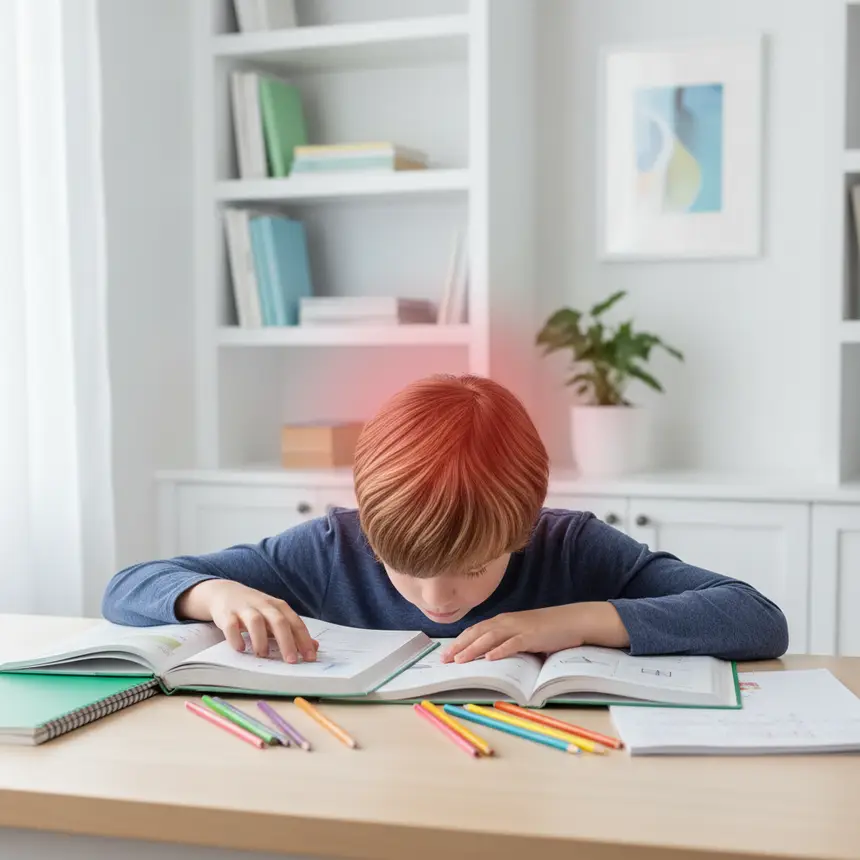
If your elementary school child says, 'My chest feels tight' or 'My heart is pounding,' pay attention. These might not be mere complaints but signs of anxiety. Learn to understand your child's anxiety signals and discover how parental support and practical lifestyle changes can foster healthy development.

Your Elementary Schooler Says, 'Mom, My Chest Feels Tight': The Start of Unspoken Worries
What should parents do when their child suddenly says, 'My chest feels tight,' 'My heart is pounding,' or 'It's hard to breathe'? Many parents might dismiss these complaints as mere stress or a temporary off day. However, if these physical symptoms occur repeatedly and start affecting the child's daily life, they could signify something more than just a passing mood. Frequent stomach aches before school, difficulty sleeping, or unusual sensitivity could all be signs of anxiety commonly seen in elementary school children. Children often struggle to express complex emotions with words like adults do, so they may manifest their anxiety through physical discomforts like chest tightness or a racing heart. It's crucial not to overlook these signals and instead delve into what your child might be feeling.

Understanding and Nurturing Your Child's Anxiety: Signals from Body and Mind
Anxiety in children can present in many forms. It's essential for parents to first recognize the signals their child is sending.
The Many Faces of Anxiety: What Signals Is Your Child Sending?
Practical Strategies to Manage Anxiety Through a Balanced Lifestyle
Addressing a child's anxiety requires efforts to balance both their physical and psychological well-being.
1. Consistent Sleep Habits: Sufficient and quality sleep is vital for a child's emotional regulation. Encourage going to bed and waking up at the same time daily, avoiding screens before bedtime, and creating a calming sleep environment.
2. Nutritious Diet: Reduce sugar and processed foods. Instead, incorporate foods rich in nutrients that support brain health and nerve calmness (like magnesium and Omega-3 fatty acids), such as nuts, fatty fish, and leafy green vegetables. The connection between gut health and brain function is also important, so probiotic-rich foods can be beneficial.
3. Appropriate Physical Activity: Regular outdoor play helps release stress and boosts endorphin production, which improves mood. Spending time playing in nature and getting sunlight can significantly help stabilize a child's emotions.
4. Practicing Emotional Expression: Create a safe space where your child feels comfortable openly discussing their feelings. Validating their emotions by saying things like, 'You must be upset,' or 'That sounds frustrating,' is crucial. Simple breathing exercises and mindfulness activities can also be effective in managing anxious feelings.
The Many Faces of Anxiety: What Signals Is Your Child Sending?
- Excessive Worry: This is when everyday life becomes permeated with constant 'what if' thoughts about minor issues, even without specific reasons.
- Social Difficulties: A child might experience extreme discomfort giving presentations in front of strangers or large groups, avoid eye contact, and shy away from interacting with peers.
- Separation Anxiety: This involves intense distress even at brief separations from parents, inability to focus in school due to preoccupation with parents, and frequently trying to contact them. It's most commonly observed in younger elementary school-aged children.
- Sudden Physical Reactions: Unexpectedly, a child might complain of severe heart palpitations, difficulty breathing, dizziness, trembling hands or feet, or express extreme fear, saying things like 'I feel like I'm dying.'
Practical Strategies to Manage Anxiety Through a Balanced Lifestyle
Addressing a child's anxiety requires efforts to balance both their physical and psychological well-being.
1. Consistent Sleep Habits: Sufficient and quality sleep is vital for a child's emotional regulation. Encourage going to bed and waking up at the same time daily, avoiding screens before bedtime, and creating a calming sleep environment.
2. Nutritious Diet: Reduce sugar and processed foods. Instead, incorporate foods rich in nutrients that support brain health and nerve calmness (like magnesium and Omega-3 fatty acids), such as nuts, fatty fish, and leafy green vegetables. The connection between gut health and brain function is also important, so probiotic-rich foods can be beneficial.
3. Appropriate Physical Activity: Regular outdoor play helps release stress and boosts endorphin production, which improves mood. Spending time playing in nature and getting sunlight can significantly help stabilize a child's emotions.
4. Practicing Emotional Expression: Create a safe space where your child feels comfortable openly discussing their feelings. Validating their emotions by saying things like, 'You must be upset,' or 'That sounds frustrating,' is crucial. Simple breathing exercises and mindfulness activities can also be effective in managing anxious feelings.
※ This post contains affiliate links. I may earn a commission at no extra cost to you.


Your Child's Anxiety: Parental Warmth, Interest, and Support Are the Greatest Strengths
Anxiety during elementary school years can be a natural part of a child's emotional experience, but sometimes it signals a need for active parental support. When your child says they're 'struggling,' it's crucial to accept their words as they are and respond with empathy, such as, 'That must have been really tough.' Instead of scolding them or grilling them about the cause of their anxiety, gently ask 'When and in what situations did you feel that way?' This helps the child recognize their own feelings and circumstances.
What anxious children need most is consistent parental interest and support. Work together to establish healthy habits (regular sleep, nutritious meals, sufficient activity) and encourage them to learn self-regulation skills. If your child's anxiety symptoms persist or significantly impact their daily life, do not hesitate to seek professional help. Your child's mental well-being is a critical foundation for healthy growth and development. Through your warm understanding and efforts, support your child to grow up healthy and happy.
What anxious children need most is consistent parental interest and support. Work together to establish healthy habits (regular sleep, nutritious meals, sufficient activity) and encourage them to learn self-regulation skills. If your child's anxiety symptoms persist or significantly impact their daily life, do not hesitate to seek professional help. Your child's mental well-being is a critical foundation for healthy growth and development. Through your warm understanding and efforts, support your child to grow up healthy and happy.
Frequently Asked Questions
Q. My elementary school child frequently complains about chest tightness or heart palpitations. Should I take them to the doctor?
A. If your child repeatedly complains about these physical symptoms, and they are affecting their school life or daily routine, it's a good idea to consider visiting a pediatrician. It's important to first rule out any physical causes. If there are no specific physical issues, then exploring your child's psychological state is the next crucial step.
Q. What should I say to my child when they are feeling anxious?
A. It's important to acknowledge and validate your child's feelings. For example, say things like, 'It sounds like you're very worried right now,' or 'It must have been hard to feel your chest so tight.' Instead of saying 'It's okay' or 'It's nothing,' try to convey that you understand their difficult feelings and are there for them.
Q. Are there specific activities we can do at home to help reduce my child's anxiety?
A. You can practice deep breathing exercises together, listen to their favorite music, or do some light stretching. Creative activities like drawing or making up stories can also help children express their emotions, which can be beneficial in alleviating anxiety.
Q. How can I tell if my child's stomach ache when they don't want to go to school is due to anxiety?
A. Abdominal pain accompanying school refusal is a common symptom of anxiety. If the stomach aches only occur on school mornings but not on weekends or holidays, or if your child reacts sensitively to discussions about school, it could be due to anxiety. It's helpful to observe any other changes in their behavior or emotional state.