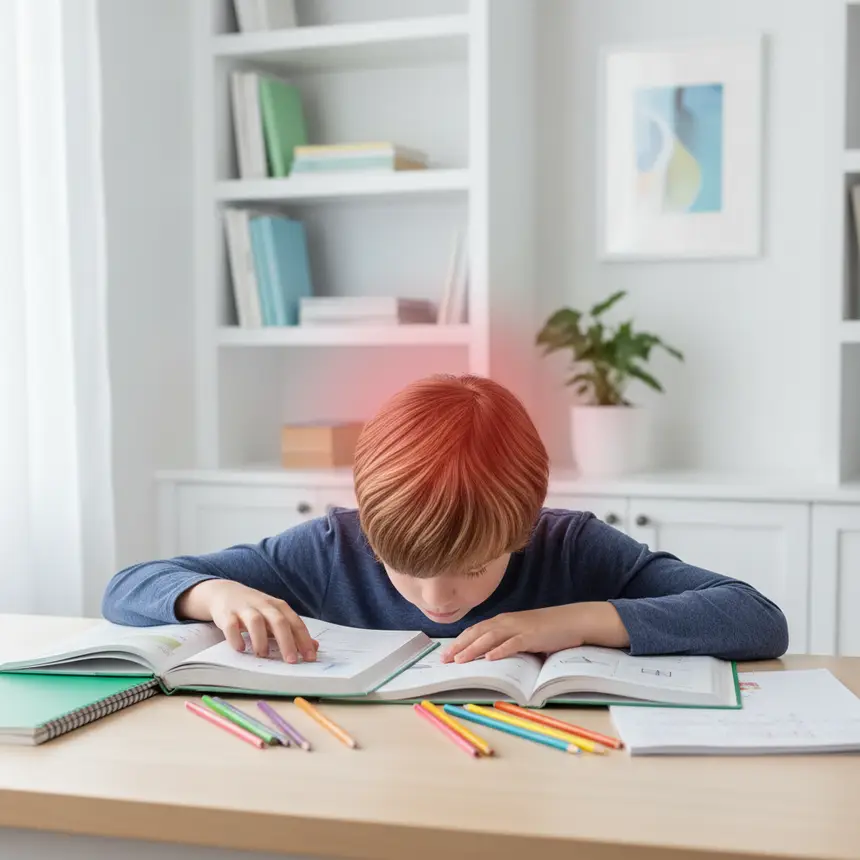
Navigating child discipline can be challenging. Discover compassionate and effective strategies to guide your child's behavior, foster self-esteem, and build a stronger parent-child bond. Learn how to turn discipline into a positive learning experience.

Mastering Effective Discipline: Guiding Little Ones with Love
Ever feel like you’re walking a tightrope when it comes to guiding your child’s behavior? It’s a common challenge for parents. While discipline is crucial for a child's safety and healthy development, it’s easy to get caught up in the moment, reacting emotionally or using methods that aren’t truly effective. Such approaches can inadvertently harm a child's self-esteem and chip away at the trust you've built. Effective child discipline isn't about punishment; it's about teaching children to understand their actions and make positive choices independently. Let's explore smart, empathetic ways to guide your child's growth.

Why Discipline Often Misses the Mark: Common Pitfalls
Many parents find themselves struggling with discipline, often due to a few common missteps. First, emotional reactions tend to derail good intentions. When children push boundaries repeatedly, it's natural for parents to get frustrated and raise their voices. While yelling might temporarily stop a behavior, it primarily instills fear, not understanding, damaging trust and self-esteem. Second, inconsistency is a major hurdle. If a behavior is allowed one day but reprimanded the next, children become confused about expectations. Third, bringing up past mistakes undermines the present lesson. Focusing on "you always do this" instead of the current issue only causes resentment and makes it harder for a child to learn. Recognizing these pitfalls is the first step toward more effective guidance.
※ This post contains affiliate links. I may earn a commission at no extra cost to you.


Four Core Principles for Heart-Centered Discipline
Effective discipline works best when it comes from a place of understanding and respect for your child. These four principles can help your child learn right from wrong and develop crucial self-regulation skills:
- Maintain a Calm, Firm Tone: Avoid raising your voice. Instead, speak calmly but firmly. Your consistent, unwavering tone conveys the seriousness of the situation much more effectively than shouting, creating an environment where your child can truly listen.
- Foster Self-Reflection: The goal isn't just an apology. Ask open-ended questions like, "What happened here?" or "How do you think that made your friend feel?" Guide your child to connect their actions with consequences, promoting genuine understanding rather than rote obedience.
- Focus on the Present Behavior: When disciplining, address only the specific action that just occurred. Bringing up past missteps or unrelated issues can overwhelm your child, make them defensive, and distract from the immediate lesson. Keep it clear and concise.
- Connect Before You Correct: Get down to your child's eye level and acknowledge their feelings first. Say, "I see you're upset because..." before explaining why their action was inappropriate. Empathy helps children feel heard and makes them more receptive to guidance.

Practical Tips for Daily Discipline Success
Discipline isn't just for big moments; its true power lies in consistent, daily application. Implement these tips to continuously support your child's positive development:
- Establish Clear, Consistent Rules: Create simple, understandable rules for the whole family to follow. For example, "We put away our toys after playing." The key is applying these rules consistently every single time.
- Allow Natural Consequences: Let your child experience the natural outcomes of their actions whenever safe and appropriate. If they don't clean up their blocks, they might have less time for the next activity. This teaches responsibility more effectively than lectures.
- Manage Your Own Emotions: Before disciplining, take a moment to regulate your own feelings. If you're feeling angry, take a few deep breaths or step away briefly before engaging with your child. Your calm demeanor sets a powerful example.
- Praise and Encourage Good Behavior: When your child does something right, offer immediate and specific praise. Positive reinforcement is a powerful motivator. "I love how you shared your doll with your sister!" is more impactful than a general "Good job."

Discipline: A Deep Expression of Love
Disciplining a child is far more than just correcting misbehavior; it's about teaching essential values and social norms that will help them thrive as well-adjusted individuals. While it can be exhausting at times, your patience and thoughtful approach are building blocks for your child's autonomy, responsibility, and problem-solving skills. Remember, discipline isn't punishment; it's a profound act of love, guiding your child toward their best self. Through consistent and loving effort, you can build a future where both you and your child grow happily and healthily. Start today by embracing a mindful and respectful approach to guiding your little one.
Frequently Asked Questions
Q. Is it okay to always say "no" when my child misbehaves?
A. Constantly saying "no" without explanation can be unhelpful. Instead, briefly explain why their action is not okay in a way they can understand. For instance, say, "Don't run, you might fall and get hurt," connecting the action to its potential consequence.
Q. My child seems really sad after being disciplined. What should I do?
A. It's normal for children to feel sad or upset after discipline. Offer comfort and reassurance. You can say, "I understand you're sad, and it's okay to feel that way. But we still need to work on not doing X." Acknowledge their feelings while reinforcing the behavioral boundary.
Q. How can I effectively discipline siblings when they fight?
A. When siblings fight, first listen to both sides to understand their perspectives. Help them identify the cause of the conflict and how their actions affected each other. Guide them to find a solution together and teach them mutual respect.
Q. Is it a problem if parents have different discipline styles?
A. While minor differences are normal, it's best for children if parents are consistent on core rules and values. Discuss and agree on a unified approach for important issues to avoid confusing your child and to provide a sense of security and clear expectations.