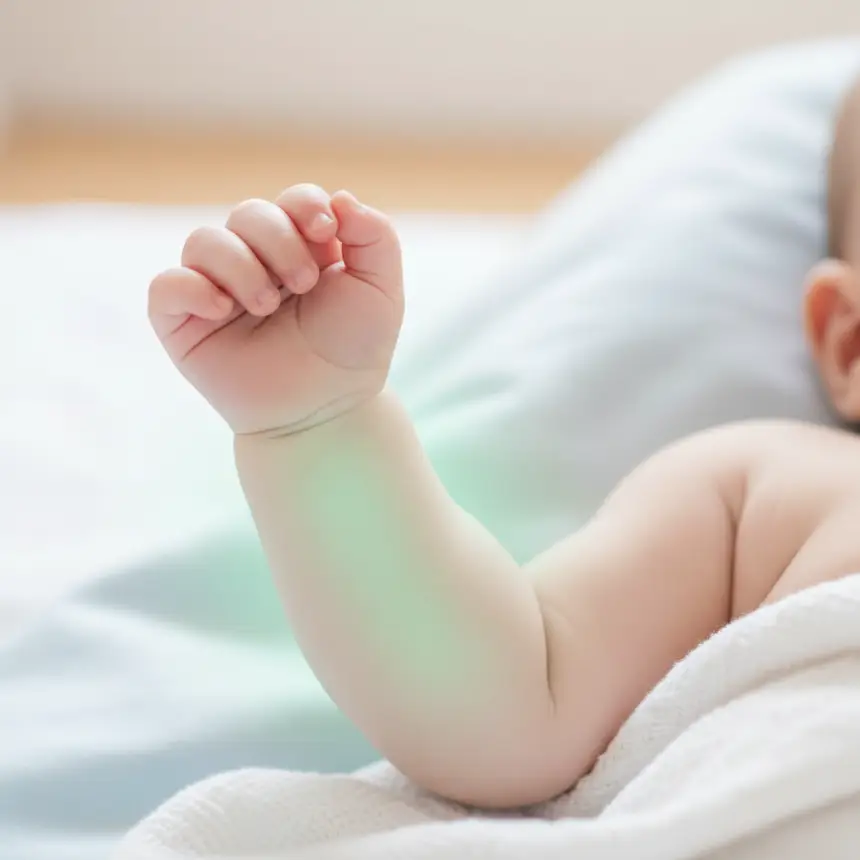
A comprehensive guide for parents struggling with newborn sleep training. Discover effective strategies for creating an optimal sleep environment, including white noise utilization and soothing techniques like shush-pat methods. Get practical advice for peaceful nights for your baby and your entire family.

The Crucial Role of a Stable Sleep Environment for Infant Well-being
For newborns, consistent and restful sleep is fundamental for their physical and cognitive development. Many parents find the journey of newborn sleep training challenging. Infants often struggle with distinguishing day from night and are highly sensitive to changes in their surroundings. In such cases, consistent auditory cues like white noise can provide a sense of security, reminiscent of the womb, helping to block out external disturbances and calm their nervous system. When a baby sleeps soundly, growth hormone secretion is optimized, and cognitive development is positively influenced. Furthermore, parents can find much-needed rest, reducing parenting stress and contributing to the overall health and happiness of the entire family. Therefore, creating an optimal sleep environment for your baby goes beyond merely getting them to sleep; it's a vital process that enhances their holistic development and improves family quality of life.

The Power of Sound: In-Depth Look at Sleep-Inducing Techniques for Babies
Among various methods to help babies drift into peaceful slumber, utilizing consistent sounds proves highly effective. Sounds like a soft 'shhh' or a gentle 'ahhh' mimic the familiar sounds of a mother's heartbeat or the blood flow within the womb. This familiarity makes babies feel secure and safe, reducing anxiety and stabilizing their nervous system, thus making it easier for them to fall asleep. Techniques such as 'shush-pat' involve softly shushing the baby while gently patting their back, while the 'ahhh-pat' method uses a similar soothing tone. Beyond these, consistent white noise, natural sounds (like rain or ocean waves), and soft lullabies can mask sudden external noises, helping babies achieve deeper, undisturbed sleep. Modern baby sleep aids often include features like cry detection sensors that automatically play soothing sounds, or gentle night lights for nighttime feedings. These tools can significantly ease the parental burden while maintaining a consistent sleep environment.
※ This post contains affiliate links. I may earn a commission at no extra cost to you.


Practical Guide for Successful Sleep Induction
A consistent approach is key to helping your baby achieve restful sleep. Here are several practical methods you can implement:
1. Recognize Sleep Cues: It's crucial to catch early signs of drowsiness, such as rubbing eyes, yawning, or fussiness.
2. Establish a Consistent Bedtime Routine: Create a daily routine including activities like a warm bath, feeding, reading a book, and quiet time, all at similar times each day. A predictable routine helps your baby understand it's time for sleep.
3. Utilize Appropriate Sounds: After placing your baby in their crib, use a soft 'shhh' or 'ahhh' sound, or play white noise at a low volume. The sound level should be no louder than a vacuum cleaner, ideally below 60 decibels. Initially, maintain the sound until your baby falls asleep, then gradually reduce the playback duration.
4. Gradually Reduce Intervention: If your baby cries, resist the urge to pick them up immediately. Instead, try gently patting their back or using soothing sounds first. Gradually decrease your direct intervention, encouraging your baby to learn to fall asleep independently.
Consistently applying these guidelines will help your baby develop healthy sleep habits.
1. Recognize Sleep Cues: It's crucial to catch early signs of drowsiness, such as rubbing eyes, yawning, or fussiness.
2. Establish a Consistent Bedtime Routine: Create a daily routine including activities like a warm bath, feeding, reading a book, and quiet time, all at similar times each day. A predictable routine helps your baby understand it's time for sleep.
3. Utilize Appropriate Sounds: After placing your baby in their crib, use a soft 'shhh' or 'ahhh' sound, or play white noise at a low volume. The sound level should be no louder than a vacuum cleaner, ideally below 60 decibels. Initially, maintain the sound until your baby falls asleep, then gradually reduce the playback duration.
4. Gradually Reduce Intervention: If your baby cries, resist the urge to pick them up immediately. Instead, try gently patting their back or using soothing sounds first. Gradually decrease your direct intervention, encouraging your baby to learn to fall asleep independently.
Consistently applying these guidelines will help your baby develop healthy sleep habits.

Considerations and Safety Guidelines for Infant Sleep Training
The most appropriate time to begin newborn sleep training is generally after 6 weeks of age, when babies start to distinguish between day and night. However, every baby is unique, so a flexible approach tailored to your baby's developmental stage and temperament is essential.
- Safe Sleep Environment: Always place babies on their back to sleep. Ensure the crib is free of soft bedding, pillows, toys, or any items that pose a suffocation risk. A firm, flat mattress is crucial.
- Appropriate Sound Usage: Using white noise at excessively high volumes for extended periods can harm a baby's hearing. Maintain an appropriate volume and distance (at least 12 inches from the baby's head). It's also advisable to reduce the volume or gradually turn off the sound once the baby is asleep.
- Listen to Your Baby's Cues: Babies may struggle to sleep if they are ill, hungry, or experiencing growth spurts. In such cases, prioritize addressing their discomfort rather than pushing sleep training. Flexibility based on your baby's condition is key.
- Product Safety Verification: All sleep aids used near your baby must be safety-certified and confirmed to be free from harmful electromagnetic radiation or toxic substances. Safety is always the top priority.
Frequently Asked Questions
Q. When is the best time to start newborn sleep training?
A. It's generally recommended to start sleep training after 6 weeks of age, when babies begin to differentiate between day and night. However, every baby develops at their own pace, so it's important to start flexibly, considering your baby's individual readiness.
Q. What are the appropriate volume and distance for using white noise?
A. White noise should be placed at least 12 inches away from your baby's ear, and the volume should be adjusted to around 50-60 dB, which is quieter than a vacuum cleaner (around 70 dB). To protect their hearing, consider lowering the volume or turning it off once your baby is asleep.
Q. Can 'shush-pat' or 'ahhh-pat' methods be harmful to my baby?
A. 'Shush-pat' and 'ahhh-pat' are gentle sleep-inducing techniques designed to provide comfort and help babies fall asleep. They are not harmful and can even foster bonding between parent and baby. However, if your baby seems uncomfortable or continues to cry, stop immediately and address their needs.
Q. Should I continue sleep training if my baby is having a very fussy night?
A. If your baby is exceptionally fussy, it's crucial to first check if they are hungry or uncomfortable. It's best to pause sleep training during illness or growth spurts and prioritize your baby's immediate needs. A flexible approach, considering your baby's condition, is always best.