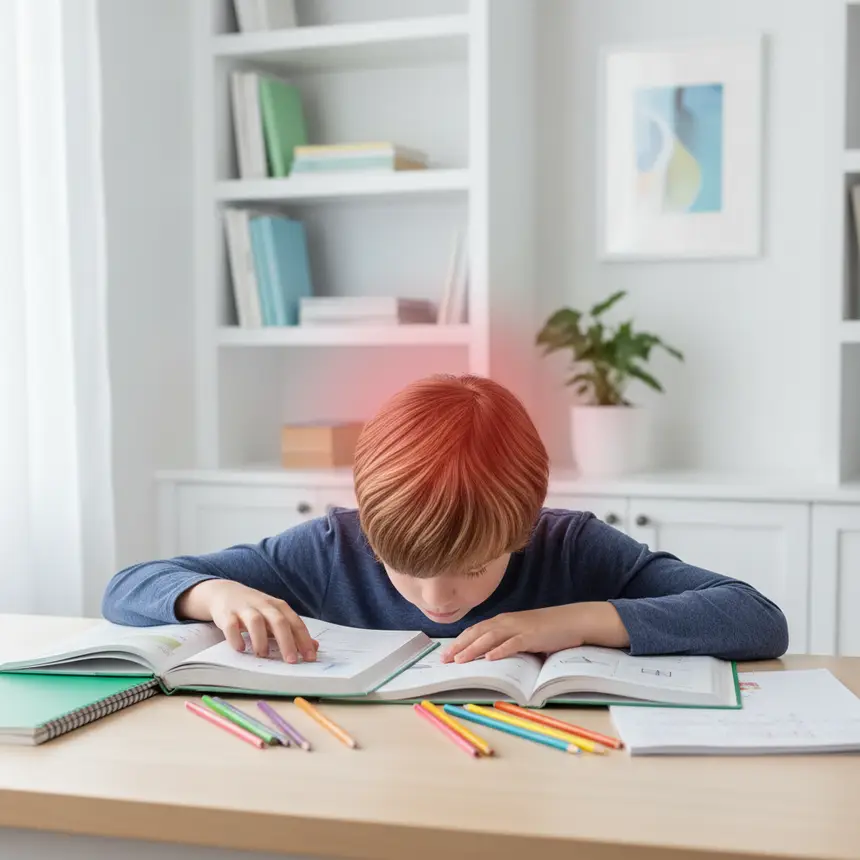
Is your child easily tired and losing focus? Discover the signs of iron deficiency and comprehensive solutions for nutritional imbalances to boost your child's vitality and healthy growth.

Is Your Child Showing Signs of Low Energy?
As children grow, parents often face a myriad of concerns. A common worry is when a child seems to tire easily, or consistently appears drained by the afternoon, more so than their peers. If you notice your child looking pale, or frequently zoning out and struggling to focus on play, it might be more than just simple fatigue. These can be subtle indicators that your child isn't getting enough essential micronutrients vital for their development. Specifically, a lack of iron in early childhood can significantly impact a child's overall energy levels and cognitive function. Paying close attention to these small signals from your child's body is crucial for supporting their healthy growth journey.

Understanding Nutritional Imbalances and Holistic Solutions for Your Child's Energy
One of the primary reasons children might lack essential nutrients is due to inconsistent or unbalanced eating habits. Kids who don't consume enough meat or green vegetables, for instance, are particularly susceptible to insufficient intake of vital minerals like iron. Iron plays a key role in hemoglobin production, aiding oxygen transport throughout the body, which is indispensable for energy generation and brain function. Beyond iron, a balanced supply of other nutrients like B vitamins and zinc is crucial for growing children. Here are comprehensive strategies to help restore your child's vitality and foster healthy development:
1. Craft a Balanced Diet: It’s important to fill your child's plate with a wide array of colorful vegetables, fruits, lean meats, fish, and legumes. Foods such as spinach, broccoli, red meats, and lentils are excellent sources of iron. Pairing these with vitamin C-rich fruits like oranges or strawberries can enhance iron absorption.
2. Consider Nutritional Supplements: If diet alone doesn't seem to cover all nutritional bases, child-specific supplements can be beneficial. When choosing a supplement, consider the following:
1. Craft a Balanced Diet: It’s important to fill your child's plate with a wide array of colorful vegetables, fruits, lean meats, fish, and legumes. Foods such as spinach, broccoli, red meats, and lentils are excellent sources of iron. Pairing these with vitamin C-rich fruits like oranges or strawberries can enhance iron absorption.
2. Consider Nutritional Supplements: If diet alone doesn't seem to cover all nutritional bases, child-specific supplements can be beneficial. When choosing a supplement, consider the following:
- High Bioavailability: Look for forms that are easily absorbed by the body (e.g., chelated iron).
- Child-Friendly Form: Opt for powders, syrups, or gummies that your child will readily accept without fuss.
- Ingredient Scrutiny: Prioritize products with minimal added sugars, artificial colors, and artificial flavors. Avoid any additives known to hinder nutrient absorption.
※ This post contains affiliate links. I may earn a commission at no extra cost to you.


The Power of Consistency: Nurturing Your Child's Bright Future
Efforts to boost your child's health and vitality rarely yield instant dramatic changes; rather, they require consistent dedication and patience. Starting today, reviewing your child's diet and establishing regular routines are small steps that cumulatively build a strong foundation for their healthy growth. If you're considering supplements, it's wise to consult with a healthcare professional to determine the right ingredients and dosages for your child's specific needs. Furthermore, closely observing your child's condition and adapting your approach as needed is also essential. Witnessing your child thrive, feel energetic, and grow healthily will undoubtedly be one of a parent's greatest joys. Begin today to cultivate healthy habits that will pave the way for your child's bright future.
Frequently Asked Questions
Q. What are common signs of iron deficiency in children?
A. Children may appear unusually tired, look pale, have reduced activity levels, and show decreased concentration. Behavioral changes like poor appetite or increased irritability can also be indicators.
Q. What foods are rich in iron for kids?
A. Good sources include red meats (beef, pork), poultry, fish (tuna, salmon), legumes (lentils, chickpeas), spinach, broccoli, and raisins. Serving these foods with vitamin C-rich fruits can help the body absorb iron more effectively.
Q. What's most important when choosing a nutritional supplement for my child?
A. You should consider the nutrient content appropriate for your child's age and needs, whether the nutrients are in a highly absorbable form, and if the product has minimal added sugars or artificial additives. It's always best to consult with a pediatrician or a registered dietitian for personalized advice.