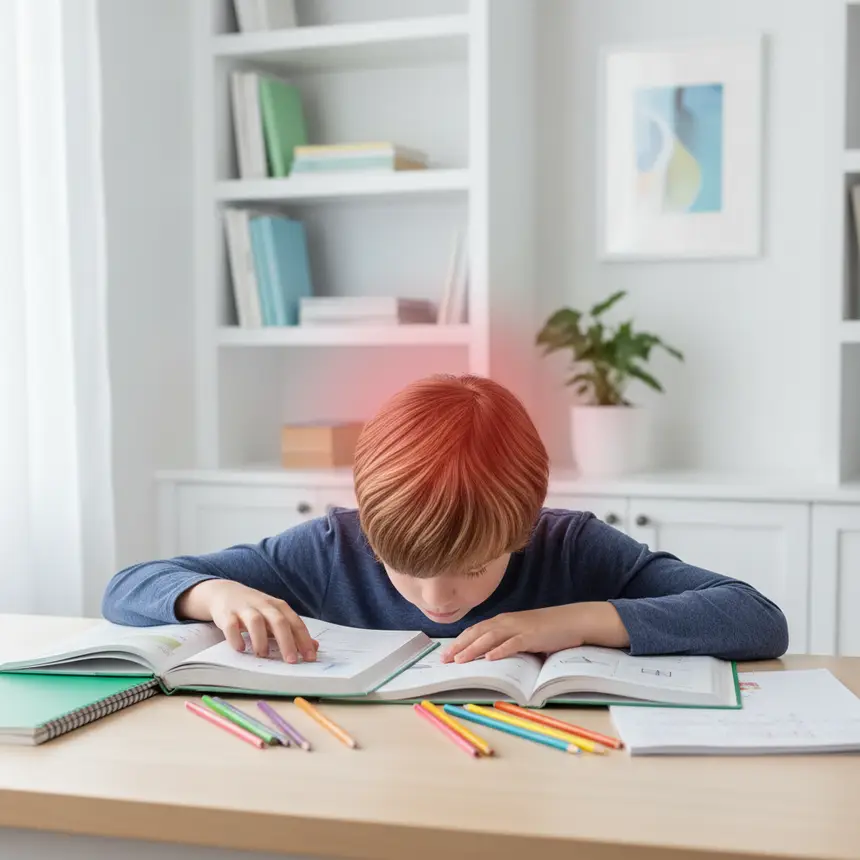
A comprehensive guide for parents dealing with toddler constipation! Discover nutrient-rich foods and effective lifestyle habits to support your child's gut health and ensure comfortable bowel movements.
Is your child struggling with constipation? Learn about the best foods for toddler constipation, along with essential diet management and healthy lifestyle tips for your little one's digestive well-being. Find practical ways to help your child achieve regular bowel movements.

A Happy Tummy, A Happy Child: Starting Your Toddler's Constipation Journey
As parents, seeing our little ones struggle with bowel movements can be truly heartbreaking. The pain and discomfort of hard stools can make them cry, making us feel helpless. But there's good news! By focusing on proper nutrition and establishing healthy routines, you can significantly improve your child's gut health and ensure comfortable, regular bowel movements. A healthy digestive system in early childhood is fundamental for overall growth and development, paving the way for a vibrant and joyful daily life. When your child can pass soft stools regularly, it brings a sense of peace and smiles to the whole family.

Diet for a Healthy Gut: Top Foods and Nutritional Strategies for Toddler Constipation
The key to resolving toddler constipation lies in a balanced intake of fiber, adequate hydration, and a thriving community of beneficial gut bacteria. Let's explore the best foods to include in your child's diet to support healthy digestion.
1. Fiber-Rich Foods: Fruits like apples, pears, prunes, and berries naturally provide both fiber and essential fluids. For vegetables, broccoli, sweet potatoes, and spinach are excellent choices. Whole-grain cereals and whole-wheat bread also contribute valuable fiber. Aim to include at least one to two fiber-rich foods in each of your child's daily meals.
2. Sufficient Hydration: Water is crucial for softening stools and stimulating bowel movements. Encourage your child to drink water consistently throughout the day. Indirect hydration through fruits and vegetables is also beneficial. If plain water isn't a hit, try diluted fruit juice (in small amounts) or mild herbal teas like chamomile.
3. Gut-Friendly Fermented Foods: Foods like yogurt and kefir, which are dairy-based fermented products, or plant-based fermented options such as fermented legumes, can boost beneficial gut bacteria. This aids digestion and promotes regular bowel activity. When introducing new fermented foods, always start with a small amount to observe your child's reaction. Be mindful that certain food groups, like dairy for some children, can exacerbate constipation, so closely monitor their response and adjust their diet if needed.
1. Fiber-Rich Foods: Fruits like apples, pears, prunes, and berries naturally provide both fiber and essential fluids. For vegetables, broccoli, sweet potatoes, and spinach are excellent choices. Whole-grain cereals and whole-wheat bread also contribute valuable fiber. Aim to include at least one to two fiber-rich foods in each of your child's daily meals.
2. Sufficient Hydration: Water is crucial for softening stools and stimulating bowel movements. Encourage your child to drink water consistently throughout the day. Indirect hydration through fruits and vegetables is also beneficial. If plain water isn't a hit, try diluted fruit juice (in small amounts) or mild herbal teas like chamomile.
3. Gut-Friendly Fermented Foods: Foods like yogurt and kefir, which are dairy-based fermented products, or plant-based fermented options such as fermented legumes, can boost beneficial gut bacteria. This aids digestion and promotes regular bowel activity. When introducing new fermented foods, always start with a small amount to observe your child's reaction. Be mindful that certain food groups, like dairy for some children, can exacerbate constipation, so closely monitor their response and adjust their diet if needed.
※ This post contains affiliate links. I may earn a commission at no extra cost to you.


Consistency is Key: Important Habits for Managing Your Toddler's Gut Health
Helping your child achieve comfortable bowel movements goes beyond just diet; it requires consistent effort and establishing healthy habits. Toddler constipation isn't solely a food issue; it's closely linked to their overall lifestyle.
- Establish a Regular Potty Routine: Encourage your child to sit on the toilet at consistent times, such as after meals or waking up. The goal is to create a relaxed and positive environment, rather than forcing them. Simply sitting on the potty at a regular time can send positive signals to their digestive system.
- Promote Physical Activity: Adequate physical activity, like running and walking, stimulates bowel movements and helps prevent constipation. Aim for at least 30 minutes of active play with your child daily. This could be playing at the park or engaging in simple exercises indoors.
- Patience and Encouragement: Constipation often isn't resolved overnight. Encourage and praise your child to prevent stress, helping them build positive associations with potty time. Managing constipation and potty training requires a long-term perspective.
- Consult a Professional: If, despite these efforts, constipation persists, your child experiences severe pain, or develops other symptoms like fever, it's crucial to consult a pediatrician for appropriate advice. Early and proper management of toddler constipation can lead to significant improvements. These methods are generally applicable from infancy through school-age children and can be adjusted based on your child's age and developmental stage.
Frequently Asked Questions
Q. My toddler is constipated; what foods should I avoid?
A. While it varies for each child, generally, highly processed foods, refined grains (white bread, white rice), and excessive dairy products (like cheese or milk) can sometimes worsen constipation. It's best to observe your child's reaction to foods and consult with your pediatrician before severely restricting any food groups.
Q. At what age can I introduce foods that help with toddler constipation?
A. Fiber-rich fruits (pureed), vegetables (mashed), and whole grains can be gradually introduced from the start of solid foods, tailored to your baby's digestive capabilities. Fermented foods like plain yogurt are typically introduced after 6 months. Always introduce new foods one at a time and in small amounts to check for any allergic reactions.
Q. My child doesn't drink much water. How can I help them with constipation?
A. Try using fun, colorful cups, or add slices of fruit (like cucumber or berries) to water for a hint of flavor. Offering water-rich fruits (such as watermelon, oranges, or berries) as snacks is also a great way to boost their fluid intake. Diluted herbal teas can be an alternative to plain water.
Q. Besides specific foods, what else can I do to help my toddler with constipation?
A. Establishing a regular potty time in a comfortable, relaxed environment is very helpful. Ensure your child gets plenty of physical activity daily through play. Most importantly, offer gentle encouragement and patience; avoid pressuring them, as this can make the issue worse. Consistency and a positive approach are key.