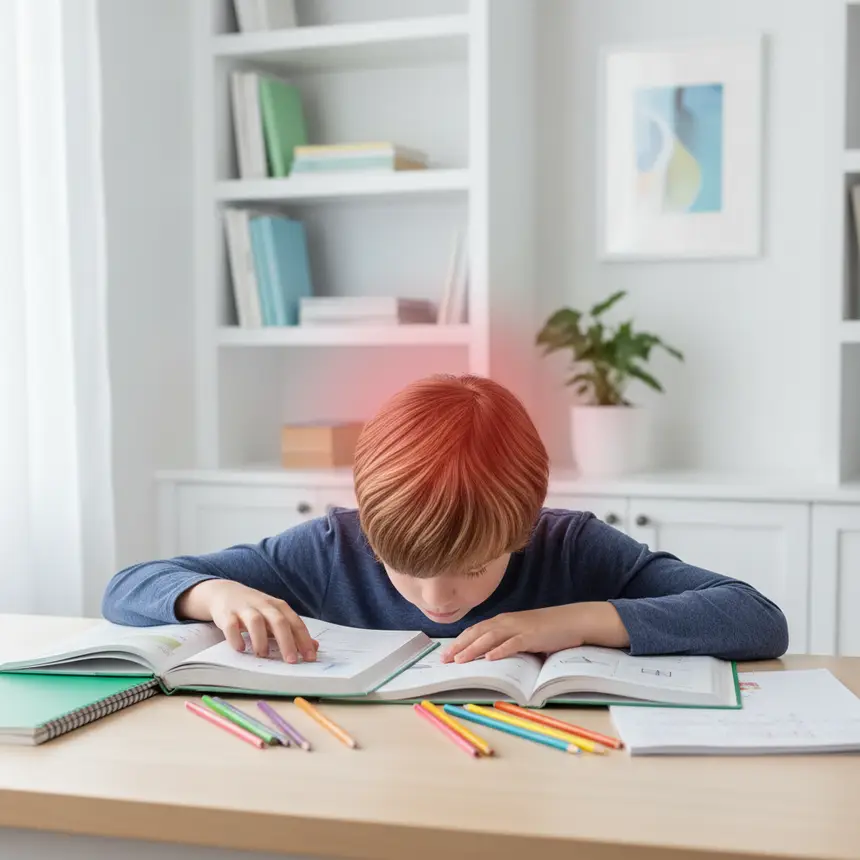
Are you only looking for hyperactivity when assessing your child's focus? Discover how to understand subtle attention traits in early childhood, even in quiet children, and learn practical ways to support their potential at home.

Beyond the Bustle: Unmasking Your Child's Subtle Attention Style
When parents think about their child's focus challenges, it’s often the boisterous, restless behaviors that first come to mind. However, attention difficulties in young children can manifest in a much wider array of ways. Some children appear calm and quiet, leading those around them to believe there are no underlying issues. Yet, beneath this tranquil exterior, they might be struggling with initiating tasks, sustaining engagement for a reasonable period, or completing activities. This 'quiet' presentation of attention challenges is particularly hard for parents and educators to spot because it doesn't involve overt hyperactivity or disruptive actions. If your child frequently loses interest quickly, struggles to follow instructions through to the end, or often shifts from one activity to another without completion, it's crucial to look beyond their visible demeanor and understand their unique attentional patterns. To truly unlock your child's potential, observing not just their outward behavior but also the intricacies of their cognitive processes is key.

Nurturing Healthy Attention Development: Practical Support at Home
To foster your child's attention development, simply telling them to 'focus!' is less effective than providing specific environments and interactions tailored to their cognitive stage. Firstly, creating a predictable environment is paramount. Consistent routines and clear guidelines help children understand what comes next, minimizing unnecessary distractions. For instance, clearly delineating playtime, learning time, and quiet time, and using visual schedules can empower your child to prepare for the next activity independently. Secondly, offer short, clear tasks and celebrate their successes. Considering your child's attention span, start with brief activities, perhaps 5-10 minutes, and offer sincere praise and encouragement upon completion. Select activities that foster a sense of accomplishment, like puzzles, drawing, or building blocks. Thirdly, integrate physical activity and sensory play to help them expend energy and enhance their focus. Ample outdoor time and playground activities positively influence central nervous system development. Engaging with playdough, sand, or exploring objects with various textures can activate brain functions and help regulate attention. This multi-faceted approach is essential for understanding your child's attention characteristics and supporting their healthy growth.
※ This post contains affiliate links. I may earn a commission at no extra cost to you.


The Power of Patient Observation and Consistent Support
Attention characteristics in early childhood are intricately linked to a child's neurological development and are not issues that resolve perfectly in a short period. Your consistent engagement and support as a parent are incredibly valuable. If your child consistently struggles with attention, it’s important to avoid labeling them as simply 'distracted' or 'lacking willpower.' Instead, try to understand these challenges as a natural part of their cognitive developmental stage. Close observation is particularly important if your child starts tasks relatively well but consistently gets sidetracked or struggles to finish them. If they tend to quickly lose interest in activities or frequently miss parts of multi-step instructions, considering professional guidance might be beneficial. During this period, respecting each child's unique traits and developmental pace is key. Through consistent support and positive interactions, you can help your child develop the ability to self-regulate their attention and engage in learning. Ongoing observation and communication with professionals will lay a strong foundation for your child's healthy development.
Frequently Asked Questions
Q. Can a quiet child still have trouble with focus?
A. Absolutely, yes. A child's attention challenges don't always manifest as hyperactivity. Even if a child appears calm and quiet, they might struggle with sustained engagement in activities or following instructions. This is often termed a 'quiet' presentation of inattention. Observe if your child finds it harder to maintain focus and complete tasks rather than just starting them.
Q. How can I help my child increase their attention span?
A. Start with short, engaging activities appropriate for their developmental level. Use a timer during playtime to encourage focus for a set period, and offer praise when they succeed. Consistent routines, adequate sleep, a balanced diet, and plenty of physical activity also significantly contribute to overall attention development.
Q. When should I consider seeking professional advice for my child's attention issues?
A. If your child's attention difficulties consistently impact their daily life or learning activities, and if these struggles are recurrently observed at home and in preschool/daycare, it's advisable to consult with a professional. Expert consultation can help you accurately understand your child's developmental stage and explore appropriate support strategies.
Q. What types of play help improve focus in young children?
A. Activities like puzzles, building blocks, drawing, playdough, and board games are effective for enhancing a child's concentration and problem-solving skills. 'Find the hidden object' or 'spot the difference' games can boost visual attention, while role-playing and storytelling not only develop language and imagination but also require sustained focus.