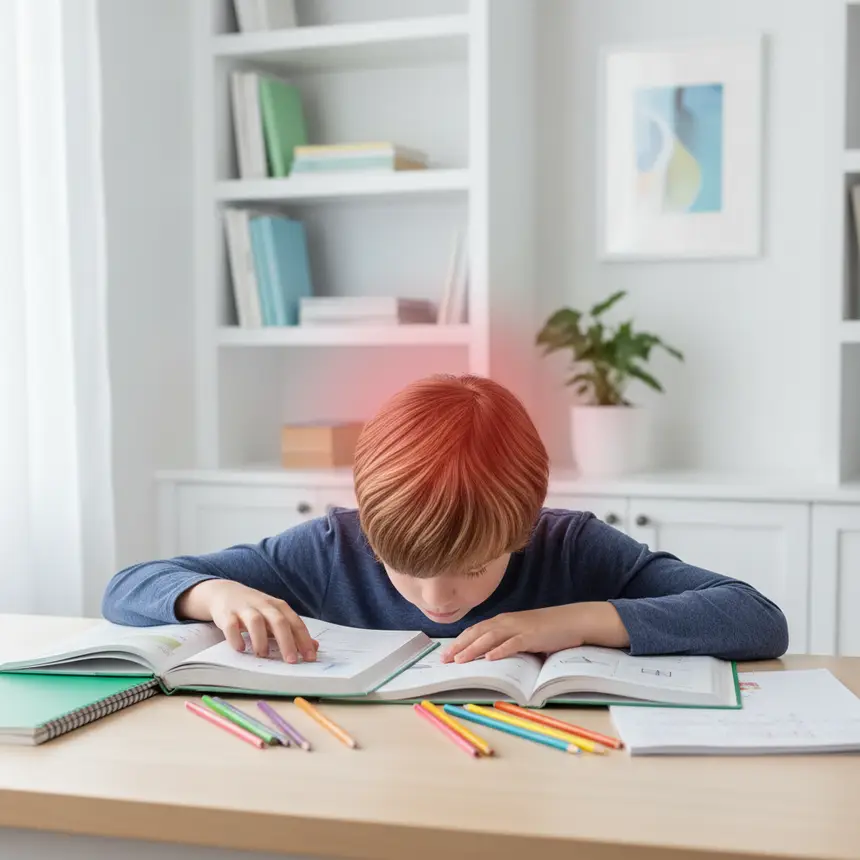
Early childhood is a period of rapid development. Learn how to understand and support your child's growth through key indicators in language, social, and cognitive development. Discover the parent's crucial role and practical tips for home.

Is My Child Developing Typically? Common Parental Worries About Early Childhood Growth
Every parent, at some point, has likely wondered, 'Is my child on track, or are they a bit behind their peers?' or 'Is this behavior just a normal phase of development?' These thoughts are particularly common during the early childhood years, a period of astonishingly rapid growth in language, social skills, cognitive abilities, and sensory integration. Even the smallest changes in a child can feel significant and stir a parent's heart, sometimes leading to anxiety when comparing their child to others.
However, it’s crucial to remember that every child has their own unique developmental rhythm. Some children might walk early, while others might start talking sooner. The key is to acknowledge this individuality while also paying close attention to any consistent behaviors or reactions that might signal something needs a closer look. Developing a habit of observing and jotting down your child’s everyday gestures, expressions, and communication styles is the first step toward understanding their developmental journey. This practice can alleviate unnecessary worries and help you identify the specific support your child might need.
However, it’s crucial to remember that every child has their own unique developmental rhythm. Some children might walk early, while others might start talking sooner. The key is to acknowledge this individuality while also paying close attention to any consistent behaviors or reactions that might signal something needs a closer look. Developing a habit of observing and jotting down your child’s everyday gestures, expressions, and communication styles is the first step toward understanding their developmental journey. This practice can alleviate unnecessary worries and help you identify the specific support your child might need.

Navigating Developmental Milestones: What to Observe in Each Stage
A child's development is like a complex tapestry, with many threads weaving together. Each thread grows independently but also influences the others. A child's developmental interests and capabilities shift significantly with age, making age-appropriate observation vital. For instance, between the ages of 2 and 3, the focus is often on basic interactions, responses to sensory stimuli, and the development of gross motor skills. From ages 4 to 5, observations broaden to include more complex language expression, depth of social engagement, problem-solving abilities, and sustained attention during play.
To better understand your child's development, you can observe them across four key domains:
To better understand your child's development, you can observe them across four key domains:
- Communication and Language Skills: Pay close attention to how your child understands context beyond simple words, expresses their thoughts, and engages in conversations with others. Reading picture books together and discussing characters' feelings or engaging in question-and-answer games can greatly boost language development.
- Cognitive and Exploratory Abilities: Observe how your child approaches new toys or situations, how they solve problems, or how long they can focus on a particular activity. Activities like building blocks, puzzles, or hide-and-seek can stimulate their cognitive skills and curiosity.
- Social-Emotional Development and Relationship Building: It's important to note how they interact with peers and adults, how they express their emotions, and their capacity for empathy towards others. Role-playing and group activities positively influence social development.
- Sensory and Movement Characteristics: Observe if your child shows overly sensitive or under-responsive reactions to various sensory stimuli (sounds, touch, sight) and how well they control and move their body. Exploring toys with different textures, sand play, and physical activities contribute to sensory integration and motor skill development.
※ This post contains affiliate links. I may earn a commission at no extra cost to you.


Supporting Your Child's Unique Developmental Journey: Focus on Strengths and Environment
The process of understanding your child's development isn't about labeling them as 'good' or 'bad.' Instead, it's a meaningful journey to deeply comprehend how your child explores, learns, and grows in their own unique way. What truly matters is accepting your child as they are, identifying their inherent strengths, understanding what environments make them feel most comfortable and engaged, and figuring out what additional support or help they might need in their daily life.
Child development is rarely linear; everyone grows at their own pace and in their own style. Some children excel in language early, others have outstanding physical abilities, and for some, social skills bloom first. Therefore, it's more beneficial to focus on 'your child's' growth trajectory rather than simply comparing them to other children.
Ultimately, interest in child development isn't an attempt to fit a child into a specific mold. It's about providing the most suitable environment and support to help them unleash their full potential. It's crucial to listen to the subtle cues your child sends through their small reactions and expressions. Offer a variety of play environments that align with their interests, giving them ample opportunities to explore and express themselves. If needed, collaborating with a professional to plan and support your child's developmental journey can be a wise approach.
Child development is rarely linear; everyone grows at their own pace and in their own style. Some children excel in language early, others have outstanding physical abilities, and for some, social skills bloom first. Therefore, it's more beneficial to focus on 'your child's' growth trajectory rather than simply comparing them to other children.
Ultimately, interest in child development isn't an attempt to fit a child into a specific mold. It's about providing the most suitable environment and support to help them unleash their full potential. It's crucial to listen to the subtle cues your child sends through their small reactions and expressions. Offer a variety of play environments that align with their interests, giving them ample opportunities to explore and express themselves. If needed, collaborating with a professional to plan and support your child's developmental journey can be a wise approach.
Frequently Asked Questions
Q. I'm worried my child isn't developing as quickly as their peers. What should I do?
A. First, remember that there's a wide range of normal development, and every child progresses at their own pace. Try observing and noting down any repeated behaviors or reactions your child exhibits in specific areas. If you have persistent concerns, it's a good idea to consult with a pediatrician or a child development specialist. They can provide an objective opinion on your child's current state and discuss potential support strategies.
Q. What activities can I do at home to support my child's language development?
A. There are many simple activities you can do at home to foster language development. Talk to your child frequently while making eye contact, and describe objects or situations that pique their interest. Read picture books together often, ask questions based on the story, and listen to their responses. Singing songs and engaging in simple role-playing games can also significantly boost their expressive language skills.
Q. Is it really necessary to consult with a specialist if I have concerns about my child's development?
A. Not every child requires a specialist consultation. However, if your worries are significant, or if you notice your child consistently struggling in a particular developmental area, professional guidance can be invaluable. A specialist can comprehensively assess your child's development and offer tailored advice on how to support their growth and create a nurturing environment. This can be a wise choice to help your child reach their full potential.