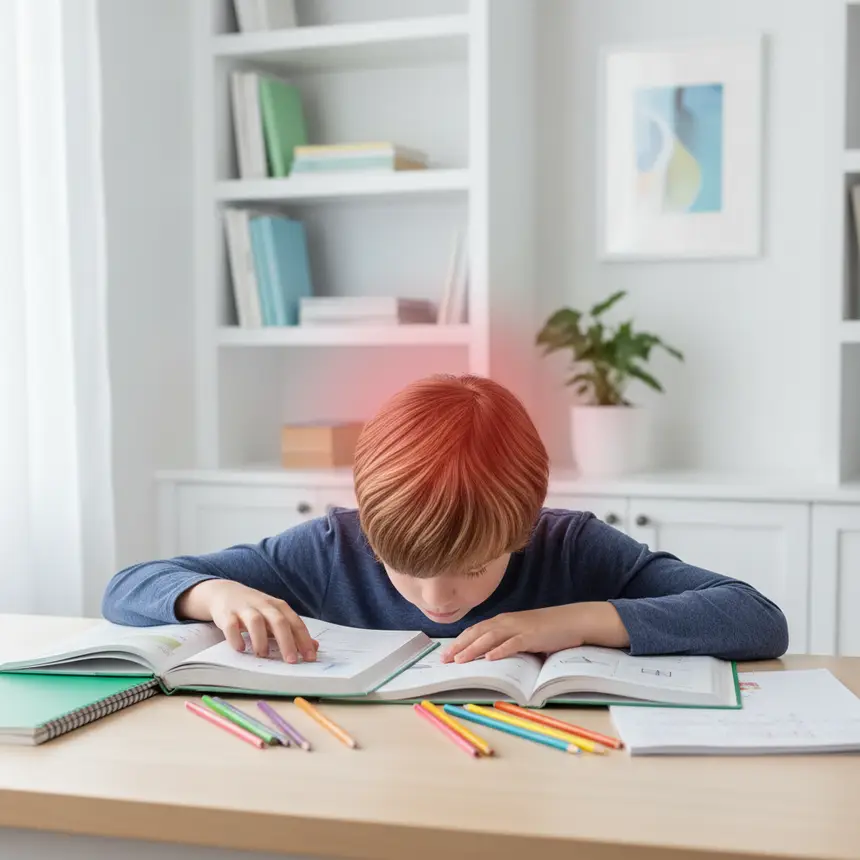
Is your child often tired, lacking focus, or showing slow growth? Iron deficiency might be the cause. Discover essential strategies to ensure your child gets the iron they need for a vibrant, healthy development.

Is Your Child's Low Energy a Sign of a Nutritional Need?
As parents, it's natural to feel concerned when our usually energetic child seems unusually tired, loses interest quickly, or struggles to focus. When playtime becomes a chore or learning spark fades, we often wonder if there's an underlying issue. This worry can be especially strong if our child is a picky eater or has an unpredictable diet. Behind these signs, there might be an imbalance in essential nutrients, specifically a deficiency in iron for young children. To help your child regain their vibrant energy and support their healthy development, let's explore this crucial nutrient together, starting today.

The Critical Role of Iron in Childhood Development
Iron is a vital mineral that plays a central role in a child's growth and development. As a key component of hemoglobin, which transports oxygen throughout the body, an iron shortage can disrupt oxygen delivery, leading to various issues. Common symptoms include chronic fatigue, poor concentration, pale skin, and weakened immunity. During the rapid growth spurts of early childhood, iron requirements increase significantly. However, picky eating, insufficient nutrient intake, or rapid growth can often lead to a supply-demand imbalance. If this iron deficiency persists, it can negatively impact not only a child's physical development but also their cognitive abilities and learning efficiency. Careful observation and timely intervention from parents are essential.
※ This post contains affiliate links. I may earn a commission at no extra cost to you.


Holistic Approaches: Diet, Activity, and Sleep for Energetic Kids
The most fundamental and important way to increase a child's iron intake is through a well-balanced diet. It's crucial to offer a variety of iron-rich foods. Red meats like beef and chicken, liver, and egg yolks are excellent sources of heme iron, which is highly absorbable. Non-heme iron sources include spinach, beans, nuts, and fortified cereals. To enhance iron absorption, it's beneficial to pair these with foods rich in Vitamin C, such as oranges, strawberries, or broccoli. Beyond diet, ensuring adequate sleep and regular physical activity are essential for a child's overall health and energy levels. Outdoor play, which provides sunlight exposure, helps synthesize Vitamin D, aiding in calcium absorption and boosting immunity.

Practical Steps: Integrating Iron-Rich Habits into Daily Life
Here are concrete ways to effectively boost your child's iron intake:
- 1. Creatively add iron-rich foods to their diet: Prepare iron-packed foods in ways your child will enjoy. For instance, make meatballs with ground beef, or finely chop spinach into smoothies or scrambled eggs.
- 2. Encourage co-consumption of iron and Vitamin C: Serve orange juice, strawberries, or kiwi alongside meals to boost iron absorption.
- 3. Consider nutritional supplements when needed, but consult a professional: If you suspect diet alone isn't providing enough iron, consult with a pediatrician to choose an appropriate iron supplement for your child. Opt for formulations (liquid, gummies) that are low in sugar and unnecessary additives, and that your child will readily accept.
- 4. Maintain a regular lifestyle: Sufficient sleep and at least 30 minutes of daily outdoor activity in sunlight significantly contribute to a child's physical rhythm and immune system boost.

Nurturing Growth: Your Active Role in Your Child's Well-being
It's completely normal for parents to worry about their child's energy and growth. When your child seems listless or has difficulty concentrating, it's very wise to consider if an iron deficiency might be a factor. Providing sufficient essential nutrients through a balanced diet and fostering healthy growth through regular lifestyle habits are paramount. If symptoms of fatigue or lack of vitality persist, it's always best to consult a healthcare professional to identify the exact cause and receive appropriate guidance. Your continuous interest and effort as a parent will be the most valuable nourishment for your child's bright and vibrant future.
Frequently Asked Questions
Q. What are the common signs of iron deficiency in young children?
A. If your child seems unusually tired, listless, has pale skin, and struggles with concentration, iron deficiency might be suspected. They might also experience shortness of breath with mild exertion or have a poor appetite.
Q. What foods are best to increase my child's iron intake?
A. Heme iron sources like red meats (beef, chicken), fish, liver, and egg yolks are excellent. Non-heme iron sources include spinach, beans, nuts, raisins, and fortified cereals. Pairing these with Vitamin C-rich fruits (oranges, strawberries) can enhance absorption.
Q. Is it safe to give my child iron supplements?
A. Iron supplements should only be given after consulting a pediatrician, who can determine the appropriate dosage based on your child's specific needs. Over-supplementation can lead to adverse effects, so always follow professional guidance. Opt for products with minimal sugar and unnecessary additives.
Q. How can I improve my child's iron absorption?
A. The most effective way to boost iron absorption is to consume it with Vitamin C. For example, serve orange juice with meals that contain iron-rich foods, or offer Vitamin C-rich fruits as dessert. It's also advisable to avoid serving tea or coffee, which contain tannins, during or immediately after meals.
Q. How can I tell if my child's fatigue is due to low iron?
A. If you're concerned about your child's persistent fatigue or listlessness, the most accurate way to determine if it's due to iron deficiency is to visit a pediatrician for a blood test to check their iron levels. A doctor can evaluate your child's overall health and recommend appropriate steps.