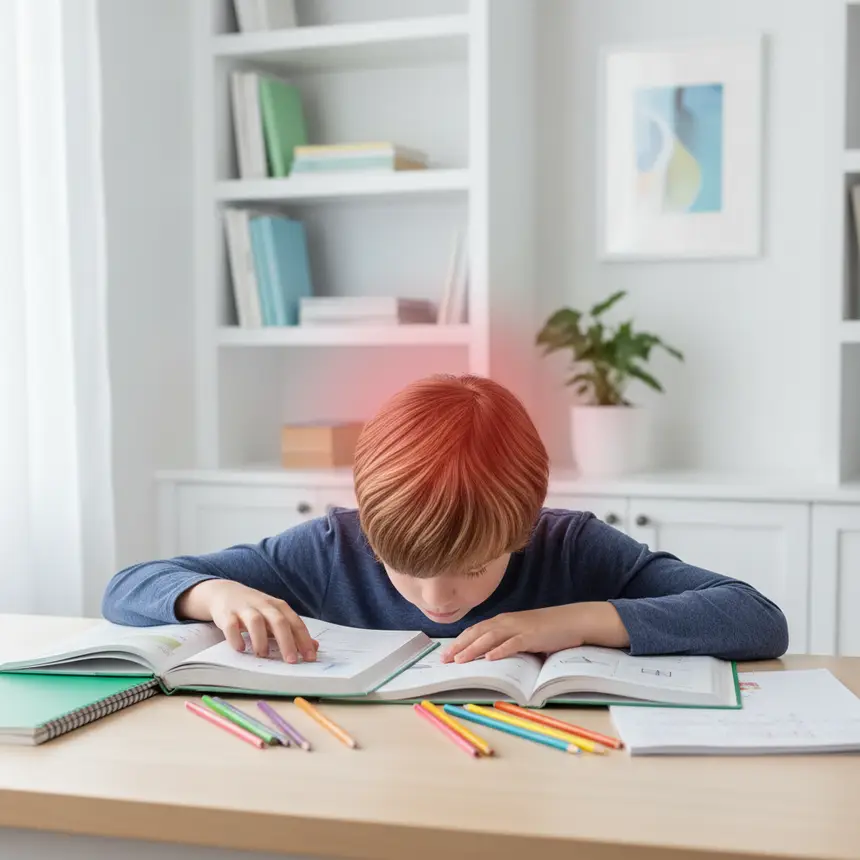
Understand the developmental stages of 5 and 7-year-olds and explore age-appropriate parenting approaches. Discover daily activities and parental support methods to foster creativity, social skills, and language development.

H2. Navigating the Wonderful Growth Journey of Your 5 and 7-Year-Olds
Parenting is a daily adventure, filled with unexpected joys and constant learning. When you have children at different developmental stages, like a 5-year-old and a 7-year-old, this journey becomes even richer. A 5-year-old’s eyes sparkle with boundless curiosity, eager to explore every corner of their world, while a 7-year-old begins to build their unique identity and navigate complex social landscapes. Each age brings its own set of fascinating milestones and unique needs, making it crucial for parents to understand these distinct phases. Recognizing the specific characteristics of their language, physical activity, cognitive abilities, and social skills at these ages is the first step towards unlocking their full potential. Let's delve into how we can best support our children during these vibrant years of development.

H2. Decoding Age-Specific Growth: The Burst of 5 and the Finesse of 7
Five-year-olds are often characterized by an explosion in language skills; they talk, question, and express themselves with remarkable freedom. It's like a dam has burst, unleashing a torrent of stories and an endless stream of 'why' questions, reflecting their intense desire to understand the world. Imagination peaks at this age, blurring the lines between reality and fantasy in their play. They start learning social cues through interactions with peers and siblings, and while their actions might sometimes seem impulsive, it’s all part of exploring their identity and environment. Seven-year-olds, on the other hand, showcase more refined development. Their creative ideas begin to translate into concrete projects, and they grasp rules and roles within group settings more deeply. This is a time when attitudes towards learning solidify, and their ability to focus on areas of interest improves. They face new challenges like adapting to school, enhancing academic skills, and understanding the nuances of friendships. Parental guidance and thoughtful support during this phase significantly influence their healthy development. Understanding these distinct age-specific growth patterns is fundamental to providing the right kind of support for your child.
※ This post contains affiliate links. I may earn a commission at no extra cost to you.


H2. A Holistic Approach to Nurturing Healthy Child Development
For children to truly flourish, a balanced approach encompassing nutrition, physical activity, and appropriate educational stimuli is essential. First, in terms of nutrition, it’s vital to provide a diet rich in proteins, vitamins, and minerals that are crucial for growing bodies. Encourage a variety of seasonal fruits, colorful vegetables, lean meats, and whole grains. Making mealtime a pleasant family affair also plays a big role. For snacks, lean towards fresh fruit or nuts instead of processed foods.
Next, physical activity is not just for burning off energy; it's fundamental for developing gross and fine motor skills and boosting immunity. For 5-year-olds, unstructured play like ball games, running, and dancing is perfect. Seven-year-olds can benefit from more organized activities like bike riding, jumping rope, or simple sports with rules. Providing ample opportunities for outdoor play and exploration in nature is also key.
Finally, educational stimulation supports both cognitive and emotional development. For 5-year-olds, reading picture books to build vocabulary, engaging in imaginative role-play, and simple art activities are beneficial. For 7-year-olds, encourage writing or drawing to express their thoughts, introduce engaging science experiments, or play board games that foster logical thinking, thereby cultivating a positive attitude toward learning. Everything a child experiences at this age is a learning opportunity, so providing diverse experiences and patiently answering their questions is incredibly important.
Next, physical activity is not just for burning off energy; it's fundamental for developing gross and fine motor skills and boosting immunity. For 5-year-olds, unstructured play like ball games, running, and dancing is perfect. Seven-year-olds can benefit from more organized activities like bike riding, jumping rope, or simple sports with rules. Providing ample opportunities for outdoor play and exploration in nature is also key.
Finally, educational stimulation supports both cognitive and emotional development. For 5-year-olds, reading picture books to build vocabulary, engaging in imaginative role-play, and simple art activities are beneficial. For 7-year-olds, encourage writing or drawing to express their thoughts, introduce engaging science experiments, or play board games that foster logical thinking, thereby cultivating a positive attitude toward learning. Everything a child experiences at this age is a learning opportunity, so providing diverse experiences and patiently answering their questions is incredibly important.

H2. Practical Steps for Fostering Growth in Your Child's Daily Life
You might think nurturing your child's healthy growth requires extraordinary effort, but often, it’s the small, consistent daily practices that make the biggest difference. First, establishing consistent routines is paramount. Regular sleep and wake times, along with fixed meal schedules, greatly contribute to your child's physical rhythm and emotional stability. Second, respect and expand on your child's interests. If your child loves drawing, provide a variety of materials. If they enjoy making up stories, join them in imaginative play. Supporting their curiosity is one of the most powerful ways to foster intrinsic motivation. Third, prioritize quality family time. On weekends, seek new experiences like park outings or museum visits, and at home, enjoy cooking together or playing simple board games to strengthen family bonds. Fourth, create a positive communication environment. Listen actively and show empathy, allowing your child to express their thoughts and feelings freely. Instead of asking 'What did you do today?', try open-ended questions like 'What was the most fun part of your day?' These daily practices, when flexibly adapted to your child's age-specific developmental stage, will help them grow up healthy and happy.

H2. Growing Together: The Wisdom of Parenthood
Raising children is an unpredictable adventure, every single day. Facing the boundless energy of a 5-year-old and the deepening thoughts of a 7-year-old, parents often feel a mix of surprise and pride, growing right alongside their children. It's crucial to acknowledge each child's individual pace, offering encouragement and support instead of comparisons. Rather than striving for perfection, being a genuine companion who sees the world through their eyes, laughs with them, and comforts them, is far more valuable. We hope the insights shared in this article serve as a small compass on your parenting journey. Cherish these precious moments as you walk hand-in-hand with your child. They will blossom most brilliantly amidst your love and attention. Why not take a moment right now to look your child in the eye and ask them about 'the best moment of their day'?
Frequently Asked Questions
Q. My 5-year-old is obsessed with one specific type of play. Should I encourage other activities?
A. It's a positive sign if your 5-year-old is deeply engaged in one type of play, showing strong interest and concentration. While respecting this, it's beneficial to gently expose them to other areas (e.g., physical activities, language games, art) to broaden their experiences. Rather than forcing it, offer diverse opportunities and let them choose what to explore.
Q. How can parents help a 7-year-old who is struggling with friendships?
A. Friendships are very important to 7-year-olds. First, listen attentively to your child's story to understand the specific difficulties they're facing. Instead of solving the problem for them, advise them on how to resolve issues themselves and teach them how to express their feelings appropriately. Practicing scenarios through role-play can also be helpful.
Q. What activities can we do at home to foster our child's creativity?
A. To develop creativity, activities without a single 'right' answer are best. Drawing, free-form block building, play-dough, crafting with recycled materials, and imaginative role-play are excellent examples. Instead of evaluating their creations, praise the process itself, and provide various materials to give them opportunities to explore and express themselves independently.