Explore ways to understand and support individual developmental differences in toddlers around 32 months. Learn how to navigate key milestones like growth and potty training with wisdom. Embrace personalized parenting for your child's unique pace.

H2. Celebrating Uniqueness: Every Child's Own Path to Growth
Every child embarks on a unique developmental journey, and toddlers around 32 months old are no exception. They exhibit remarkable shifts in physical, cognitive, and social-emotional skills, yet the pace and expression of these changes vary widely. For instance, one child might thrive on active outdoor play, eagerly embracing physical challenges like exploring a winter wonderland. Another child, even a sibling, might prefer calmer, focused activities indoors or need more time to adjust to new environments. These individual differences, while sometimes a source of parental concern, are perfectly normal. Recognizing and respecting each child's temperament, preferences, and developmental timeline is the cornerstone of effective and harmonious parenting.
H2. Common Parental Worries: From Growth Spurts to Potty Training Hurdles
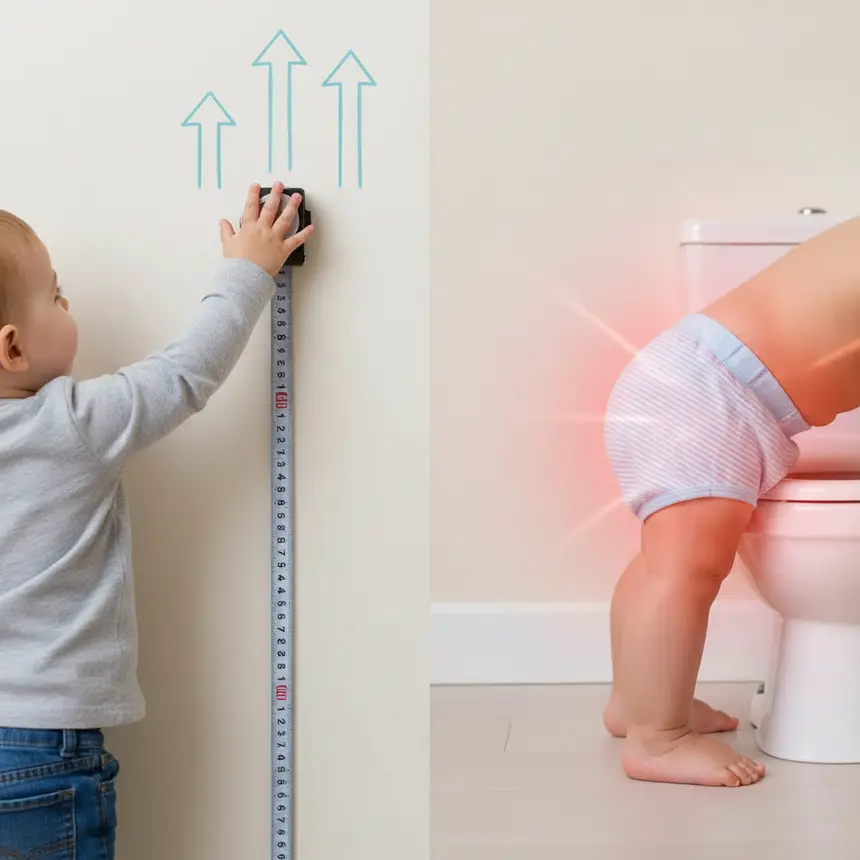
Parents often find themselves pondering various developmental benchmarks during their child's early years. Around 32 months, height and weight can differ significantly among children, influenced by genetics, nutrition, and activity levels. Some toddlers might experience rapid growth, while others show a slower, steady increase. Eating habits also present a wide spectrum: some children are enthusiastic eaters, embracing a variety of foods, while others might be picky or have smaller appetites, causing concern about their nutritional intake. Potty training is another major milestone with variable timelines. Some children might show readiness and master it quickly, even before two years old, while others, well past their second birthday, may still struggle with consistency. Additionally, children prone to frequent colds or sensitive to environmental changes might face interruptions in their physical activities, potentially impacting their overall development. These individual disparities are natural, yet they can often lead to parental anxiety.
※ This post contains affiliate links. I may earn a commission at no extra cost to you.


H2. Tailored Support: A Balanced Approach to Nutrition, Activity, and Learning
Addressing individual developmental differences requires a holistic approach combining optimal nutrition, appropriate physical activity, and responsive educational strategies. Providing a nutrient-rich diet is fundamental for growth and overall well-being. A variety of colorful fruits, vegetables, and protein sources are crucial for a child's physical growth and maintaining good health. Parents should encourage balanced meals rich in vitamins and minerals essential for development. Physical activity is equally vital; outdoor play on pleasant days helps children naturally engage their muscles, improve balance, and expend energy. Activities like tossing a ball, riding a tricycle, or simply running around in a safe area contribute positively to gross motor skill development. For potty training, timing is key. It's best to wait until the child shows signs of readiness, such as communicating their need to go, and then encourage them with positive reinforcement and praise. Establishing consistent routines and predictable daily structures also fosters emotional security and autonomy.
H2. Practical Steps for Daily Life: Nurturing Growth with Patience and Flexibility
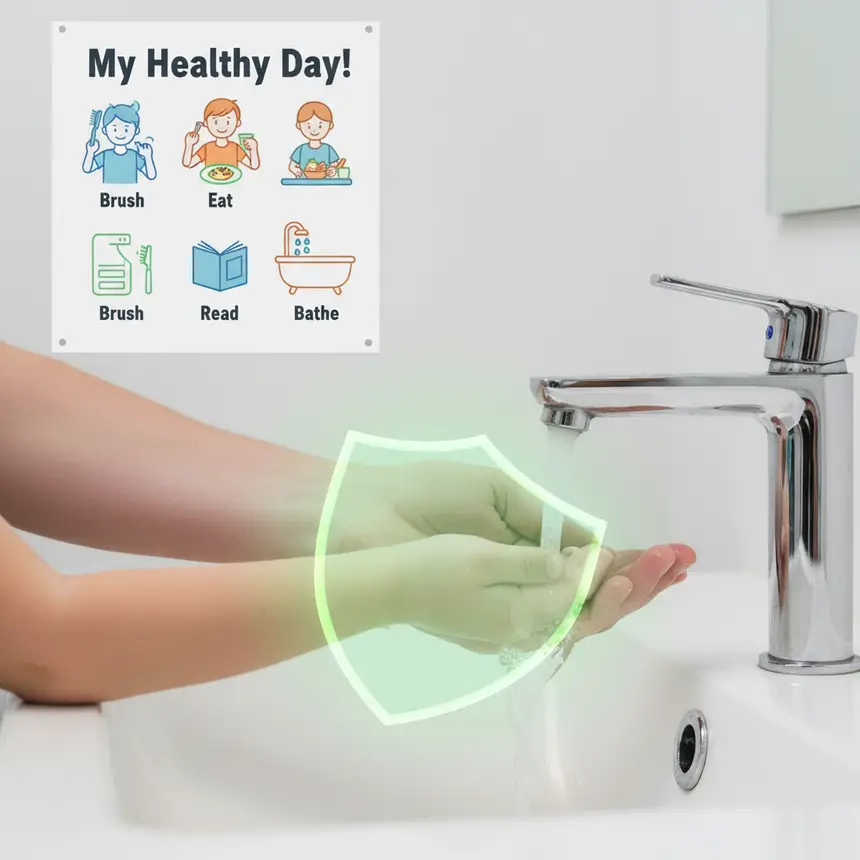
Supporting a child's development effectively begins with a parent's patience and flexible attitude. Firstly, focus on your child's individual progress rather than comparing them to peers. For children who are picky eaters, try experimenting with different recipes or making mealtime a fun experience, using small praises and positive language to encourage their efforts. Secondly, tailor physical activities to your child's interests. Offer ample opportunities for active children to run and play, while for quieter children, suggest indoor physical games like stretching or hide-and-seek. Thirdly, during potty training, embrace accidents with understanding and avoid scolding. Generous praise and small rewards for successful attempts can be powerful motivators. Fourthly, prioritize your child's health by teaching good hygiene, ensuring a balanced diet, and sufficient rest to boost immunity and reduce disruptions from frequent illnesses. Paying close attention to your child's small changes and adapting your support accordingly is crucial for their thriving.

H2. Beyond the Challenges: Cheering on Their Bright Future
Parenting is a journey filled with daily challenges and immense joys. When faced with your children's varying developmental paces, it's natural to feel some apprehension or a sense of urgency. However, it's essential to remember that every child blossoms in their own unique way, and your support and love are their greatest strengths. Whether your child reaches milestones a little later or expresses themselves differently from others, valuing their individual speed and personality is paramount. Offer heartfelt praise for their small achievements, and provide warm encouragement when they encounter difficulties, empowering them to try again. May your daily parenting journey be filled with laughter, learning, and precious moments of growth alongside your children. They will thrive most healthily and happily in the embrace of your belief. Let's wholeheartedly cheer on our children as they embark on their luminous future.
Frequently Asked Questions
Q. My child seems shorter or slower in development compared to their peers. Is this normal?
A. Child growth and development rates are incredibly diverse. Instead of comparing to peers, focus on your child's individual progress over time. If you have significant concerns, consulting a pediatrician for personalized advice and potential support strategies is always a good idea.
Q. My twins have very different developmental timelines. Is this common?
A. Yes, even twins are distinct individuals, so significant differences in developmental pace, temperament, and preferences are entirely normal. Acknowledging these variations and tailoring support to each child's needs is more beneficial for their healthy development.
Q. My 32-month-old is still struggling with potty training. What should I do?
A. Potty training is most effective when a child is physically and cognitively ready. Avoid rushing and wait for your child to show signs of interest or communicate their need to go. Positive reinforcement and a consistent environment are crucial; be encouraging and avoid scolding for accidents.
Q. My child is a picky eater. How can I ensure they get balanced nutrition?
A. Picky eating is a common phase for many toddlers. Try experimenting with different cooking methods or offering new foods in small amounts alongside their favorites. Make mealtime an enjoyable experience. If you're concerned about nutritional gaps, seeking advice from a pediatric nutritionist can be very helpful.
Q. How can I assess and best support my child's developmental stage?
A. You can observe your child's behaviors, play patterns, and communication in daily life to gauge their developmental stage. Provide ample opportunities for them to engage in activities they enjoy and explore new experiences to expand their learning. Regular well-child check-ups also offer objective assessments of their development.