Concerned about your child's development? Understand early signs and characteristics of autism spectrum disorder in young children. Learn key points for observation at home and the importance of early identification and appropriate support.

Does My Child Have Unique Developmental Patterns?
As parents, we naturally pay close attention to every milestone and nuance of our child's growth. It's common to wonder if something is 'different' when we observe certain behaviors, such as less frequent eye contact compared to peers, a delayed response when called by name, or repetitive actions. These concerns are a natural part of parenthood and represent an important first step in understanding your child's developmental journey. This article aims to guide parents through key observation points related to early developmental differences, particularly in the context of early autism spectrum signs. Our goal is to empower you to support your child's growth and seek appropriate assistance if needed, fostering a deeper understanding of their unique developmental path.
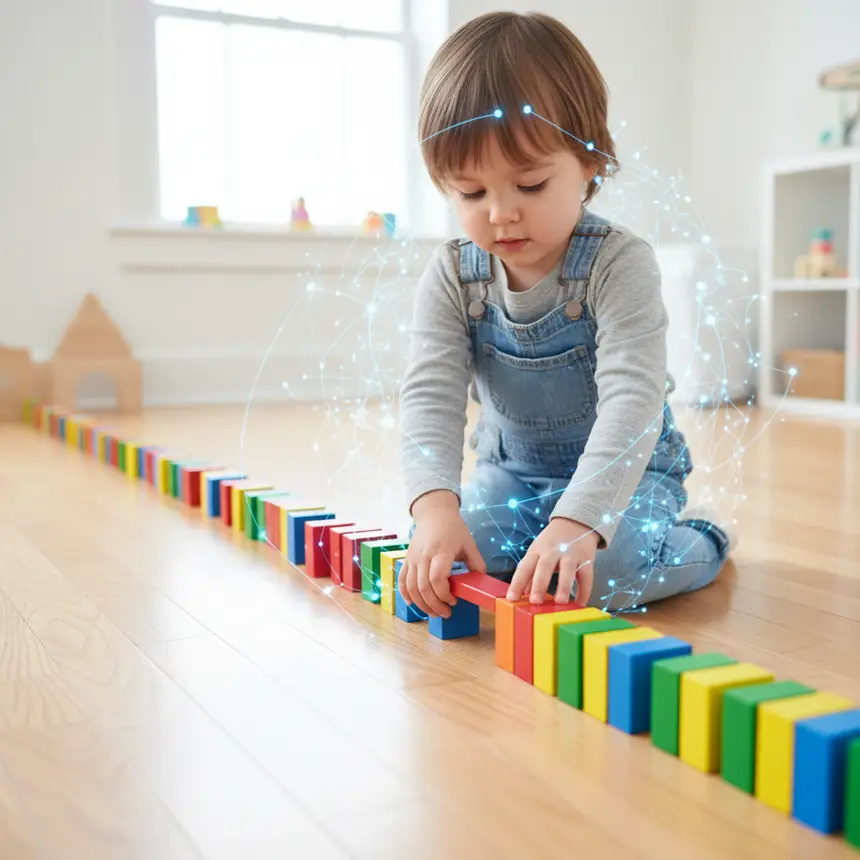
Key Observational Areas in Child Development and Their Complex Backgrounds
Autism Spectrum Disorder (ASD) refers to developmental differences characterized by unique patterns in social interaction and communication, alongside restricted and repetitive interests or behaviors. These developmental features often begin to emerge before the age of three. Here are key areas parents can closely monitor to better understand their child's development:
The underlying reasons for these developmental differences are complex and cannot be attributed to a single cause. It's understood that a combination of genetic predispositions, various prenatal and perinatal factors, and subtle variations in brain development all play a role. The crucial point is that these characteristics are part of your child's individual developmental trajectory.
- Unique Social Interaction Styles
- Distinct Communication Methods
- Repetitive Interests and Behavior Patterns
The underlying reasons for these developmental differences are complex and cannot be attributed to a single cause. It's understood that a combination of genetic predispositions, various prenatal and perinatal factors, and subtle variations in brain development all play a role. The crucial point is that these characteristics are part of your child's individual developmental trajectory.
※ This post contains affiliate links. I may earn a commission at no extra cost to you.


Smart Support for Your Child's Growth: Observation and Professional Partnership
If you consistently observe the signs mentioned above in your child's development, your thoughtful observation and proactive approach are vital. Here are some practical tips for parents to keep in mind:
Above all, remember that your child needs your love and support more than your anxiety. Understanding and respecting your child's unique developmental characteristics, and seeking professional help when necessary to ensure their healthy growth, is one of the most significant roles you play as a parent.
- The Importance of Meticulous Observation and Documentation
- A Journey of Growth Alongside Professionals
Above all, remember that your child needs your love and support more than your anxiety. Understanding and respecting your child's unique developmental characteristics, and seeking professional help when necessary to ensure their healthy growth, is one of the most significant roles you play as a parent.
Frequently Asked Questions
Q. My child is speaking later than peers; could this be a sign of autism spectrum disorder?
A. While language development varies greatly among children, if your child is significantly delayed in speaking or has very limited babbling, it's a good idea to consult a professional. Language delay alone doesn't confirm ASD, but it is an important observation point.
Q. Is limited eye contact an early sign?
A. Yes, avoiding eye contact or inconsistent eye contact can be one of the early indicators of challenges in social interaction. However, this, like other developmental characteristics, should be considered in conjunction with other observations.
Q. What causes autism spectrum disorder? Is it related to parenting style?
A. The cause of autism spectrum disorder is not a single factor; it's believed to involve a complex interplay of genetic factors, prenatal and perinatal influences, and unique brain development patterns. Parenting style does not cause autism spectrum disorder.
Q. Is it common for children to be fixated on certain objects or repeat actions?
A. Children can certainly show attachment to specific objects or engage in repetitive actions. However, if this behavior is excessive, if their interest in other play is significantly diminished, or if it interferes with daily life, it's advisable to seek advice from a professional.
Q. Which specialists should I consult?
A. If you have concerns about your child's development, it's best to start by consulting your pediatrician. If needed, they can refer you to developmental specialists such as child psychiatrists, developmental pediatricians, or pediatric neurologists.