Discover practical strategies for managing infant constipation and promoting healthy gut function. This guide offers nutritional insights and lifestyle tips to alleviate digestive discomfort and support your baby's well-being.

H2. The Silent Struggle: When Your Baby's Bowel Movements Become a Concern
Watching your little one grow and adapt to the world is an unparalleled joy for any parent. Yet, the journey of nurturing a healthy baby often comes with its own set of anxieties. Among these, concerns about a baby's bowel movements frequently top the list. When your infant strains, their face reddens, or they go days without a bowel movement, parents naturally become worried. You might find yourself meticulously checking every diaper, counting bowel movements, and observing every subtle cue your baby gives. This isn't just about poop; it's deeply connected to your baby's overall well-being, making it a significant source of stress for caregivers.
H2. The Unseen Foundation: Why Infant Gut Health Matters So Much
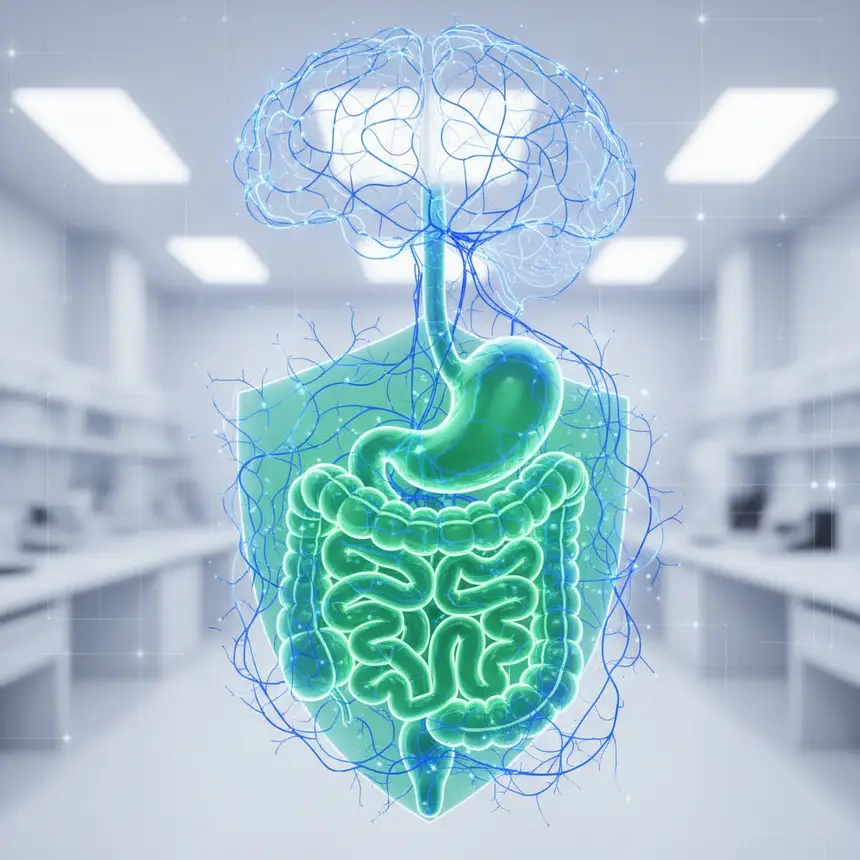
Infancy is a period of incredible growth and rapid development. Particularly in the first few months of life, a baby's gut health plays a pivotal role, extending far beyond simple digestion to influence their future health. During this crucial time, the infant gut establishes the foundation of the immune system, acts as a protective barrier against external elements, and can even impact the development of certain allergic tendencies. Furthermore, research increasingly highlights the intricate connection between the gut and the brain, suggesting that a healthy gut environment can positively influence brain development.
Common signs of digestive discomfort in infants include:
Since babies cannot articulate their discomfort, it's essential for parents to carefully observe these subtle signs and respond appropriately. An immature digestive system is highly sensitive to even minor changes, underscoring the need for attentive care from the very beginning.
Common signs of digestive discomfort in infants include:
- A significant decrease in the frequency of bowel movements (e.g., from 1-2 times daily to less than 3-4 times a week).
- Stools that are hard, pellet-like, or difficult to pass.
- Your baby straining, crying, or showing obvious discomfort during bowel movements.
- A visibly distended or firm abdomen when touched.
Since babies cannot articulate their discomfort, it's essential for parents to carefully observe these subtle signs and respond appropriately. An immature digestive system is highly sensitive to even minor changes, underscoring the need for attentive care from the very beginning.
※ This post contains affiliate links. I may earn a commission at no extra cost to you.

H2. A Holistic Approach to Easing Infant Digestive Discomfort
To support your baby's gut health and alleviate digestive discomfort, it's often more effective to adopt a multi-faceted approach rather than focusing on a single solution. A harmonious blend of nutrition, lifestyle habits, and gentle physical activity can significantly contribute to a stronger, healthier gut for your little one.
1. Balanced Nutritional Intake:
2. Appropriate Physical Activity:
3. Ample Rest:
1. Balanced Nutritional Intake:
- Beneficial Bacteria and Their Fuel: Probiotics, the good bacteria in the gut, are essential for digestion and overall gut health. For these beneficial bacteria to thrive and colonize effectively, they need a food source—prebiotics. Prebiotics nourish probiotics, helping to create a healthier gut environment.
- Diverse Essential Nutrients: Vitamins D, calcium, and Omega-3 are vital not only for gut health but also for your baby's overall growth and development. Adequate supply of these nutrients ensures optimal bodily functions.
- Hydration and Fiber: For babies who have started solids, ensuring sufficient water intake and offering fiber-rich foods like fruits and vegetables can aid bowel regularity. Breastfed or formula-fed babies may also benefit from additional water if recommended by their pediatrician.
2. Appropriate Physical Activity:
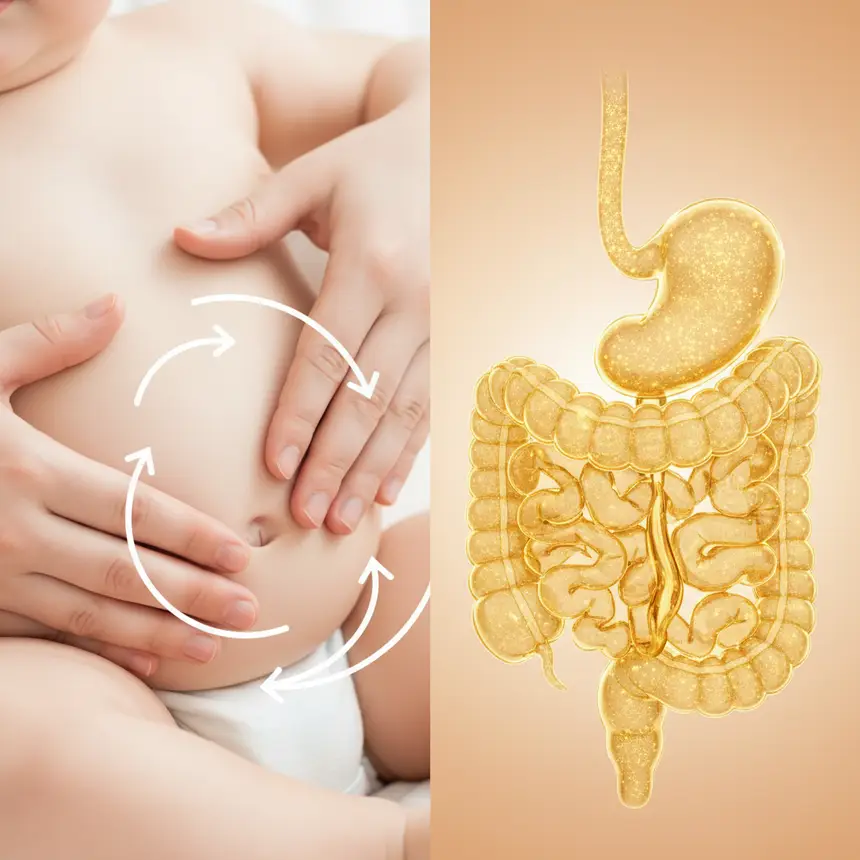
- Baby Massage: Gently massaging your baby's tummy in a clockwise direction can stimulate bowel movements and help release trapped gas.
- Leg Exercises: Moving your baby's legs in a bicycle motion provides gentle pressure on the abdomen, which can encourage bowel activity.
3. Ample Rest:
- Adequate sleep and peaceful rest are crucial for the recovery of all bodily systems, including digestive function, positively impacting gut health.

H2. Smart Choices and Consistent Practices for a Happy Tummy
For parents seeking practical ways to support their baby's gut health, here are some guidelines. While the market is flooded with various supplements and baby products, discerning what's best for your unique child is key.
1. Considerations When Choosing Nutritional Supplements:
2. Everyday Practice Tips:
These efforts may not yield dramatic changes overnight but aim for gradual improvements in your baby's gut health over time. Patience and keen observation of your child's progress are essential.
1. Considerations When Choosing Nutritional Supplements:
- Probiotics and Prebiotics Combination: Look for products that combine both to promote synergy, aiding in the establishment and activation of beneficial gut bacteria.
- Inclusion of Diverse Nutrients: If a supplement also contains other essential nutrients like Vitamin D, calcium, or Omega-3 vital for growth and development, it can simplify your routine by reducing the need for multiple separate supplements.
- Digestive Ease: Opt for products designed with an infant's immature digestive system in mind, such as those with low lactose content or formulations specifically tailored for babies.
2. Everyday Practice Tips:
- Regular Tummy Massages: Incorporate gentle, clockwise tummy massages around your baby's navel into your daily routine, perhaps morning and evening.
- Burping After Feedings: Always ensure your baby has ample time to burp after feeding to release swallowed air.
- Establishing a Bowel Routine: Creating a consistent and calm environment for your baby to have bowel movements can be very helpful.
- Adequate Hydration: Make sure your baby gets enough fluids in an age-appropriate manner.
These efforts may not yield dramatic changes overnight but aim for gradual improvements in your baby's gut health over time. Patience and keen observation of your child's progress are essential.

H2. Your Baby's Happy Smile: A Parent's Greatest Reward
A baby's digestive discomfort can be a significant source of stress in parenting. Witnessing your baby sleep peacefully, smile brightly, and engage in an energetic day is undoubtedly every parent's greatest desire. Fostering a healthy gut environment for your baby is a crucial first step towards achieving this happy daily life. Consistent attention, coupled with informed and wise choices, can bring comfort to your baby's little tummy, which in turn will light up their face with a bright smile.
The journey toward your child's gut health requires patience and love. We hope the various pieces of information and practical tips shared today empower you to be a strong pillar of support for your child's healthy development. We wish you and your little one a journey filled with healthy growth and joyful parenting.
The journey toward your child's gut health requires patience and love. We hope the various pieces of information and practical tips shared today empower you to be a strong pillar of support for your child's healthy development. We wish you and your little one a journey filled with healthy growth and joyful parenting.
Frequently Asked Questions
Q. How common is constipation in infants?
A. Digestive issues like constipation or diarrhea can be relatively common in infants due to their immature digestive systems. Since bowel habits vary among babies, it's important to closely observe changes in your baby's stool frequency and texture from their usual patterns.
Q. What lifestyle habits can help with infant constipation?
A. Ensuring adequate hydration, performing gentle tummy massages, engaging in light physical activity like 'bicycle kicks' with their legs, and for babies on solids, offering fiber-rich fruits and vegetables can be helpful. Establishing a regular bowel routine is also beneficial.
Q. Is it important to consume both probiotics and prebiotics?
A. Yes, probiotics introduce beneficial bacteria to the gut, while prebiotics act as food to help these beneficial bacteria grow. Consuming both together can create a synergistic effect, allowing beneficial gut bacteria to establish themselves more effectively and thrive, thus enhancing gut health.
Q. When should I seek professional help if my baby shows signs of digestive discomfort?
A. If your baby experiences severe abdominal pain, accompanied by symptoms like vomiting, fever, or loss of appetite, or if constipation persists or worsens despite home remedies, it's crucial to consult a pediatrician for an accurate diagnosis and appropriate advice.