Learn how to easily prepare nutrient-packed baby food ingredient cubes for your 9-month-old, enough for two weeks! Discover practical tips for busy parents to manage their baby's diet efficiently.

Smart Feeding for Your 9-Month-Old: The Benefits of Pre-Prepped Baby Food Cubes
As your baby reaches nine months, their nutritional needs expand rapidly to support their incredible growth and development. Providing a balanced diet during this crucial stage is essential. However, the daily task of preparing fresh ingredients can feel overwhelming for many parents. This is where the magic of 'baby food ingredient cubes' comes in. By preparing and portioning ingredients in advance, you not only save precious time but also ensure your baby consistently receives diverse and nutrient-dense meals. These pre-made cubes make mealtime a breeze, even on the busiest mornings, reducing parental stress and offering your baby fresh flavors at every meal. Ultimately, this practice lays a solid foundation for optimal nutrient intake and healthy development.
Crafting Wholesome Meals: Ideal Ingredients and Cooking Methods for 9-Month-Olds
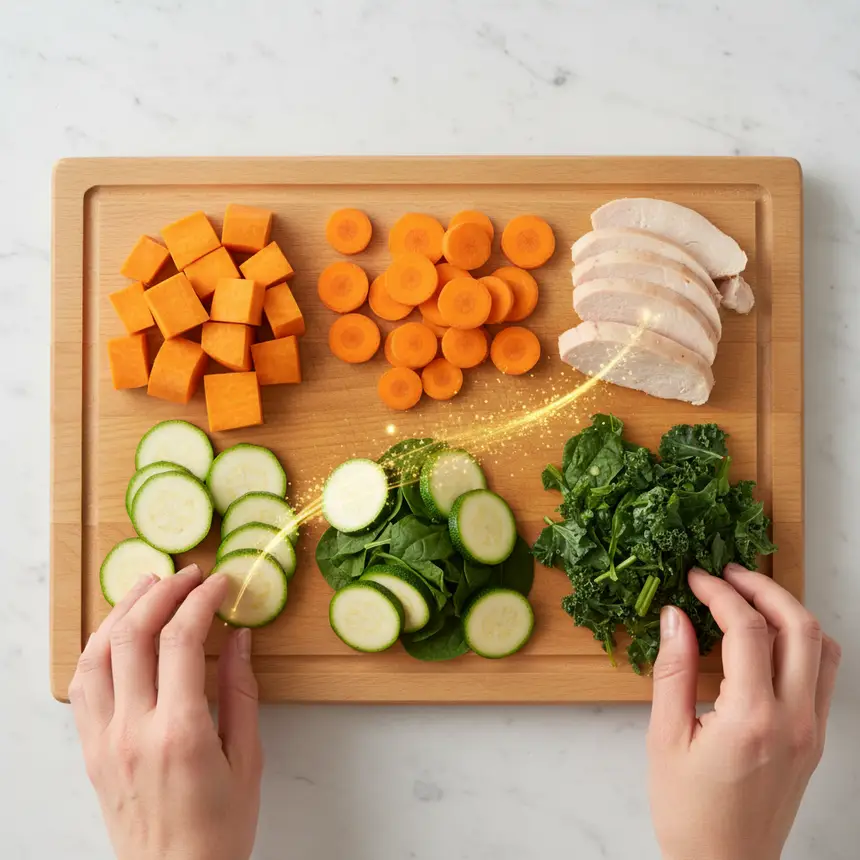
Nine-month-old babies are exploring a wider range of tastes and textures, making it an ideal time to introduce a variety of ingredients for comprehensive nutrition. At this stage, it's beneficial to include soft protein sources (like chicken tenderloin or lean beef), vitamin- and mineral-rich vegetables (such as carrots, zucchini, butternut squash, potatoes, mushrooms, and spinach), and easy-to-digest grains. When selecting ingredients, always opt for fresh, seasonal produce. Gentle cooking methods that preserve nutrients are recommended, primarily steaming or boiling. Adjust cooking times based on the ingredient's texture—softer vegetables require less time, while firmer root vegetables need more thorough cooking. After cooking, mash or finely chop the ingredients to a consistency suitable for your baby's chewing and swallowing abilities.
※ This post contains affiliate links. I may earn a commission at no extra cost to you.

Your Step-by-Step Guide to Making 2 Weeks of Baby Food Cubes
Batch preparing baby food ingredient cubes might seem like a big task, but it's surprisingly simple. Follow these steps, and a couple of hours on the weekend can significantly ease your meal prep burden for the next two weeks.
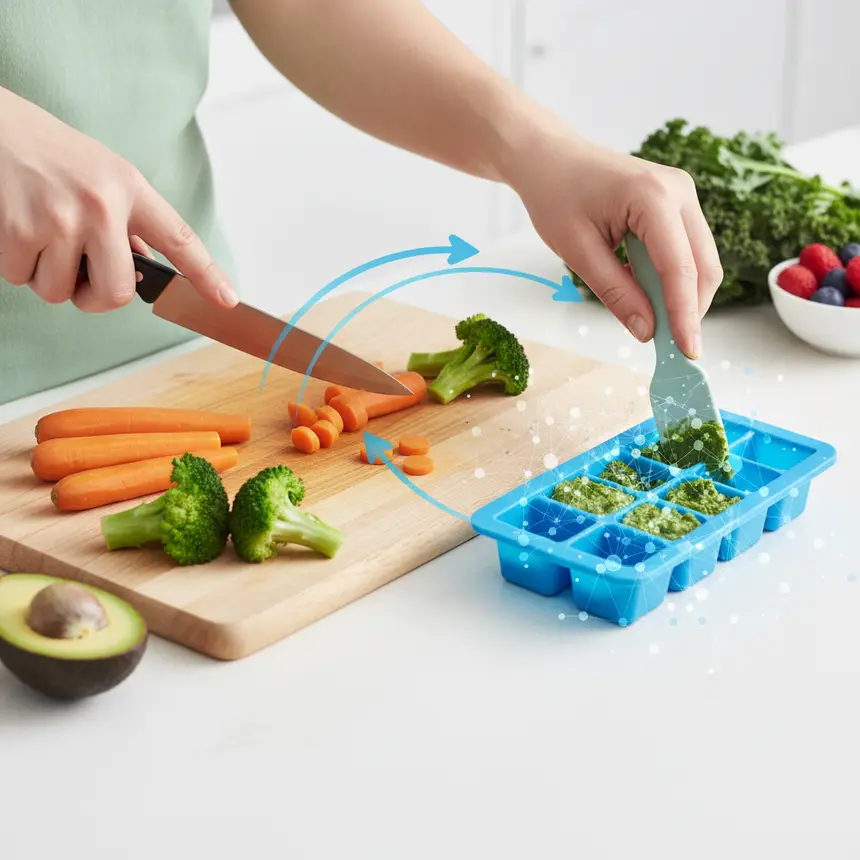
- 1. Select and Prep Ingredients: Based on your meal plan, gather a variety of vegetables and protein sources. Wash all ingredients thoroughly. Peel vegetables and cut them into small, manageable pieces that are easy to mash or blend. Proteins like chicken breast should be cooked, then finely shredded or minced.
- 2. Cook Individually: Steam or boil each ingredient, considering its unique cooking time. Start with longer-cooking items like potatoes, then move to delicate leafy greens that only need a quick blanch. Cooking in order of cooking time, from quickest to slowest, improves efficiency.
- 3. Adjust Texture: Mash or finely chop the cooked ingredients to the appropriate texture for your baby's age. At 9 months, babies are starting to get used to slightly lumpy textures, so avoid pureeing everything too smoothly. A bit of texture encourages chewing development.
- 4. Portion and Freeze: Spoon the prepared ingredients into silicone cube trays, portioning for single servings. Allow them to cool completely before freezing. Once solid, transfer the cubes to airtight containers or freezer bags, labeling them with the contents and date for easy tracking.
Prioritizing Hygiene, Safety, and Dietary Considerations for Your 9-Month-Old
When preparing baby food, hygiene and safety are paramount. Always wash all ingredients thoroughly under running water, and ensure all cooking utensils (cutting boards, knives, containers) are properly sanitized. Cooked baby food should be cooled completely before freezing. When reheating, only take out the amount needed and warm it in a microwave or saucepan. Never refreeze thawed baby food, and discard any leftovers immediately for safety.
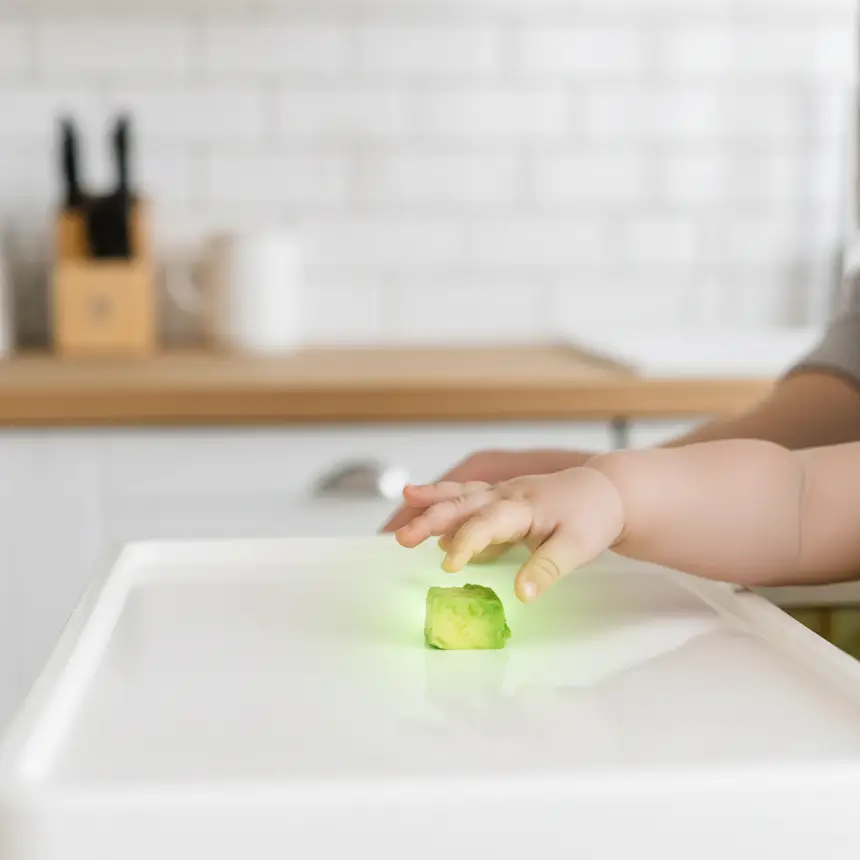
For 9-month-olds, introduce new ingredients one at a time, closely monitoring for any allergic reactions. This is also a great time to introduce finger foods, encouraging self-feeding and developing fine motor skills. Adjust the quantity and variety of food according to your baby's digestion and appetite, always observing their cues. The goal is to create an enjoyable and nurturing mealtime experience.
For 9-month-olds, introduce new ingredients one at a time, closely monitoring for any allergic reactions. This is also a great time to introduce finger foods, encouraging self-feeding and developing fine motor skills. Adjust the quantity and variety of food according to your baby's digestion and appetite, always observing their cues. The goal is to create an enjoyable and nurturing mealtime experience.
Frequently Asked Questions
Q. How often should I introduce new baby food ingredients to my 9-month-old?
A. When introducing new foods to a 9-month-old, it's best to introduce one new ingredient at a time, waiting about 3-5 days between each new food. This allows you to identify any potential allergic reactions and gives your baby time to adapt to new tastes and textures.
Q. How long can I safely store frozen homemade baby food cubes?
A. Homemade baby food cubes are generally recommended to be stored in the freezer for about 1 to 2 weeks. To maintain freshness and minimize nutrient loss, it's best to use them as soon as possible. Always use airtight containers and label them with the date when freezing.
Q. What's the ideal texture for baby food for a 9-month-old?
A. At 9 months, babies start developing the ability to mash and chew soft foods with their gums. Therefore, a texture with small, soft lumps or finely chopped pieces is appropriate, rather than a completely smooth puree. This helps to develop their chewing skills.
Q. Can I use the cooking water from steaming or boiling vegetables in baby food?
A. Yes, the water left over from steaming or boiling vegetables and meats is often rich in nutrients. It can be used to adjust the consistency of purees or when cooking rice for your baby, provided it's plain water without any added seasonings.