Confused about distinguishing between baby heat rash and roseola? This guide details the causes, symptoms, proper home care, and crucial times to visit the pediatrician for both common infant rashes. Get informed parenting advice for your baby's skin health.

Common Infant Rashes: Early Identification for Your Baby's Comfort
From newborns to toddlers, babies often experience various skin changes. Among these, red skin rashes are a common source of concern for parents. While conditions like heat rash and roseola might look similar at first glance, their origins and developmental patterns are quite different. Accurately distinguishing between them is crucial for maintaining your baby's comfort and alleviating unnecessary parental anxiety. Timely and informed responses based on accurate information are the first step in minimizing discomfort for your child and empowering you as a parent. In this guide, we'll clearly differentiate between these two common infant rashes and explore appropriate management strategies for each.
Heat Rash vs. Roseola: Key Differences in Causes and Symptoms
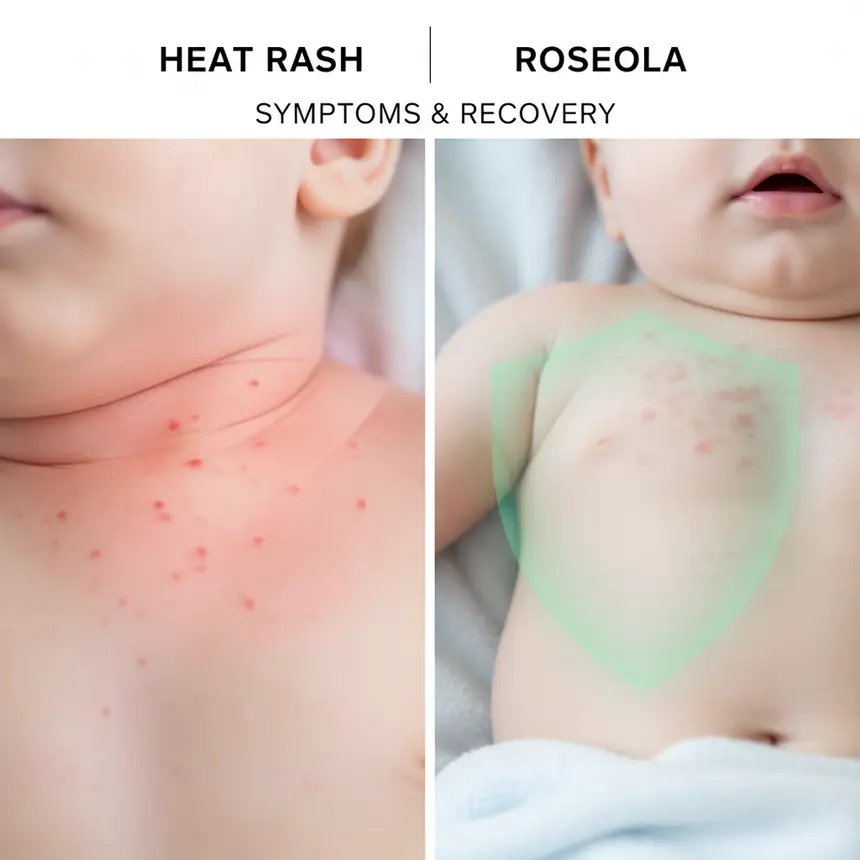
To understand the red rashes appearing on your baby's skin, it's essential to first grasp the underlying cause of each. Heat rash, also known as miliaria or prickly heat, primarily occurs when a baby is exposed to warm and humid environments for extended periods, leading to blocked sweat ducts. It typically appears as small red bumps in skin folds like the neck, back, armpits, and groin, and usually does not accompany a high fever. This type of rash tends to improve relatively quickly once the baby is moved to a cooler environment.
In contrast, roseola infantum is a viral illness caused by human herpesvirus 6 (HHV-6) or 7 (HHV-7). It is commonly observed in infants between 6 and 24 months of age and its characteristics are distinctly different from heat rash. Roseola is typically characterized by 3 to 5 days of high fever, reaching 102-104°F (39-40°C), followed by the appearance of a light pink, spotty rash that starts on the torso and spreads to the neck, face, and limbs after the fever subsides. While your baby might feel unwell during the fever phase, their general demeanor often improves as the fever breaks and the rash appears. Therefore, the presence and pattern of fever are the most critical clues for differentiating between these two types of rashes, rather than just the appearance of the rash itself.
In contrast, roseola infantum is a viral illness caused by human herpesvirus 6 (HHV-6) or 7 (HHV-7). It is commonly observed in infants between 6 and 24 months of age and its characteristics are distinctly different from heat rash. Roseola is typically characterized by 3 to 5 days of high fever, reaching 102-104°F (39-40°C), followed by the appearance of a light pink, spotty rash that starts on the torso and spreads to the neck, face, and limbs after the fever subsides. While your baby might feel unwell during the fever phase, their general demeanor often improves as the fever breaks and the rash appears. Therefore, the presence and pattern of fever are the most critical clues for differentiating between these two types of rashes, rather than just the appearance of the rash itself.
※ This post contains affiliate links. I may earn a commission at no extra cost to you.

Practical Home Management Strategies for Your Baby's Rash
When a rash appears on your baby, how should you care for them at home? The management approach varies depending on the type of rash:
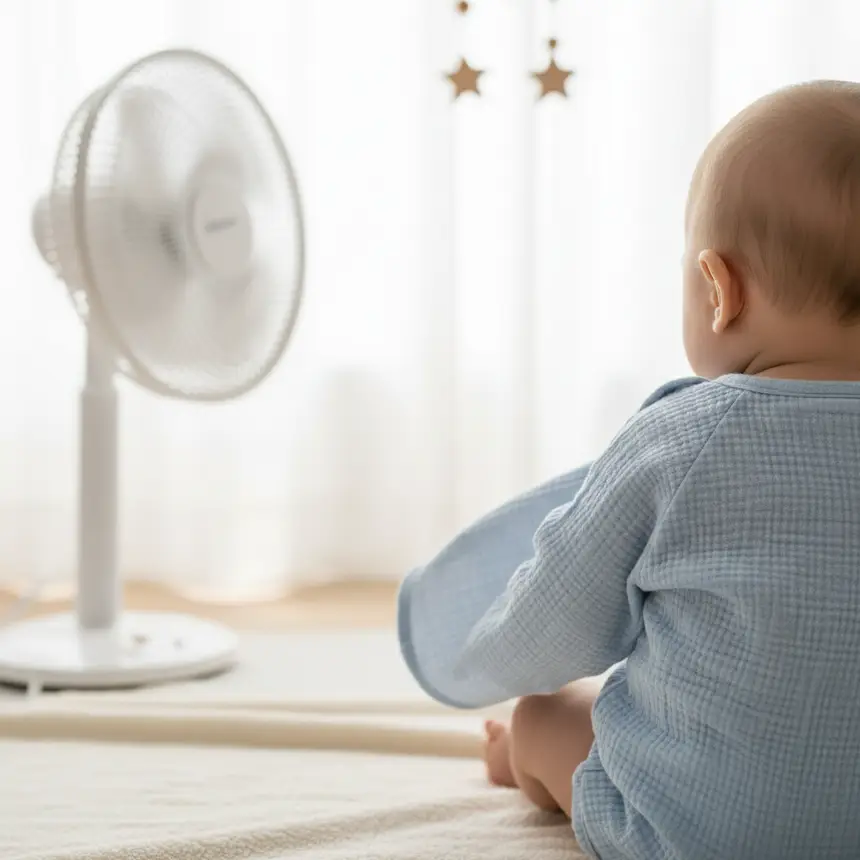
- Managing Heat Rash: The most important step is to ensure your baby stays in a cool, comfortable environment. Maintain an appropriate indoor temperature and dress your child in thin, breathable cotton clothing. If your baby sweats a lot, gently pat the skin dry with a soft cloth and keep the skin clean and dry. It's advisable to avoid powders or oils, as they can further block sweat ducts and worsen the condition. A quick bath with lukewarm water followed by thorough drying can also be beneficial.
- Managing Roseola: Roseola is a viral illness, so specific drug treatment is rarely necessary. The focus is primarily on symptomatic relief to keep your baby comfortable during the fever phase. Ensure adequate fluid intake to prevent dehydration and maintain appropriate indoor humidity to help your baby rest comfortably. For persistent high fever, you may use a pediatrician-recommended dose of fever reducer after consulting with your pediatrician to alleviate your baby's discomfort. The rash that appears after the fever typically resolves on its own within a few days, so there's usually no need for significant concern.

When to Seek Professional Help: Recognizing the Need for a Doctor's Visit
While most baby rashes improve with appropriate home care, it's crucial to seek medical attention without delay if certain symptoms appear. You should visit a pediatrician for an accurate diagnosis and guidance if any of the following situations apply:
Your careful observation and parental intuition are vital in protecting your child's health. Pay close attention to changes in your baby's condition, and do not hesitate to seek professional medical advice if you notice any concerning symptoms. It is always the safest and wisest approach.
- High fever above 102°F (39°C) persists for more than 3 days.
- Your baby remains unusually lethargic or listless even after the fever has subsided.
- Your baby refuses to drink fluids (water, formula, breast milk) and has significantly reduced urine output.
- Your baby experiences seizures or has difficulty breathing.
- Your baby is unusually irritable or inconsolable.
- The rash turns purple or does not fade when pressed.
- Blisters or pus appear on the rash areas.
Your careful observation and parental intuition are vital in protecting your child's health. Pay close attention to changes in your baby's condition, and do not hesitate to seek professional medical advice if you notice any concerning symptoms. It is always the safest and wisest approach.
Frequently Asked Questions
Q. Can I use powder when my baby has heat rash?
A. Generally, using powder for heat rash (miliaria) is not recommended. Powder particles can block sweat glands, potentially worsening the condition or causing skin irritation. Instead, focus on keeping the environment cool and well-ventilated, and keeping the skin clean and dry.
Q. Is roseola contagious to other children?
A. Yes, roseola is a viral illness and can be contagious. It is most contagious during the fever phase, but can also be spread from the time the fever breaks until the rash fully appears. It's best to minimize contact with other children during this period and practice good hygiene.
Q. Besides heat rash and roseola, what other common rashes can babies get?
A. Infants can experience various skin rashes, including eczema (atopic dermatitis), diaper rash, and hives. Each rash has different causes and symptoms, so it's always best to consult a healthcare professional for an accurate diagnosis.
Q. How long does the rash from roseola typically last?
A. The rash from roseola usually appears after the fever subsides and lasts for about 1 to 3 days before naturally fading away. The rash itself is generally not itchy or painful and resolves without specific treatment.