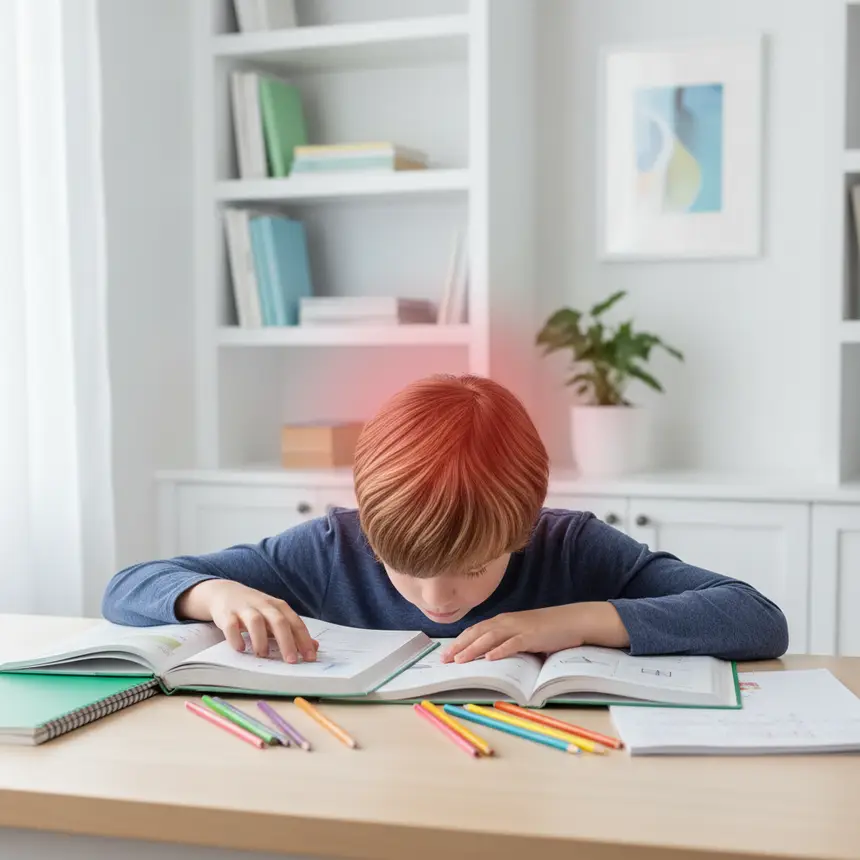
Discover effective strategies to boost your child's concentration through balanced early learning habits and child development education. Get practical parenting insights on combining play and structured learning, personalized approaches, and preparing for elementary school.

Cultivating Focus: How Joyful Learning Experiences Enhance Child Concentration
Children's ability to focus naturally blossoms when play and learning activities are harmonized. Around the age of six, kids experience significant cognitive growth, leading to a surge in curiosity for new information and experiences. Providing positive learning encounters during this crucial period can greatly boost their long-term motivation and engagement. Parents play a vital role in creating an environment and offering resources that spark their child's interest, encouraging independent exploration and a sense of absorption. The satisfaction a child gains from the learning process itself, rather than just the transmission of knowledge, is a powerful foundation for building concentration. Establishing a consistent routine of short, daily learning activities also fosters patience and perseverance, helping children unlock their full learning potential.

The Synergy of Play and Learning: Daily Routines to Build Lasting Focus
To effectively enhance a child's concentration, it's essential to strike a balance between play and structured learning in their daily routine. Ensuring ample time for active, outdoor play after school not only supports physical development but also positively impacts brain function. Engaging with peers through play naturally enhances social skills and problem-solving abilities. Following active play, it's beneficial to establish a consistent learning schedule. For instance, families might gather for reading or learning activities after dinner. Given a young child's typically short attention span, engaging in brief, focused activities—around 15 to 20 minutes—on a daily basis proves most effective.
Utilizing a variety of educational materials is also key. Combining traditional paper-based exercises with digital content can sustain a child's interest. For example, comprehensive learning resources covering subjects like language arts, math, and early literacy can prevent boredom. Activities such as singing songs, reading aloud, and game-based learning help children perceive learning as an enjoyable form of play. For language acquisition, consistent and frequent exposure through songs and picture books is crucial. Incorporating interactive card games can make learning new vocabulary and sentences fun, boosting their confidence.
Utilizing a variety of educational materials is also key. Combining traditional paper-based exercises with digital content can sustain a child's interest. For example, comprehensive learning resources covering subjects like language arts, math, and early literacy can prevent boredom. Activities such as singing songs, reading aloud, and game-based learning help children perceive learning as an enjoyable form of play. For language acquisition, consistent and frequent exposure through songs and picture books is crucial. Incorporating interactive card games can make learning new vocabulary and sentences fun, boosting their confidence.
※ This post contains affiliate links. I may earn a commission at no extra cost to you.


Personalized Learning and Phased Preparation: Nurturing a Child's Potential
A child's learning journey is most effective when it's tailored to their individual characteristics and developmental stage, rather than following a one-size-fits-all approach. If a child encounters difficulties during the learning process, prompt identification and adjustment are crucial. For example, if they struggle with a specific math concept, it's more beneficial to revisit earlier steps or explore alternative explanations rather than rushing to the next level. This personalized learning management empowers children to continue their learning journey without feeling frustrated.
Furthermore, preparing for elementary school during the preschool years significantly aids a child's adaptation to school life. Introducing elementary-level concepts through play can reduce apprehension about a new environment and build confidence. Starting around age 7, it's advisable to gradually introduce activities that align with elementary school curricula through leveled learning programs. Utilizing content that offers a glimpse into school life can help children explore future learning topics and spark their interest, enabling them to approach elementary education with greater enthusiasm and proactivity.
Furthermore, preparing for elementary school during the preschool years significantly aids a child's adaptation to school life. Introducing elementary-level concepts through play can reduce apprehension about a new environment and build confidence. Starting around age 7, it's advisable to gradually introduce activities that align with elementary school curricula through leveled learning programs. Utilizing content that offers a glimpse into school life can help children explore future learning topics and spark their interest, enabling them to approach elementary education with greater enthusiasm and proactivity.
Frequently Asked Questions
Q. What are the most effective ways to boost a young child's concentration?
A. To enhance a child's concentration, it's vital to provide a balanced mix of play and learning activities that genuinely interest them. Maintain a consistent, short daily learning session of 15-20 minutes, and use diverse educational materials like physical workbooks, digital content, and games to spark their curiosity. Incorporating learning after ample outdoor physical activity can also significantly improve focus.
Q. How should parents address concerns about a child's learning struggles?
A. If a child is struggling with learning, a rigid, forward-moving approach is less effective than a personalized one that matches their current developmental stage. Observe closely to pinpoint where they face difficulties. Flexible adjustments, such as reviewing previous concepts or explaining them differently, are crucial. Always offer positive encouragement to ensure the child doesn't feel overwhelmed or discouraged by learning.
Q. What kind of educational preparation is beneficial before a child starts elementary school?
A. Prior to elementary school, fostering a positive attitude towards learning and establishing basic learning habits are more important than mere advanced academics. Help children master foundational cognitive skills like recognizing letters, counting numbers, and simple English phrases through play. Encourage short periods of focused activity at a desk. Introducing content that offers a preview of school life or play activities linked to elementary curricula can also build excitement for their new environment.