Discover why growth plate stimulation, balance, and aerobic exercise are crucial for your child's healthy development. Learn detailed methods to foster physical development and foundational fitness through engaging activities.

H2. Addressing the Concerns of Modern Childhood: When Activity Levels Decline
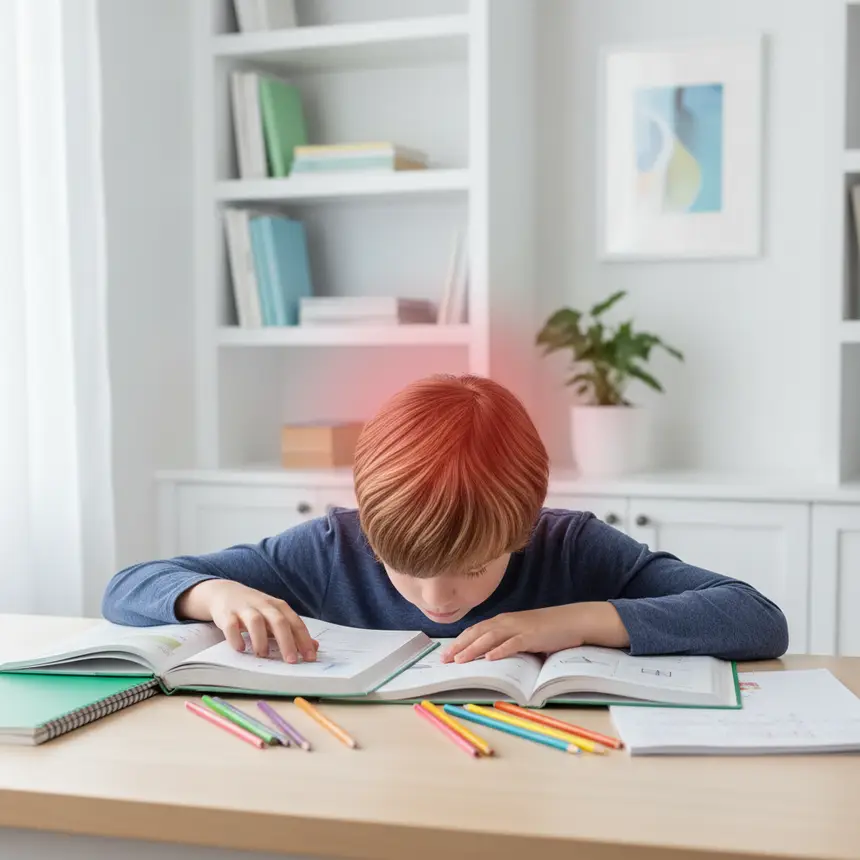
In today's fast-paced world, many children spend more time indoors and less time engaged in active play compared to previous generations. While digital devices offer endless entertainment, they often come at the cost of physical movement, leading to worries among parents about their children's overall development. A decrease in active playtime can manifest as poor posture, frequent fatigue, and even concerns about achieving typical physical milestones, such as height, compared to peers. These challenges not only impact physical health but can also affect concentration and emotional well-being, prompting parents to seek effective strategies for their child's holistic growth.
- A sedentary lifestyle can hinder a child's gross motor skills and overall physical abilities.
- Reduced outdoor play may lead to weaker balance and diminished foundational fitness.
H2. Nurturing Childhood Development: A Holistic Approach to Growth Plates, Balance, and Aerobic Fitness
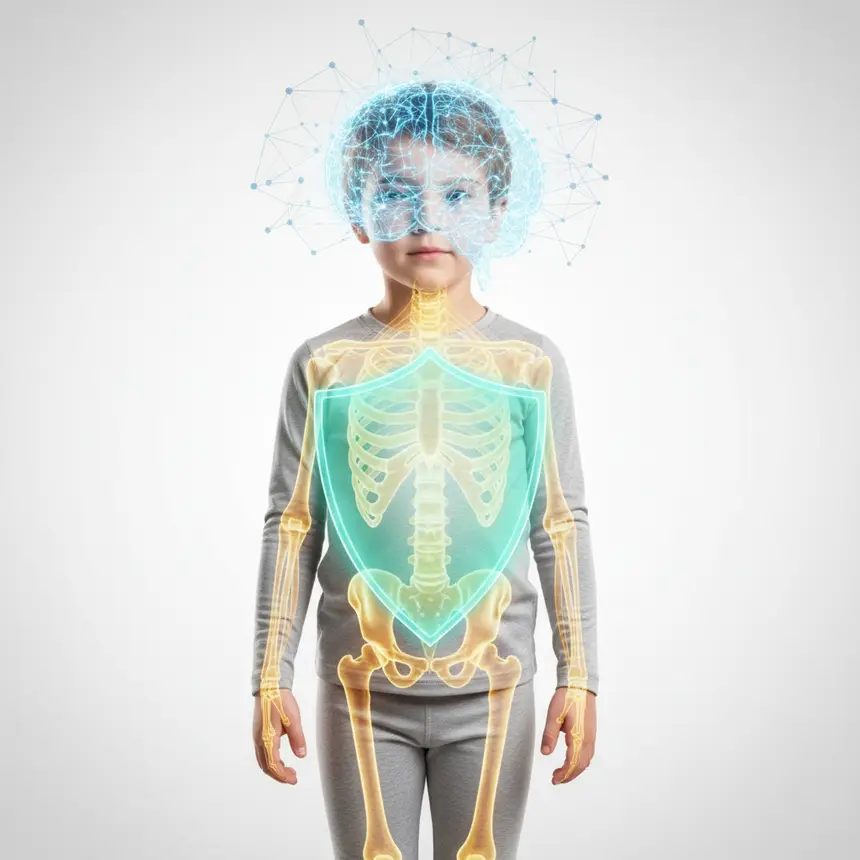
For children to grow up healthy and strong, it's not enough to simply focus on nutrition alone. A balanced regimen of physical activity is paramount. Specifically, stimulating growth plates, engaging in balance exercises, and incorporating aerobic activities play pivotal roles in early childhood physical development. When children jump, run, or engage in weight-bearing activities, the gentle impact and pressure on their bones provide positive stimulation to the growth plates, encouraging healthy bone length. Furthermore, activities that challenge equilibrium, such as standing on one foot or walking on a low beam, significantly enhance a child's balance and coordination, teaching them agility and reducing the risk of injuries from falls.
- Structured and unstructured physical play boosts cardiovascular health and strengthens lung capacity, building a solid foundation of physical fitness. Activities like running games, jumping rope, or dancing to music are excellent aerobic exercises, and encouraging children to enjoy these as play is key.
- Nutritionally, ensure your child consumes a diet rich in Vitamin D and calcium, along with quality protein and a variety of vegetables to support bone and muscle development.
- Adequate sleep is crucial for the release of growth hormones. Establishing a consistent bedtime and wake-up routine can significantly support this natural process.
- Encourage daily outdoor play or sun exposure. This not only aids in Vitamin D synthesis but also provides fresh air and a natural way to de-stress, contributing to overall well-being.
※ This post contains affiliate links. I may earn a commission at no extra cost to you.

H2. Consistent Action: Paving the Way for a Child's Healthy Future
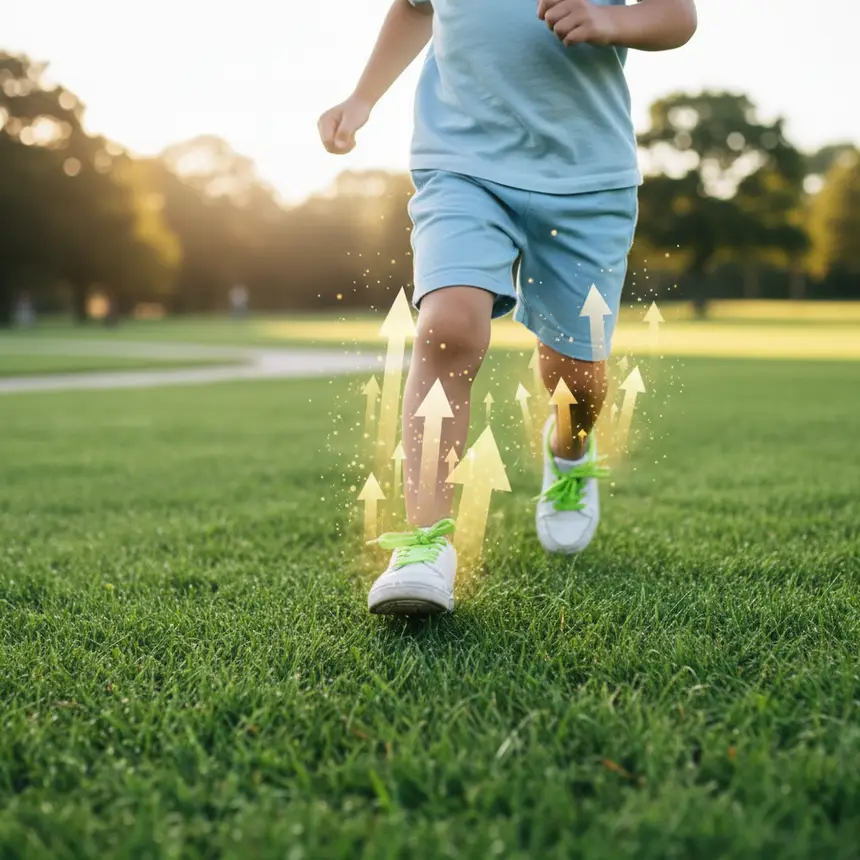
A child's healthy development is a continuous journey, not a one-time event. It requires creating an environment that encourages consistent physical activity and helping children discover the joy of movement for themselves. Through diverse physical play and structured activities, you can simultaneously stimulate growth plates, improve balance, and enhance aerobic capacity. The key is to make physical activity feel like play, integrating it naturally into their daily routine by focusing on what your child finds engaging.
- Instead of rushing the process, choose activities that are appropriate for your child's age and developmental stage.
- Always prioritize safety during activities and offer support to ensure they perform movements with proper form.
- Shower them with praise and encouragement for their efforts. A positive and supportive atmosphere, rather than one of strict demands, will motivate children to participate more enthusiastically in physical activities.
Frequently Asked Questions
Q. What are the most effective exercises for stimulating a child's growth plates?
A. Exercises that involve impact and weight-bearing are highly effective, such as jumping, running, and jumping rope. These activities help activate growth plate cells and contribute positively to bone lengthening. Sports like basketball or badminton, which involve a lot of jumping, are also beneficial.
Q. Why is developing balance crucial for young children?
A. Balance is a fundamental skill that allows children to control their bodies effectively and prevent falls. It's vital not only for improving athletic ability but also for preventing injuries in unexpected situations. Furthermore, it's closely linked to brain development, contributing to enhanced cognitive functions.
Q. Does aerobic exercise directly impact a child's height growth?
A. While aerobic exercise doesn't directly increase height, it optimizes the conditions for healthy growth. It strengthens the cardiovascular system, improves overall blood circulation, and promotes deeper sleep, which in turn boosts growth hormone secretion. So, it indirectly supports healthy height development.
Q. What should parents do if their child dislikes physical activity?
A. Instead of forcing them, try to discover activities your child might find interesting together. Share positive experiences with their favorite games or sports, and encourage them to gain confidence through successful experiences. Simply letting them play freely with friends at a playground is also a great approach.
Q. Can I help my child's growth and development with indoor activities?
A. Yes, absolutely. Indoors, you can do stretching, follow simple yoga poses on a mat, or play games that involve jumping over obstacles. Balance boards and simple gymnastic movements are also great. The important thing is to keep your child actively moving and engaged.