A smart parenting guide for busy modern parents! Discover practical ways to support your child's healthy growth and development, and strengthen family bonds. Find tips to happily grow with your child amidst a complex daily life.

H2. Navigating Child Growth Amidst a Hectic Lifestyle
Parenting often feels like an endless stream of tasks. From organizing a new home and tackling mountains of laundry to managing school drop-offs and pickups, a parent's day can be relentlessly busy. Even with such demanding schedules, we strive to nurture our children's healthy development, celebrate their small academic triumphs, and cherish the simple joys of a family dinner. While it's clear that perfection is unattainable, the desire to provide the best environment for our children is a universal aspiration for all parents. This article explores intelligent parenting methods that support a child's holistic development and deepen family connections, even within the most complex daily routines.
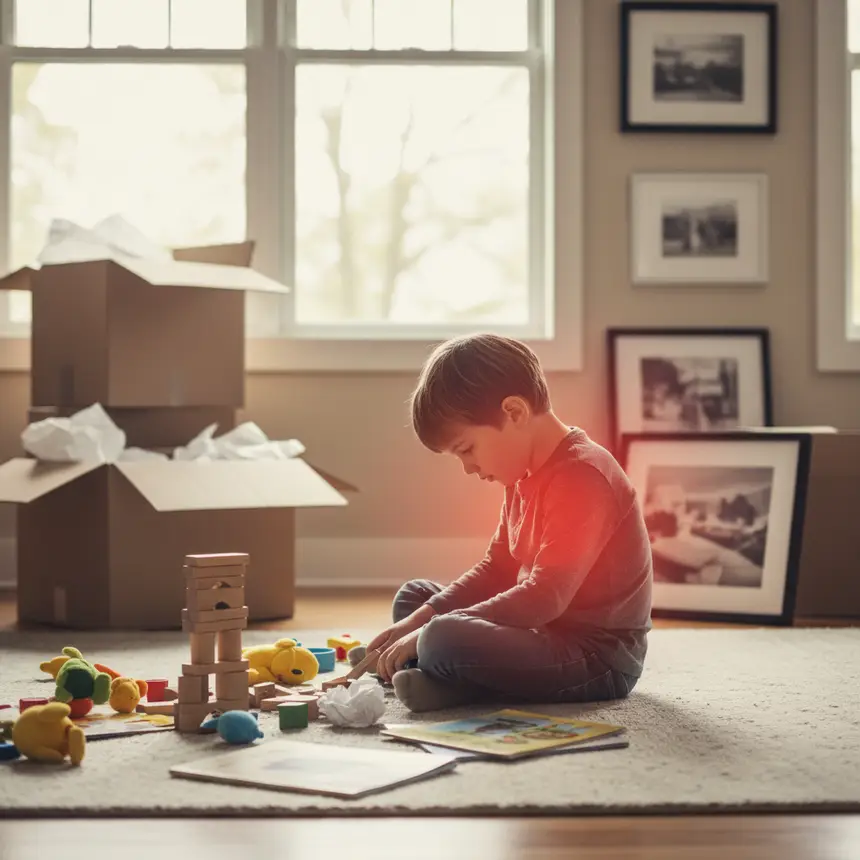
H2. Understanding the Impact of Busy Schedules on Child Development
A parent's constantly bustling lifestyle can have both direct and indirect effects on a child. For instance, sudden changes in the home environment or prolonged disorganization can lead to emotional insecurity or a loss of stability for children. Furthermore, if parents are too busy, reducing the time spent interacting with their child, this can significantly impact the child's language and social development. Irregular meal times or insufficient sleep can hinder physical growth, and a lack of positive reinforcement for small daily achievements can negatively affect a child's learning motivation and self-esteem. While busy parental schedules may be unavoidable, a thoughtful approach that considers the child's developmental stage is crucial.
※ This post contains affiliate links. I may earn a commission at no extra cost to you.


H2. Nutrition, Play, and Learning: Supporting Balanced Development
Even with a packed schedule, it's essential to provide balanced nutrition, ample physical activity, and engaging learning experiences for your child's healthy growth. For nutrition, consider simple, one-bowl meals using fresh seasonal vegetables and protein-rich foods, rather than complex cooking. For example, colorful stir-fried rice with various vegetables or nutrient-packed sandwiches can save time while providing necessary nutrients. For physical activity, short bursts of play at a nearby park or indoor games that encourage movement are beneficial. Just as you'd celebrate a child passing an exam, genuinely cheering for small achievements significantly boosts their learning motivation. Encourage your child to take the lead in learning and accomplishing tasks frequently.

H2. Smart Parental Time Management and Practical Strategies
For busy parents, time management isn't just about scheduling; it's an investment in precious moments with your child. Try to establish and commit to a 'golden hour' within your daily routine where you can fully connect with your child. For example, dinner time can become a vital moment for the family to share about their day. It doesn't have to be extravagant, like the diary's note about grilling meat; simply conversing together during meals greatly contributes to a child's emotional development and strengthens family bonds. Moreover, easing parental burden by dividing household chores or automating tasks is a smart approach. Using a dishwasher or online grocery shopping can save time, creating more opportunities to focus on your child. Consider changing up weekend routines – perhaps visiting a park instead of the supermarket – to create new experiences with your child.

H2. The Power of Small Changes: Raising Happy Children
Parenting is akin to a marathon; there's no need to perfect every moment like a sprint. What truly matters is the effort to provide a child with warm gazes, empathetic words, and a stable environment, even amidst a busy daily life. Rather than elaborate plans or expensive educational tools, a parent's consistent attention and love form the strongest foundation for a child's healthy growth and development. Today, whether it's 10 minutes of reading together, 20 minutes of active play, or a warm conversation at the dinner table, you will witness your child's remarkable growth. These small, consistent actions are the driving force behind raising brighter, happier children. We encourage you to start making small changes today and grow together with your child.
Frequently Asked Questions
Q. Can busy working parents still bond effectively with their children?
A. Absolutely! The quality of time, rather than the quantity, is key. Spending even 10-20 minutes a day fully focused on your child (e.g., drawing together, reading a bedtime story) can be highly effective. On weekends, create special experiences with short outdoor activities or cooking together.
Q. What are the best ways to help a child adapt to a new environment?
A. Reducing anxiety about the new environment is crucial. When there are changes like moving or switching schools, talk to your child beforehand and explain the positive aspects of the new setting. Keep familiar items or toys nearby to provide a sense of security, and empathetically acknowledge and support your child's feelings.
Q. How should I encourage my child's academic achievements?
A. It's important to praise the effort and process, not just the outcome. When your child sets and achieves small goals, celebrate genuinely. Specific compliments like, 'You worked so hard!' or 'It's wonderful how you didn't give up!' build confidence and learning motivation. Also, reassure them that it's okay to make mistakes, encouraging them to try again.
Q. How can I ensure nutritional balance for a picky eater?
A. For picky eaters, engaging their interest is more effective than force. Try new recipes by combining ingredients your child likes with those they dislike. For example, finely chop disliked vegetables and add them to fried rice or rice balls, or make mealtime fun by arranging food in appealing shapes. Aim to include a variety of colorful fruits and vegetables in their diet.
Q. How can I reduce screen time and spend more time with my child?
A. Parents setting an example is crucial. Establish rules to put away phones during family time. Instead of screens, prepare alternative activities you can do together, such as board games, reading, or crafts, and encourage your child's active participation. Outdoor activities are also an effective way to naturally reduce media exposure.