Struggling with sensitive, dry baby skin? Discover the importance of a strong skin barrier, how to choose the right infant moisturizer, and effective skincare routines for your little one.

Post-Bath Dryness: A Common Parent's Concern
Welcoming a newborn into the world is a joyous occasion, often accompanied by a unique set of parenting concerns. One of the first challenges many parents encounter is the surprising speed at which their baby's delicate skin can dry out, particularly right after a warm, gentle bath. Even after carefully patting them dry with a soft towel, that wonderfully smooth baby skin can feel taut and parched almost instantly. While adults also experience post-shower dryness, an infant's skin is far more sensitive and prone to rapid moisture loss. This common experience quickly teaches parents that baby skincare isn't just about a momentary splash of hydration, but rather a consistent, meticulous daily routine. Ensuring your baby's comfort and healthy skin hinges on continuous and thoughtful moisturizing.

Beyond Just Dryness: Understanding Baby Skin's Vulnerability
Why Does Delicate Baby Skin Need Special Attention?
Unlike adult skin, an infant's skin barrier is still developing and immature. This delicate barrier is less effective at protecting against external irritants and more susceptible to losing vital moisture, leading to dryness and heightened sensitivity. More than just superficial dryness, the associated itchiness and discomfort can disrupt a baby's sleep and overall well-being. Many standard lotions might only offer temporary surface hydration, failing to provide the deep, lasting moisture that infant skin truly needs. During seasonal transitions or in dry winter months, skin can become noticeably rougher and flaky, underscoring the need for a more fundamental and intensive moisturizing approach. The key lies in nurturing the skin's inherent health, not just offering transient relief.
※ This post contains affiliate links. I may earn a commission at no extra cost to you.

The Core Principles of Effective Infant Moisturizing
The Secret to Deeply Nourished Skin
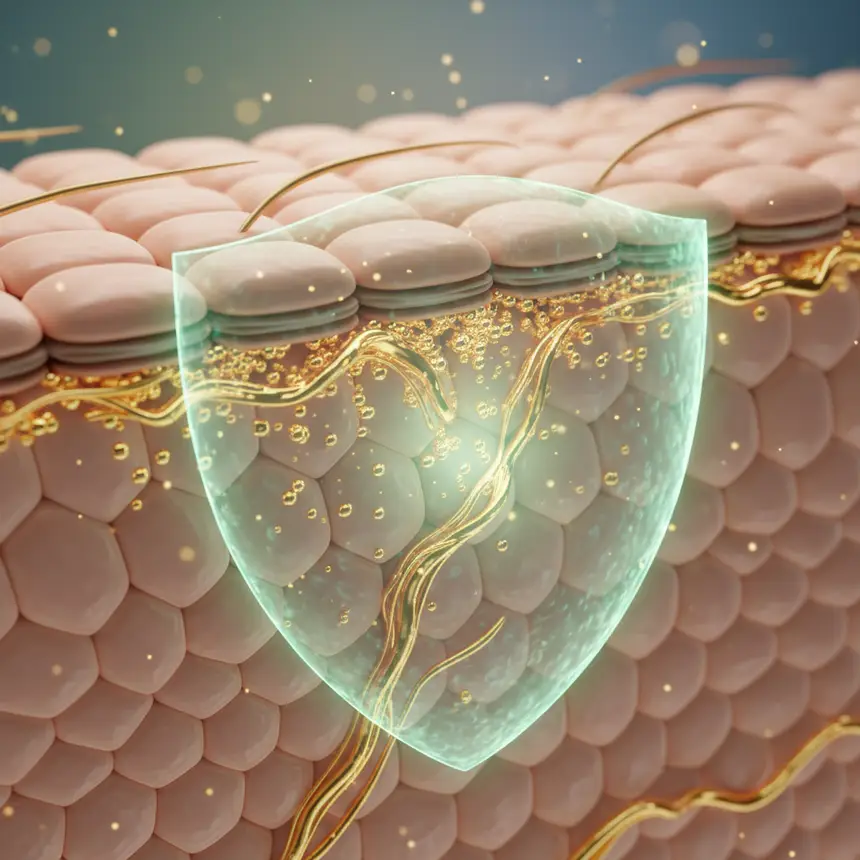
The most vital principle for maintaining healthy baby skin is strengthening its natural barrier. This skin barrier acts like a shield, protecting the body from environmental stressors and preventing moisture from evaporating. Crucial moisturizing ingredients, such as ceramides, play a significant role in fortifying this shield by meticulously filling in the gaps between skin cells. It's essential for various hydrating components to work together in a multi-layered, complex structure to effectively support the barrier's function.
Furthermore, it's beneficial to utilize advanced delivery systems that help active ingredients penetrate deeper into the skin, rather than just sitting on the surface. Micro-particle delivery mechanisms can ensure these beneficial compounds reach deeper skin layers, helping to maintain long-lasting hydration. This profound moisturization provides a comfortable, healthy radiance that feels deeply nourished, not merely shiny on the surface. A non-sticky, smooth-absorbing texture is also vital, ensuring comfort for your little one.

Implement an Optimal Skincare Routine for Your Baby
A Daily Routine for Lasting Skin Comfort
Consistent moisturizing is paramount for safeguarding your baby's skin health. Here are practical steps to establish an effective infant skincare routine:
- Observe the 3-Minute Golden Rule Post-Bath: The most effective time to apply moisturizer is immediately after a bath, while the skin is still damp and before it completely dries. This helps lock in the existing moisture, maximizing the hydrating effect.
- Apply Thoroughly to All Areas: Don't just focus on arms and legs. Be sure to carefully apply moisturizer to the neck, tummy, and especially to skin folds (like armpits, groin, and behind the knees). These areas are particularly vulnerable to friction and moisture, requiring extra care.
- Reapply as Needed: During dry seasons or when your baby's skin seems uncomfortable, feel free to reapply moisturizer multiple times a day. Choosing a formula that layers well without feeling sticky or pilling is crucial for comfort.
- Prioritize Gentle and Safe Ingredients: Since these products directly touch your baby's skin, it's important to select those made with mild, non-irritating ingredients. Products rich in natural emollients like plant-based oils can help nourish the skin and prevent moisture loss.

Healthy Skin: The Foundation of Your Baby's Well-being
Your baby's skin is far more than just a physical covering; it's a vital sensory organ that interacts with the environment and contributes significantly to their overall comfort. Healthy, well-hydrated skin helps your child sleep peacefully through the night and stay active and cheerful during the day. Conversely, dry, itchy skin can cause persistent discomfort, leading to fussiness and disrupting precious sleep.
Your attentive care and consistent moisturizing efforts are the most effective ways to maintain your baby's healthy skin. When choosing an infant moisturizer, keep four key criteria in mind: its hydrating power, pleasant texture, safe ingredients, and lasting effect. By using these standards to find the most suitable moisturizer for your child and applying it consistently, you'll positively impact not only your baby's skin but also the peaceful daily life of your entire family. Within the comfort that healthy skin provides, your child can grow and thrive even more brightly.
Your attentive care and consistent moisturizing efforts are the most effective ways to maintain your baby's healthy skin. When choosing an infant moisturizer, keep four key criteria in mind: its hydrating power, pleasant texture, safe ingredients, and lasting effect. By using these standards to find the most suitable moisturizer for your child and applying it consistently, you'll positively impact not only your baby's skin but also the peaceful daily life of your entire family. Within the comfort that healthy skin provides, your child can grow and thrive even more brightly.
Frequently Asked Questions
Q. Why is a baby's skin particularly prone to dryness?
A. A baby's skin barrier is still immature and thinner compared to adults, making it more vulnerable to external irritants and rapid moisture loss. This often leads to dryness and increased sensitivity.
Q. What's the best time to apply moisturizer for maximum effectiveness?
A. The most effective time to apply moisturizer is within the '3-minute golden window' after bathing, before the skin completely dries. This helps to lock in existing moisture, maximizing hydration.
Q. What types of ingredients should I look for in a baby moisturizer?
A. Look for ingredients that help strengthen the skin barrier, such as ceramides, and gentle plant-based oils. It's also important to ensure the product is free from common irritants and formulated for sensitive skin.
Q. My baby's skin still seems dry even after moisturizing. What should I do?
A. You might consider increasing the frequency of moisturizer application or trying a product with enhanced hydrating properties. Additionally, using a hydrating mist before applying moisturizer can boost its effectiveness.
Q. Is a non-sticky moisturizer better for babies?
A. Yes, a non-sticky moisturizer is generally preferred as it makes dressing easier and is more comfortable for the baby. Opt for products that provide excellent hydration without leaving a tacky residue.